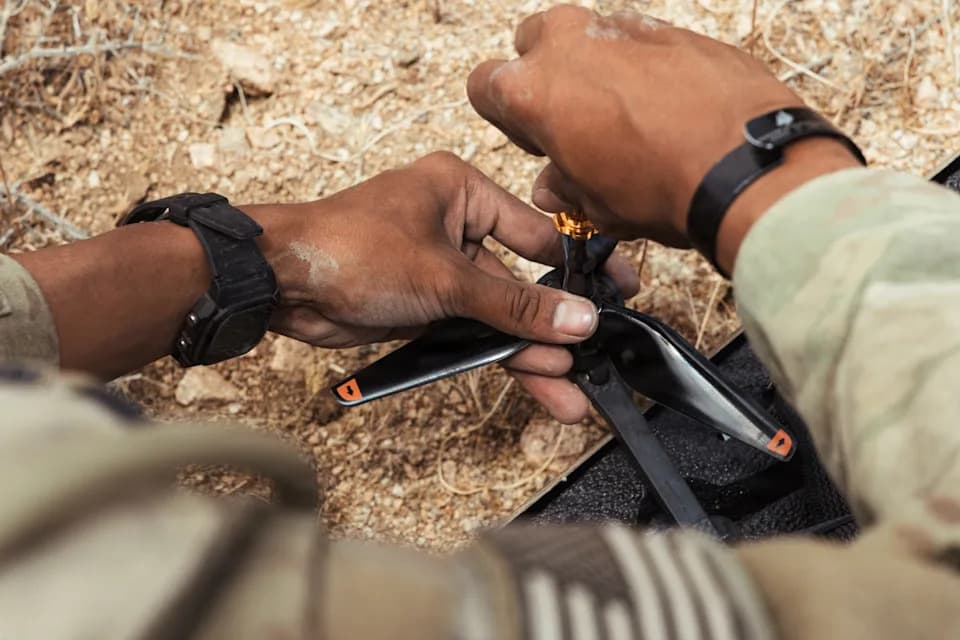
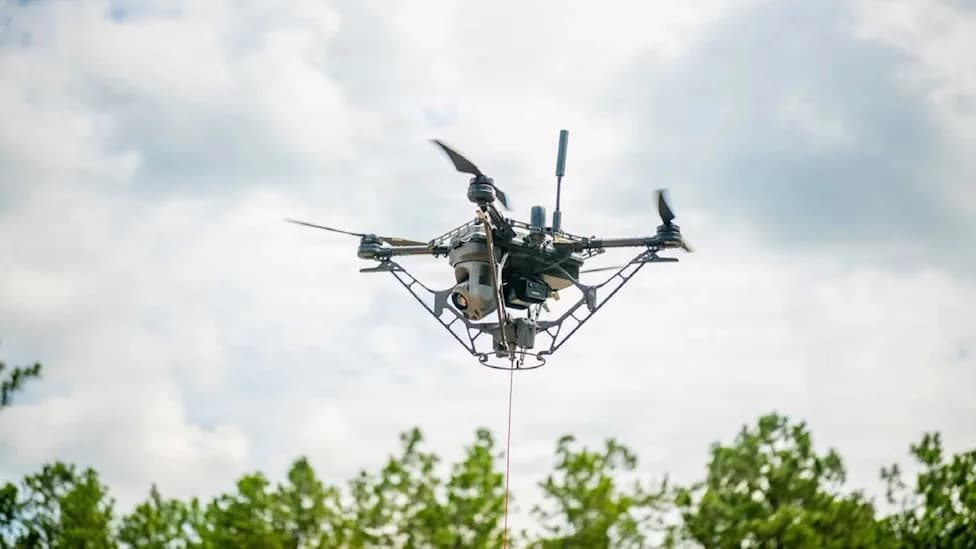
The U.S. Army conducted Scarlet Dragon 26-3 at Fort Bragg to test how large drone swarms—ranging from 25 to 100 drones—challenge current air defenses. Exercises included mothership launches, low-flying F11 Core units, Sentinel radars and AH-64 Apaches sharing a common air picture. Commanders said no single sensor is sufficient; an integrated, layered defense and AI-enabled prioritization are essential.
U.S. Army Stress-Tests Air Defenses With Massive Drone Swarms at Fort Bragg
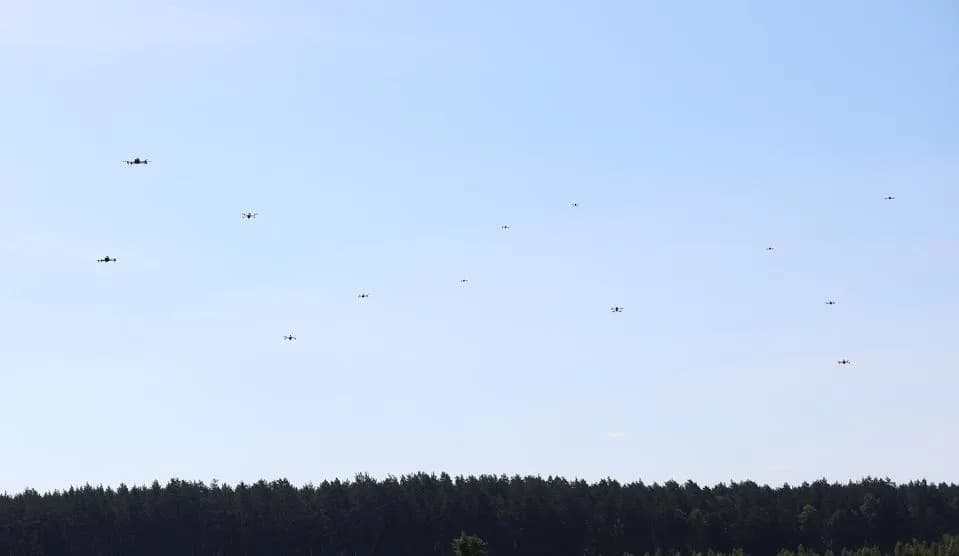
A swarm of drones flies in Europe during a NATO exercise. (Photo by Alius Koroliovas/Getty Images)Getty Images
The U.S. Army staged Scarlet Dragon 26-3 at Fort Bragg to evaluate how large, coordinated drone swarms challenge current air defenses. The exercise paired unmanned aircraft formations with attack helicopters and ground sensors to replicate high-pressure battlefield conditions.
Exercise Overview
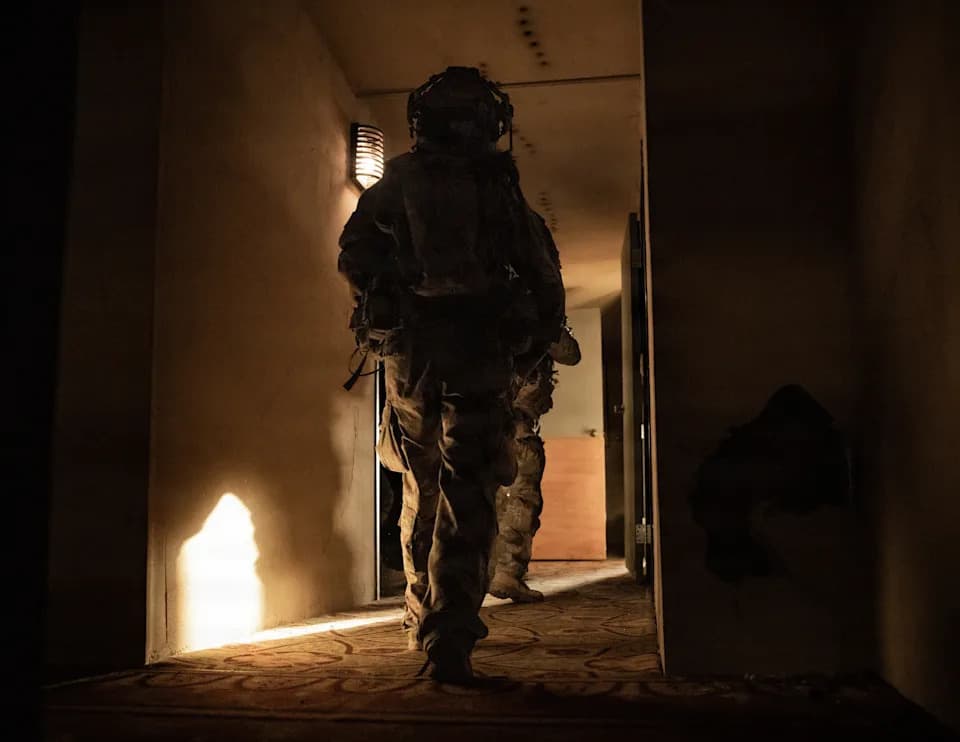
The XVIII Airborne Corps ran the Scarlet Dragon 26-3 exercise earlier this month. For the first time in a single event, the Army launched multiple large swarms in simultaneous mass-attacks to pressure-test sensors, software and air-defense crews.
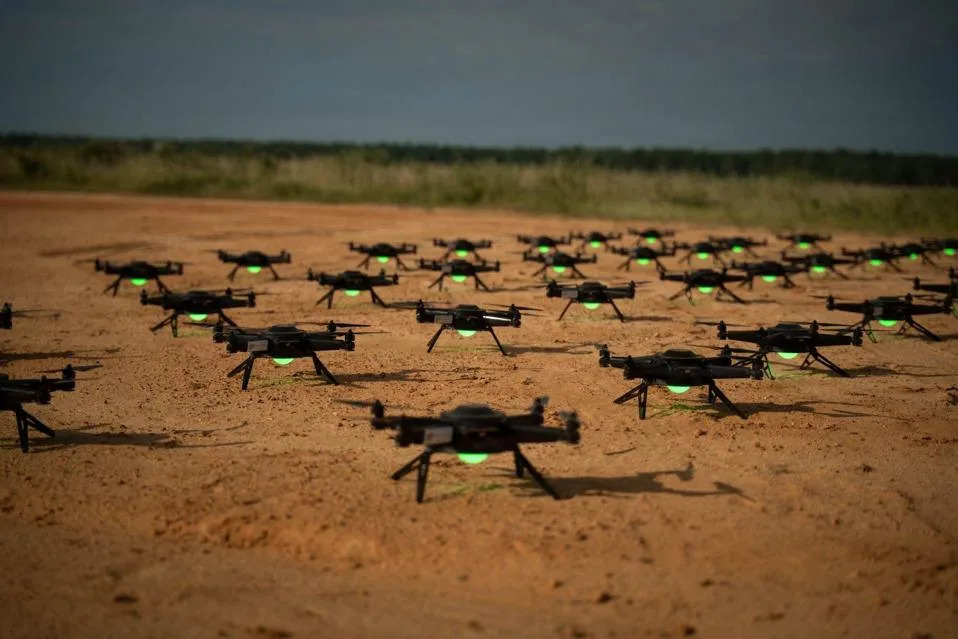
Drones synchronize before launching in coordinated swarms of 25 to 100 tactical formations to stress sensors, software and air defense crews, creating battlefield-like pressure. (U.S. Army photo by Sgt. Noe Cork)
How the Swarms Operated
Tactical drones synchronized and launched in coordinated formations ranging from about 25 to 100 platforms at a time, approaching from multiple bearings. In some demonstrations, larger unmanned aircraft acted as "motherships," releasing numerous smaller "daughter" drones in midair to complicate detection and engagement.
Sensors, Aircraft and Networked Defense
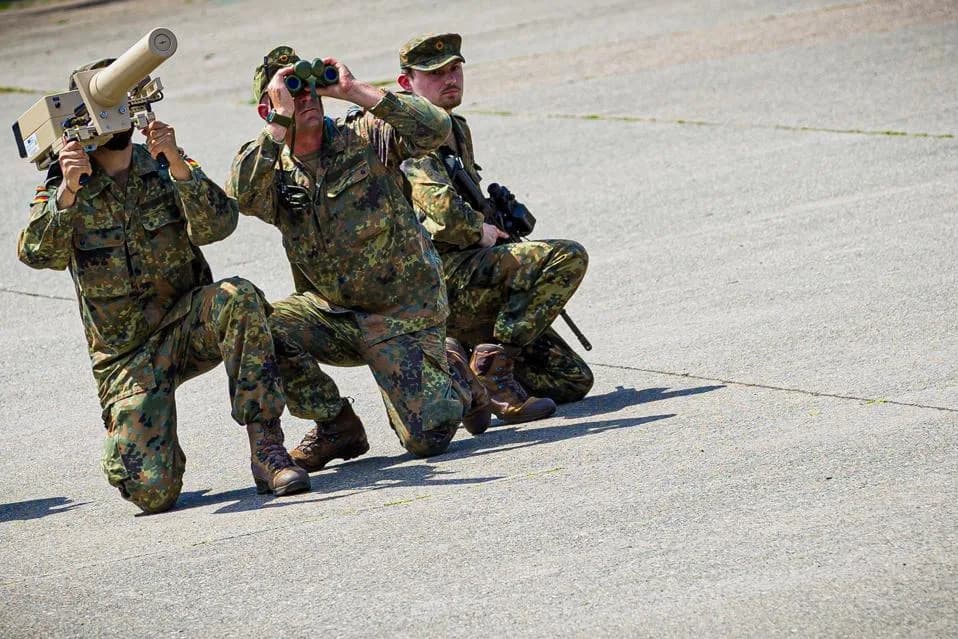
AH-64 Apache helicopters from the 82nd Airborne Brigade worked alongside Sentinel radar systems to scan terrain and feed a shared air picture to a common network for early warning and target tracking. The exercise tested how that networked picture holds up when confronted by massed, multi-directional threats.
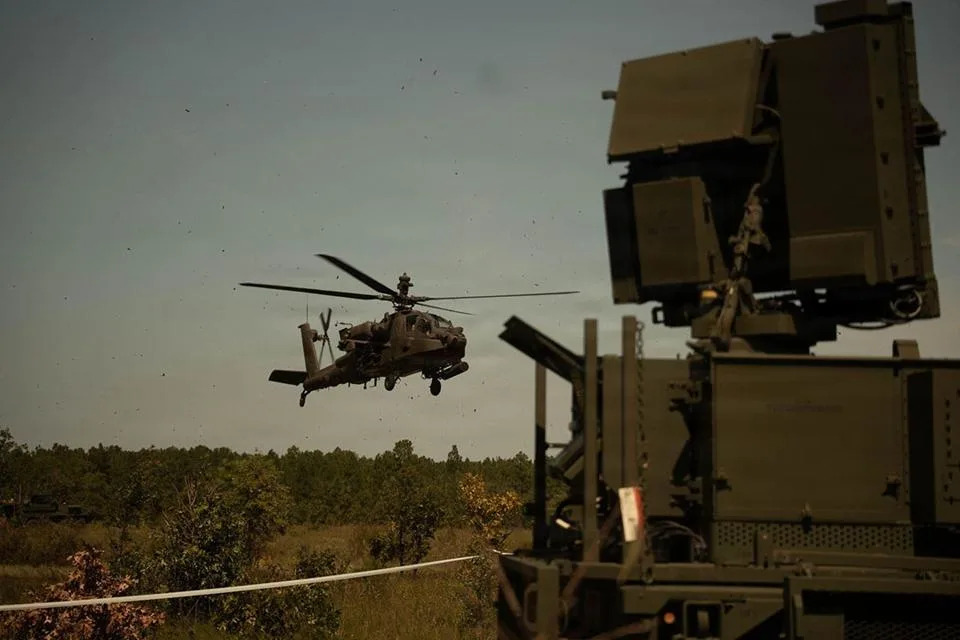
An AH-64 Apache helicopter flies past a Sentinel radar during the Scarlet Dragon exercise. The radar fed the shared air picture used for early warning while Apaches provided conventional aircraft profiles for the network to track. (U.S. Army photo by Sgt. Noe Cork)
What we've found is that there's no one sensor to rule them all. It takes an integrated, layered approach. — U.S. Army Col. Rob Kenny, Chief of Fires, XVIII Airborne Corps
Targets, Tactics and Technology
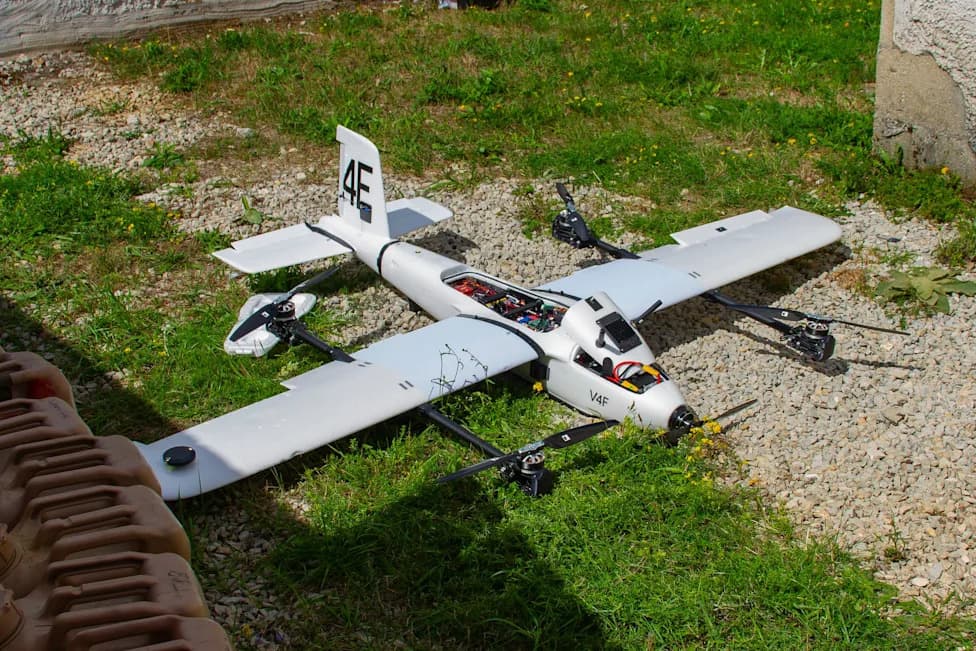
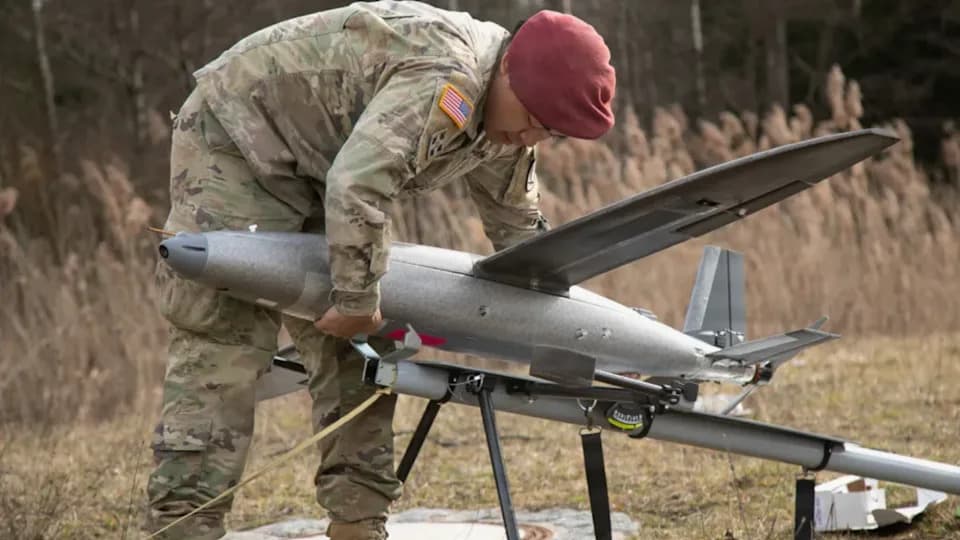
Smaller F11 Core drones flew low to the ground to probe gaps in short-range detection, while the Army also trialed a catapult-launched fixed-wing drone and a Light-Sport NI84SR aircraft that can operate piloted or unmanned and carry payloads up to 800 pounds. The mothership demonstrations specifically tested whether artificial intelligence and sensor suites can distinguish large carriers from the smaller expendable drones and then prioritize which systems to defeat.
Implications
Officials did not disclose specific vulnerabilities identified during the trials, but participants emphasized that a diverse, layered array of detection and defeat systems is essential. The exercise underscores a broader shift toward swarm tactics and automation in modern conflicts — where software, networking and AI increasingly form the first line of defense alongside traditional kinetic systems.
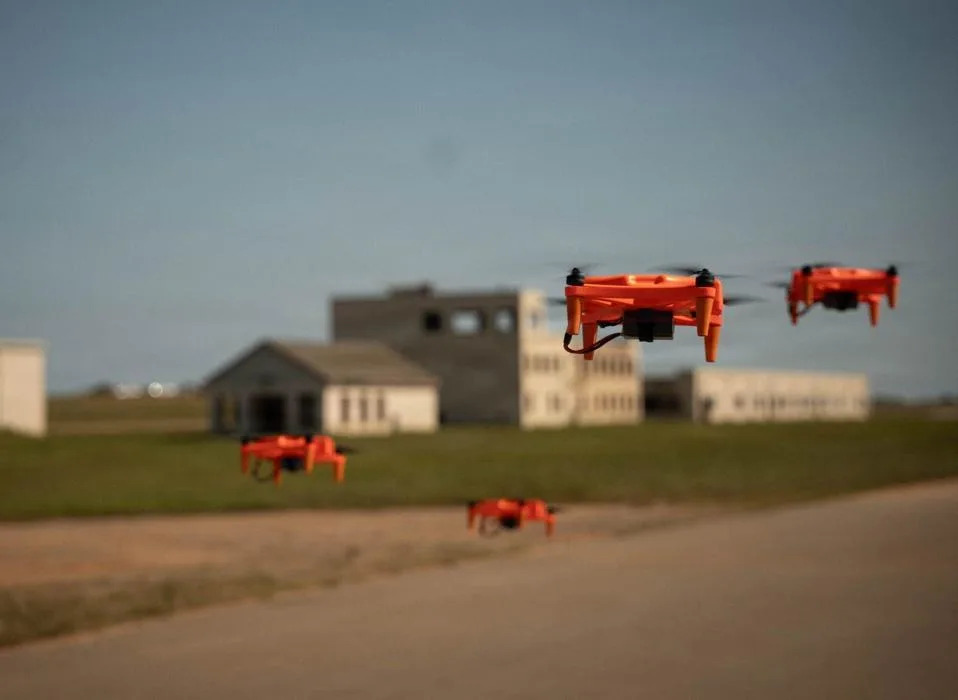
F11 Core drones fly in formation to test Army defenses during the Scarlet Dragon exercise. (U.S. Army photo by Sgt. Noe Cork)
Earlier drills have shown rapidly expanding swarm capabilities: an August exercise demonstrated that a single soldier can control up to 21 drones simultaneously, highlighting how control and coordination are evolving on the battlefield.
As drone swarms become more common, the Army's testing points to the need for integrated sensor suites, faster decision-making tools and resilient networks to manage and defeat massed unmanned threats.
Help us improve.