Pete Hegseth, a veteran and commentator, urged U.S. service members and their families to use the Federal Post Card Application (FPCA) and the Federal Write-In Absentee Ballot (FWAB) to register and vote by mail ahead of the midterms. The Trump administration proposed new rules for mail-in ballots that critics warned could disrupt delivery for military and overseas voters. The Supreme Court temporarily blocked those changes, allowing established absentee processes to continue. Federal data show a modest drop in active-duty voter registration for 2024.
Pete Hegseth Urges Troops To Use Mail-In Ballots Amid Push For New Restrictions
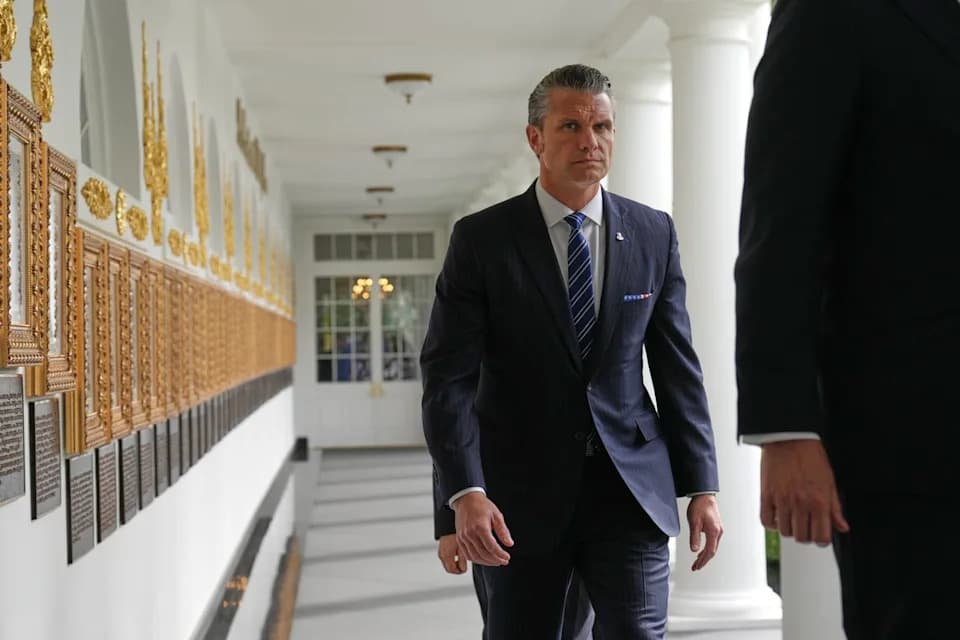
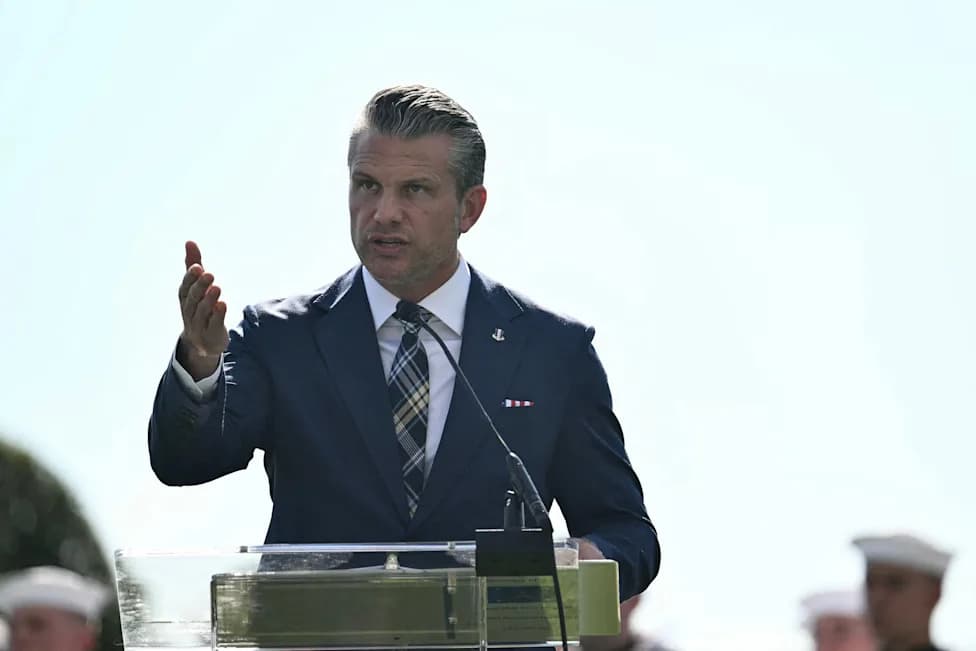
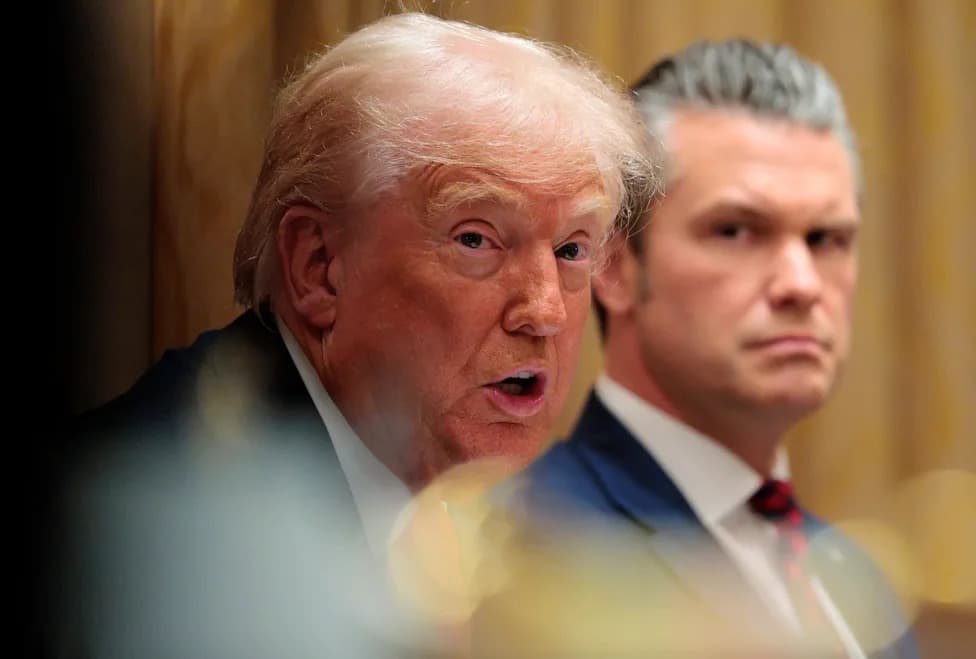
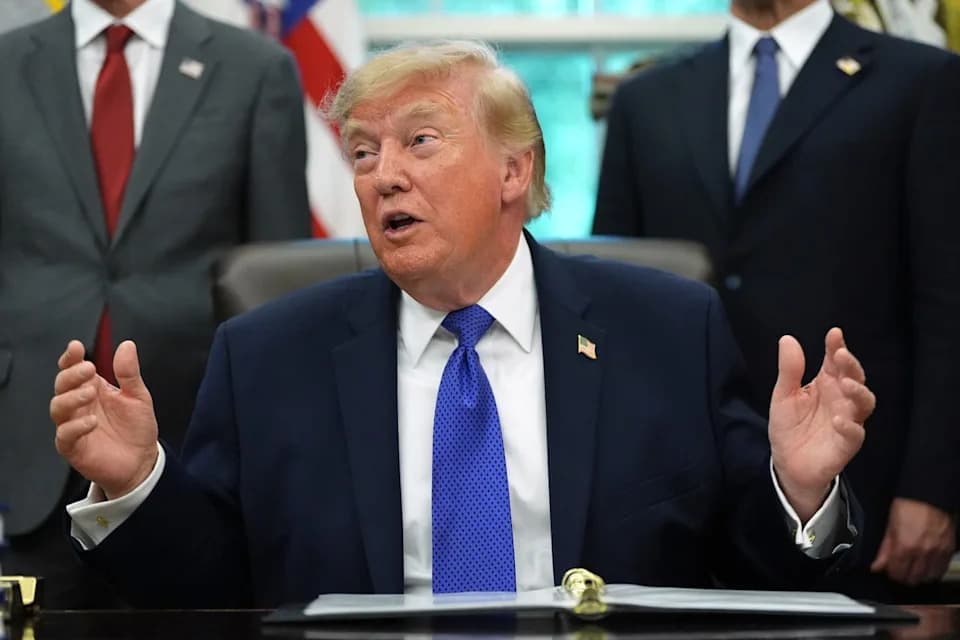
Defense Secretary Pete Hegseth is encouraging US service members stationed overseas or far from their voting location to cast mail-in ballots this year amid the Trump administration's attempts to restrict the option (AP)
Pete Hegseth, a veteran and conservative commentator, urged U.S. service members and their families to register and vote by absentee ballot ahead of the midterm elections, reaffirming the availability of long-standing federal voting tools even as the Trump administration pursued new rules for mail-in voting.
How Troops Can Vote
In a brief video released Friday, Hegseth reminded service members that they can use the Federal Post Card Application (FPCA) to both register and request an absentee ballot. He also noted that the Federal Write-In Absentee Ballot (FWAB) serves as an emergency backup for forward-deployed voters whose standard ballots are delayed.
"Regardless of your home state or current duty status, you can use a standardized federal postcard to register and request a ballot, and if you're forward deployed and your standard ballot is delayed, you can use the federal write-in absentee ballot," Hegseth said. "All of these processes are straightforward and protected by law."
"Every warrior deserves an opportunity to cast his or her ballot, and be confident that it will be counted," he added in the roughly two-minute message. "Keep our nation the land of the free and the home of the brave. Get registered and vote."
Legal And Political Context
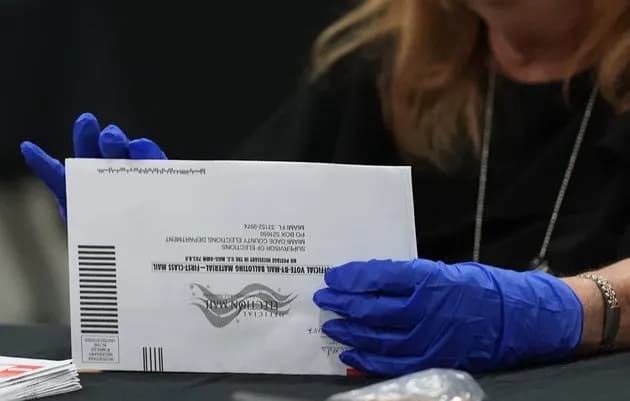
The Trump administration proposed federal rules that would have required states to use a standardized envelope design for absentee ballots and to provide lists of eligible voters through an online portal. Critics and voting-rights advocates warned those changes could disrupt mail delivery and risk disenfranchising military and overseas voters because the U.S. Postal Service might refuse ballots from states that did not comply.
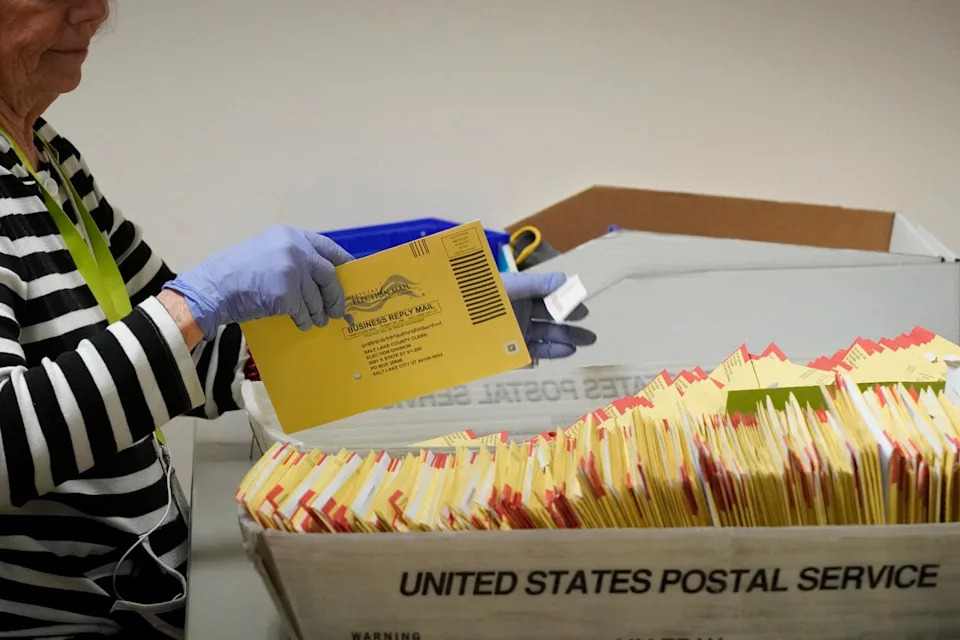
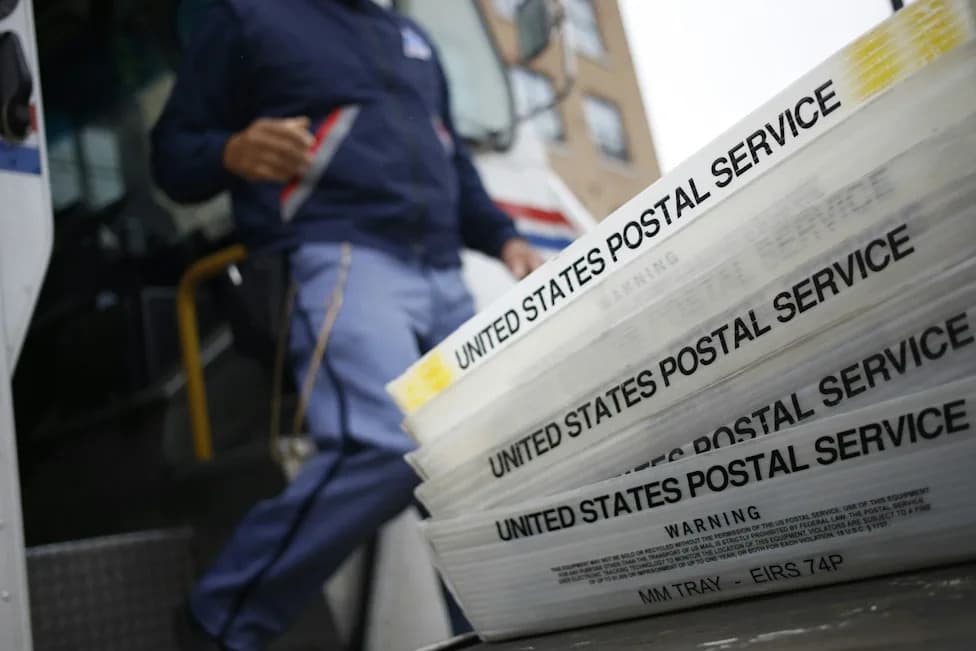
The Supreme Court has blocked the administration's attempts to overhaul mail-in ballots that gave the US Postal Service expansive authority to determine whose ballots are counted (AFP/Getty)
"This is not the time to experiment with an untested system where a mistake can mean disenfranchisement of our military service personnel and their families, and citizens voting from overseas," said Daniel C. Schwartz, chair of National Security Leaders for America's Legal Advisory Committee, supporting legal action to block the proposed changes.
In September, the Supreme Court temporarily blocked the administration from implementing those rules, allowing states to continue using established absentee and overseas voting procedures that accommodate millions of ballots each election cycle. The order prevented enforcement of the envelope-design and online voter-list requirements that might have empowered the Postal Service to refuse ballots from noncompliant states.
Advocacy groups welcomed the decision. Doris Speer, president of the Association of Americans Resident Overseas, said the proposed rule would have caused "mass confusion and chaos for voters abroad." Susan Dzieduszycka-Suinat, president of the U.S. Vote Foundation, said many overseas service members had already submitted ballots and appreciated the certainty the court ruling provided for this election cycle.
Participation Numbers And Next Steps
Data from the Federal Voting Assistance Program show about 67% of active-duty troops were registered to vote for the 2024 election, a three-point decline from 2020. Nearly three-quarters of the nation’s roughly 1.3 million active-duty service members are eligible to cast an absentee ballot this year.
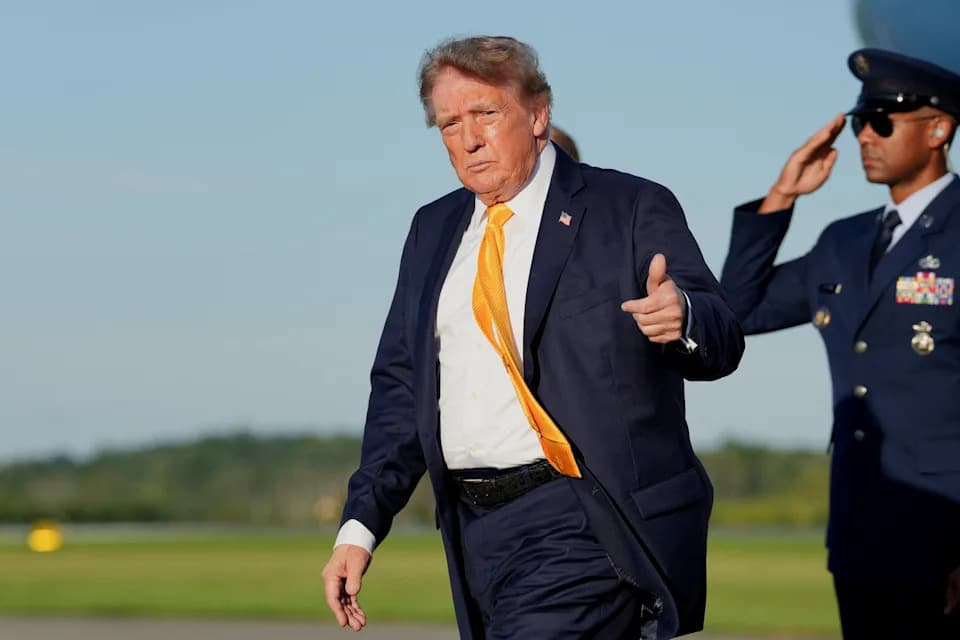
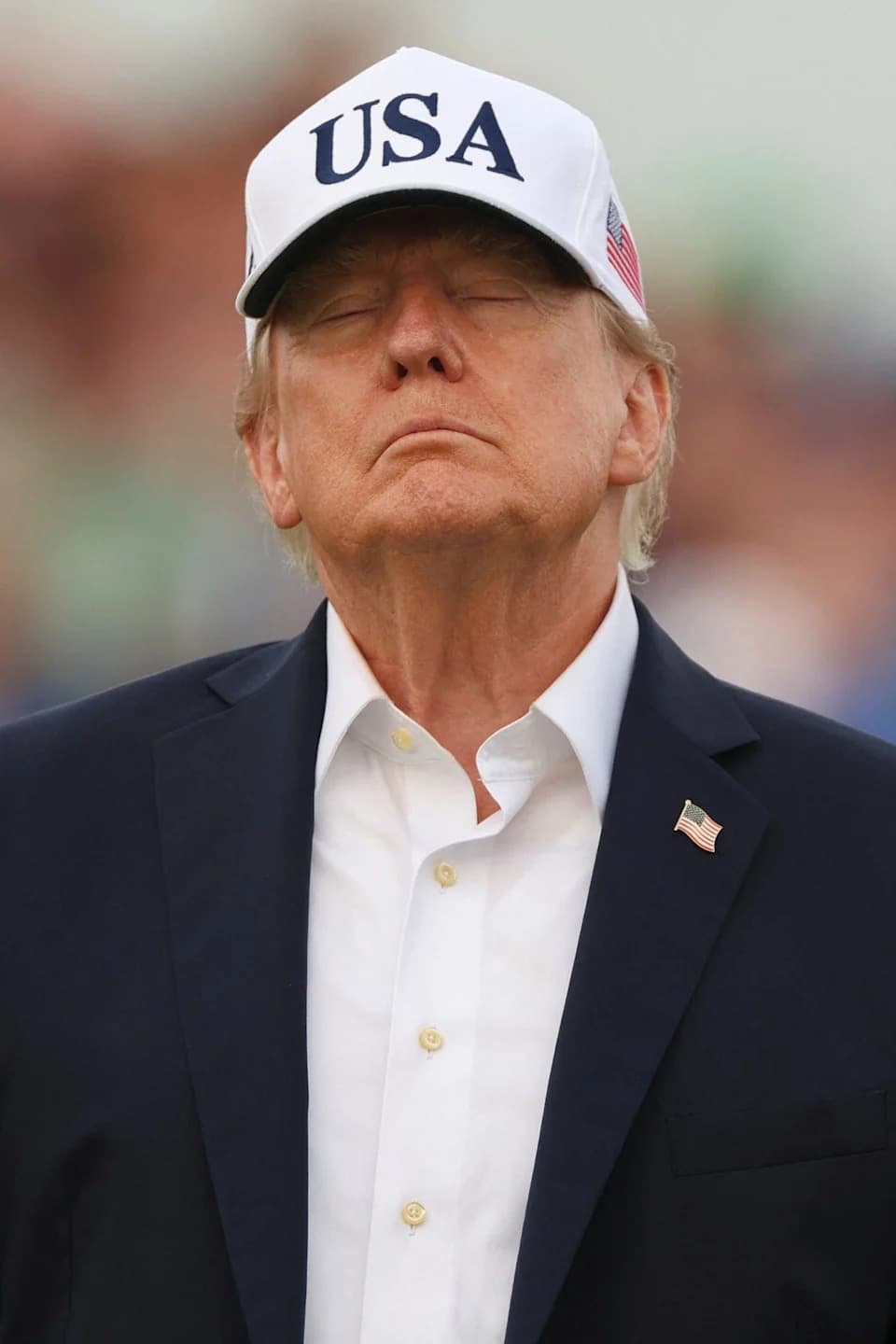
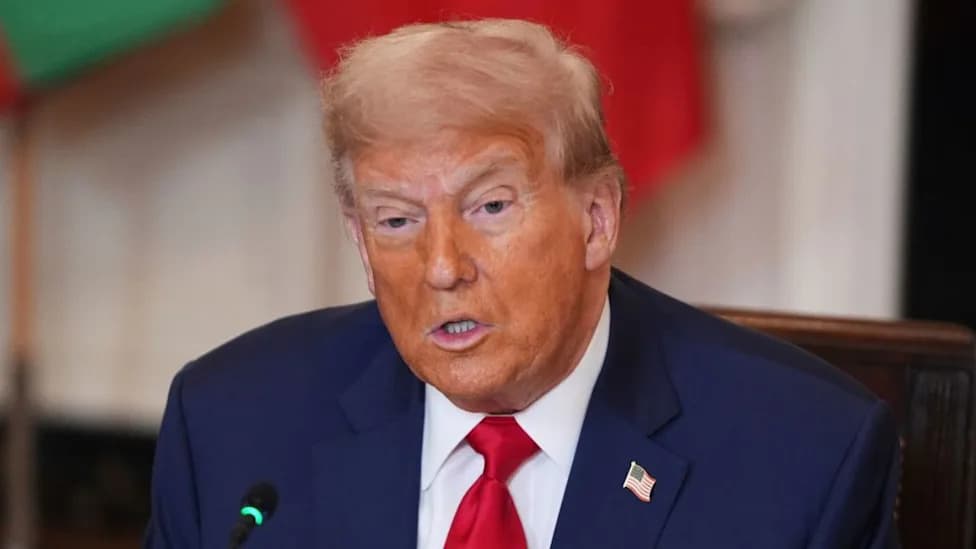
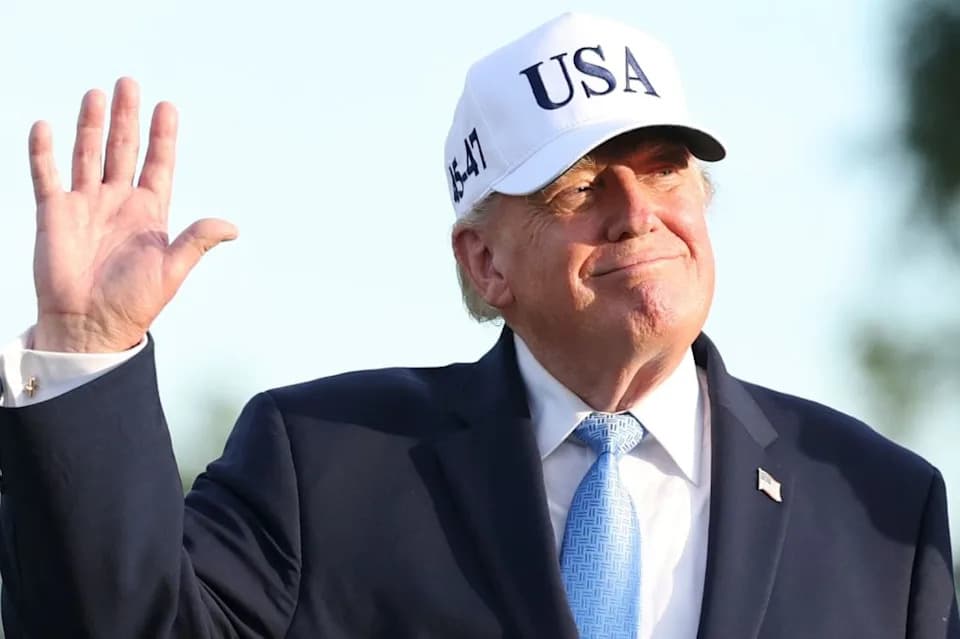
Despite the court setback, President Donald Trump has continued advocating for his broader election-reform package, the SAVE America Act, which supporters say would preserve exemptions for illness, disability, military service and travel while curtailing universal mail-in voting. Trump has repeatedly criticized mail voting as susceptible to fraud even after casting a mail ballot in Florida’s primary.
Hegseth’s message highlights the tension between preserving established absentee voting tools and the administration’s push for new restrictions. Service members and overseas voters are encouraged to use the FPCA and FWAB as appropriate and to confirm deadlines and procedures in their home states.
Help us improve.