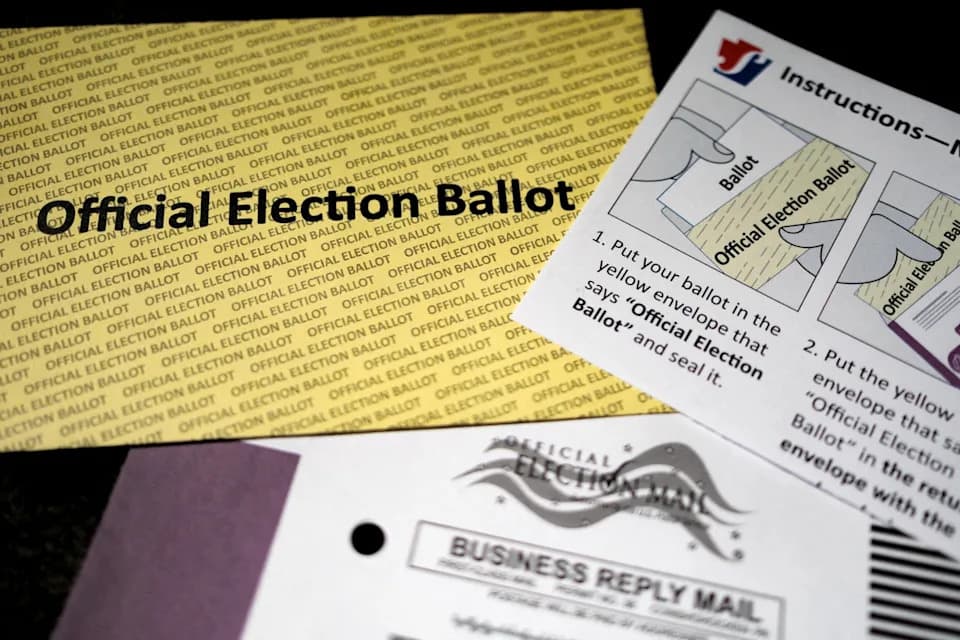
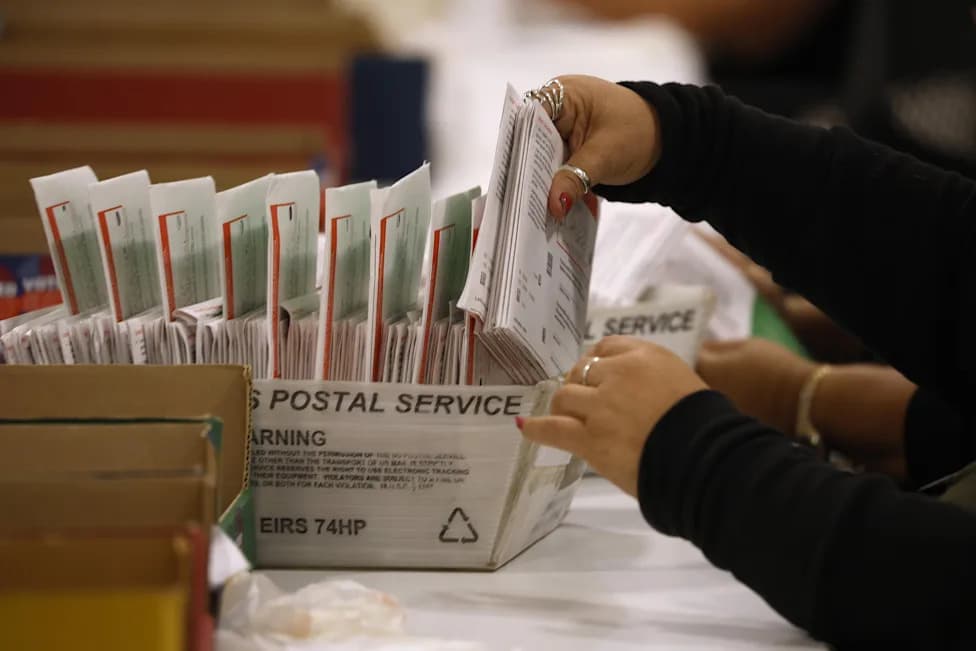
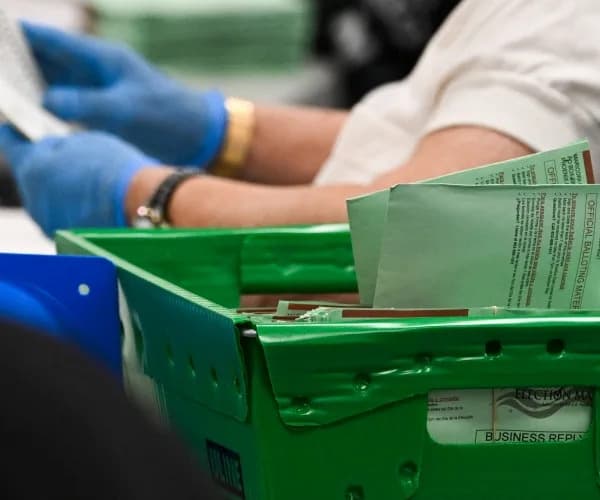
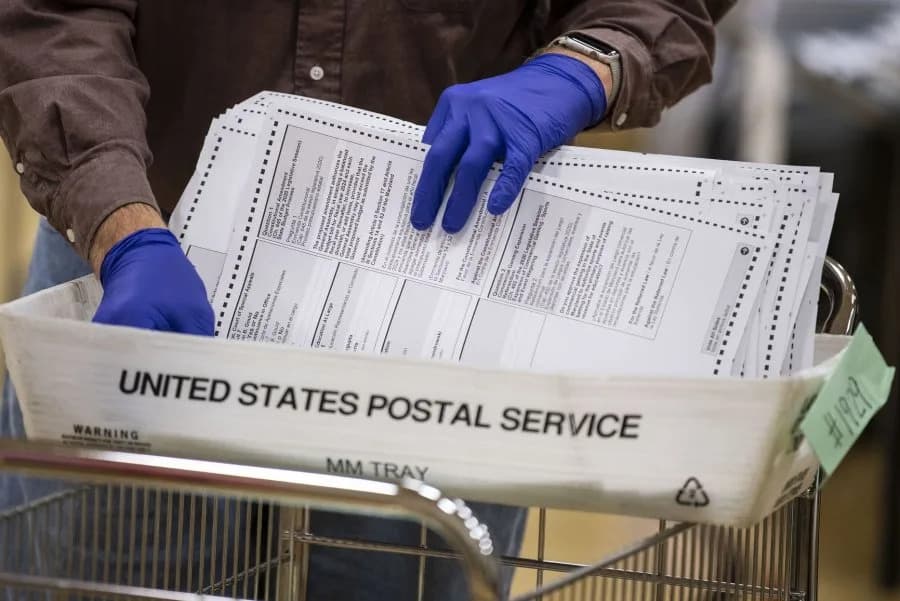
National Security Leaders for America filed a 38-page amicus brief warning the USPS Final Rule on ballot mail — which introduces a new "barcode-and-enrollment" system — could disenfranchise military personnel, diplomats, and other overseas voters. The group says the rule conflicts with federal protections such as UOCAVA and that any claimed exemption for overseas ballots is "neither developed nor workable." The brief notes a court injunction was issued and appealed, and it warns implementation before the November 3, 2026 election would cause confusion and give overseas voters no practical way to cure rejected ballots.
Ex‑National Security Leaders Warn USPS Ballot Rule Could Disenfranchise Military And Overseas Voters
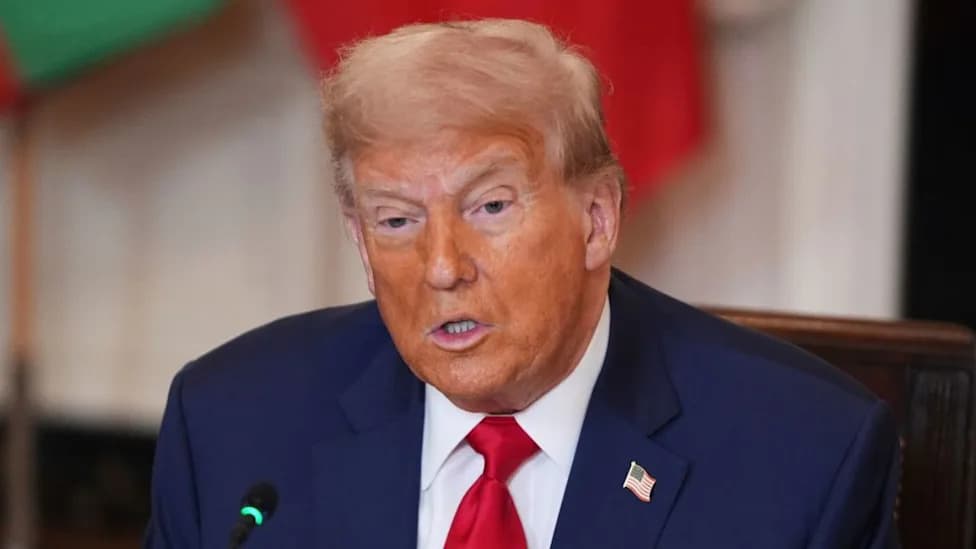
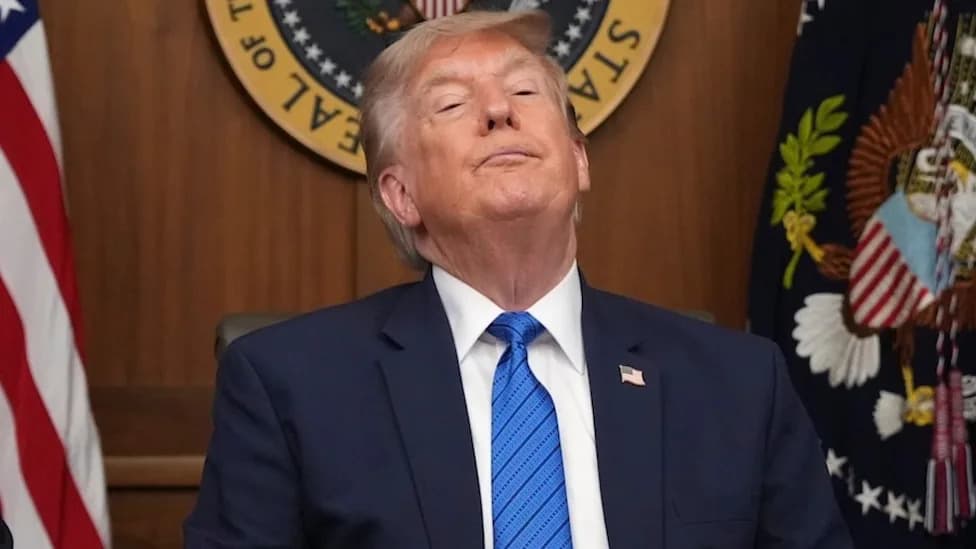
President Donald Trump speaks during a lunch with African leaders in the State Dining Room of the White House, Wednesday, July 9, 2025, in Washington (AP Photo/Evan Vucci).
A coalition of former national security officials says the Postal Service’s new ballot-mailing Final Rule risks disenfranchising hundreds of thousands of overseas voters — including military personnel and their family members — according to a 38-page amicus brief filed Tuesday.
What the Brief Says
National Security Leaders for America (NSLA), a group of more than 1,500 former national security officials, argues the USPS Final Rule’s new "barcode-and-enrollment" regime is "broadly unlawful" and conflicts with federal protections for uniformed and overseas voters. The brief warns that implementing the rule would create an "imminent risk" that service members, diplomats, and other Americans living abroad would be effectively disenfranchised.
"Allowing USPS to implement the Final Rule would create an imminent risk that military personnel and their families serving away from their legal residences and diplomats and other eligible voters living abroad will be effectively disenfranchised."
Legal Context And Timeline
The rule implements a federalized system for ballot envelopes that the administration began pursuing after an executive order directing the USPS to restrict vote-by-mail procedures. The policy was formalized as an internal USPS rule in late August, resetting portions of ongoing litigation and accelerating court filings as the next major general election approaches.
U.S. District Judge Indira Talwani recently dissolved a temporary restraining order (TRO) and replaced it with a preliminary injunction. The federal government immediately appealed to the U.S. Court of Appeals for the First Circuit and sought a stay of the earlier TRO while the appeal proceeds.
Core Objections: Conflict With Federal Law
NSLA contends the Final Rule conflicts with federal statutes protecting overseas voters — including the Uniformed and Overseas Citizens Absentee Voting Act (UOCAVA) — by imposing envelope-formatting and processing requirements that those statutes expressly forbid. The brief says the rule’s purported exemption for overseas ballots is "neither developed nor workable," and that the government’s motion to overturn Judge Talwani’s injunctions omits any meaningful discussion of the statutory conflict.
The group argues the barcode-and-enrollment procedures contain "no plausibly effective procedures" to ensure overseas ballots will comply and be counted, especially given the compressed, election-year timeline the Postal Service envisions.
Practical Consequences For Overseas Voters
NSLA highlights a key difference between domestic and overseas voters: a domestic voter whose mail ballot is rejected often has in-person remedies — provisional ballots, in-person voting, or returning to a local election office to correct problems. An overseas voter typically cannot travel back to vote in person, and statutory transmission schedules may leave no time to receive a rejection notice, obtain a compliant envelope or enrollment, and return a replacement ballot before deadlines.
The brief warns that implementing the Final Rule before the November 3, 2026 general election would "inject confusion and operational disruption into military and diplomatic and other overseas voting" and that those disruptions would cause immediate, concrete harms to service members and other overseas voters.
What NSLA Asks The Court
NSLA urges the court to recognize the practical and legal conflicts posed by the Final Rule and to bar its implementation to prevent disenfranchisement of overseas voters while the litigation proceeds.
Help us improve.