Seven Republican state election officials have asked the U.S. Supreme Court to block a new USPS rule on mailed federal ballots from taking effect for the 2026 midterms, saying there is insufficient time to implement the standards without disrupting November voting. They invoked the Purcell principle and noted deadlines such as the Sept. 19 mailing requirement for military and overseas voters and the fact that some states have already begun mailing ballots. A Sept. 4 preliminary injunction currently prevents enforcement of mandatory parts of the rule while the broader legal challenge proceeds.
Seven Republican State Officials Ask Supreme Court To Block New USPS Mail‑Ballot Rule Ahead Of 2026 Midterms
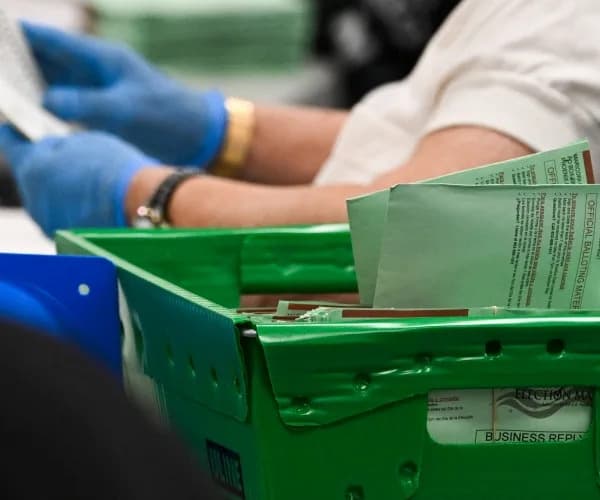
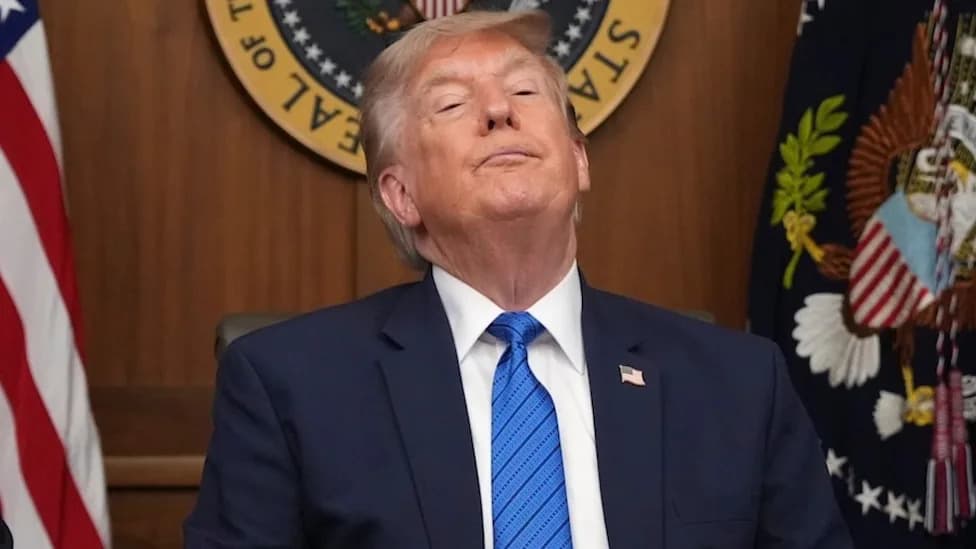
(Getty Images)
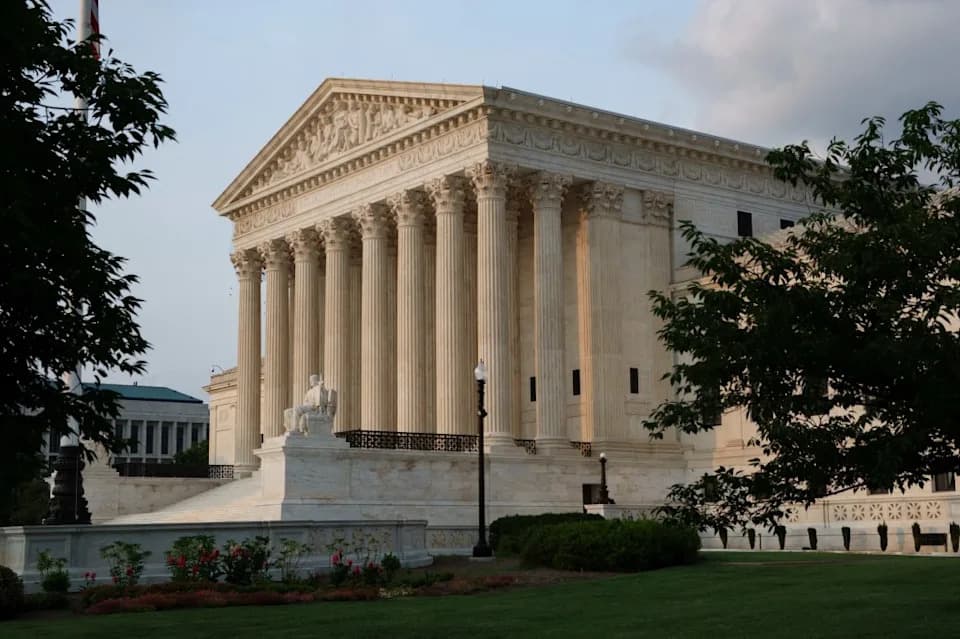
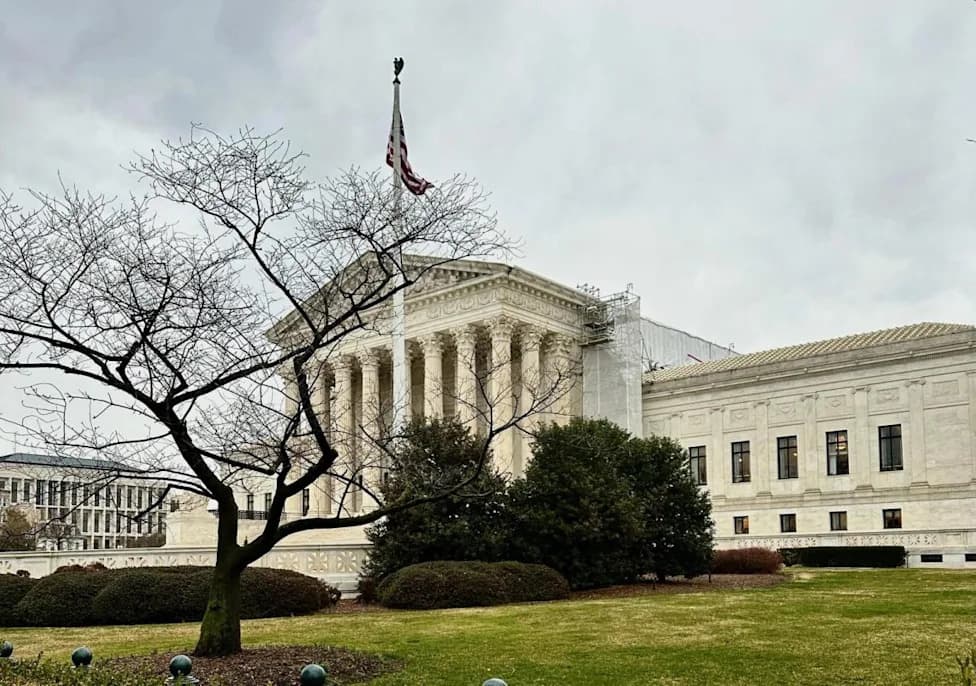
Top election officials from seven Republican‑led states have asked the U.S. Supreme Court to block a new U.S. Postal Service rule on mailed federal ballots from taking effect for the 2026 midterm elections, arguing there is not enough time to implement the changes without risking confusion and disruption in November.
Who Signed The Filing
The brief was signed by Utah Lt. Gov. Deidre Henderson and Secretaries of State Michael Adams (Kentucky), Michael Howe (North Dakota), Monae Johnson (South Dakota), Brad Raffensperger (Georgia), David Scanlan (New Hampshire) and Scott Schwab (Kansas).
What The Officials Say
In a filing with the Court, the officials said they were not asking the justices to resolve whether the policy is legally correct or incorrect. Instead, they emphasized the practical problem: implementing the Postal Service's new requirements now "will almost certainly lead to mistakes, delays, and confusion for both voters and election officials," citing the risk to orderly administration of the election.
"Late changes breed confusion, and a chaotic election erodes confidence in the result," the filing said.
Timing And Legal Context
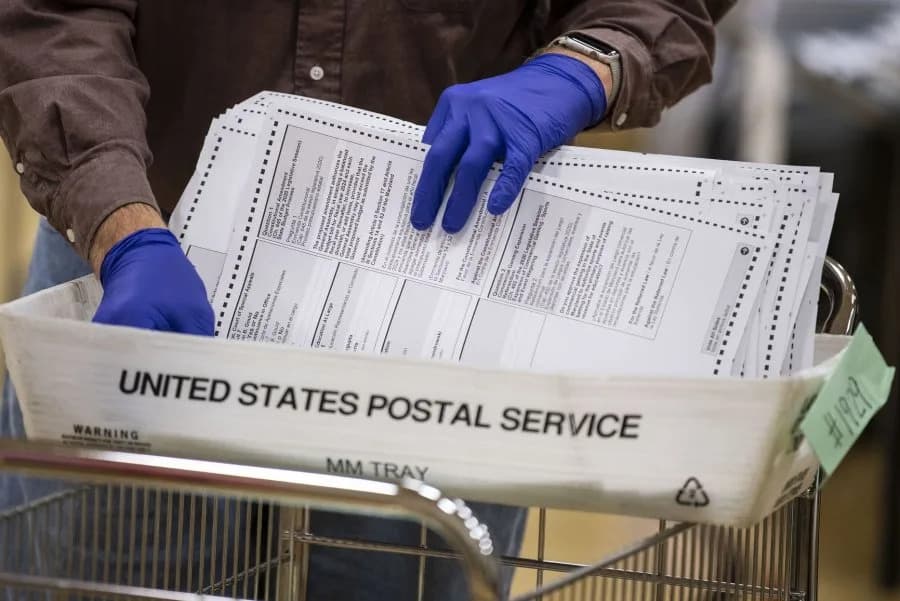
The officials noted that, under federal law, states must mail ballots to military and overseas voters by Sept. 19, and pointed out that North Carolina began sending absentee ballots on Sept. 4 — evidence, they said, that election processes are already underway and too advanced to absorb major rule changes.
They invoked the Supreme Court's Purcell principle, which generally counsels against altering election rules close to an election because changes can cause voter and administrative confusion.
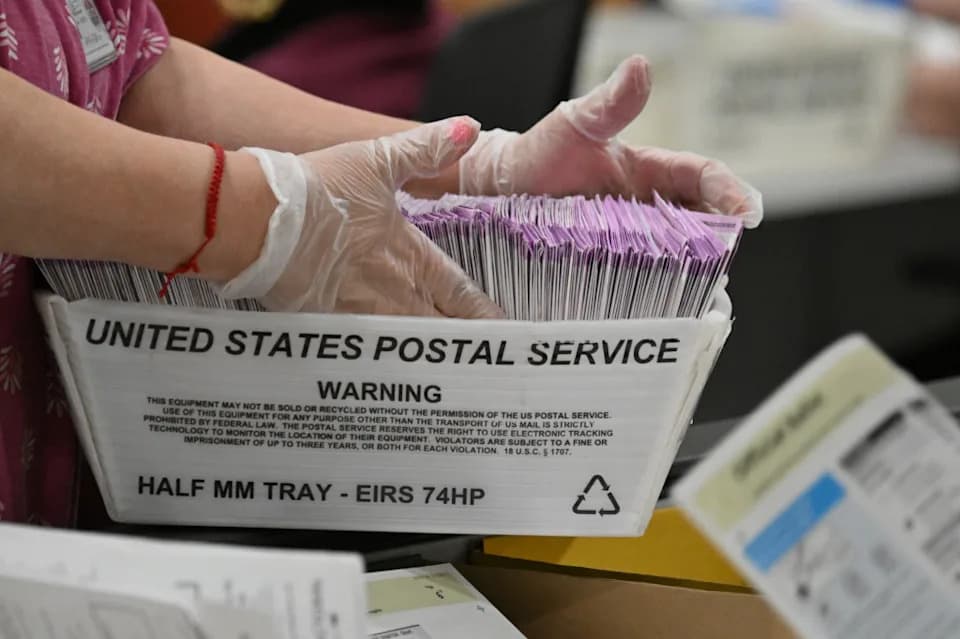
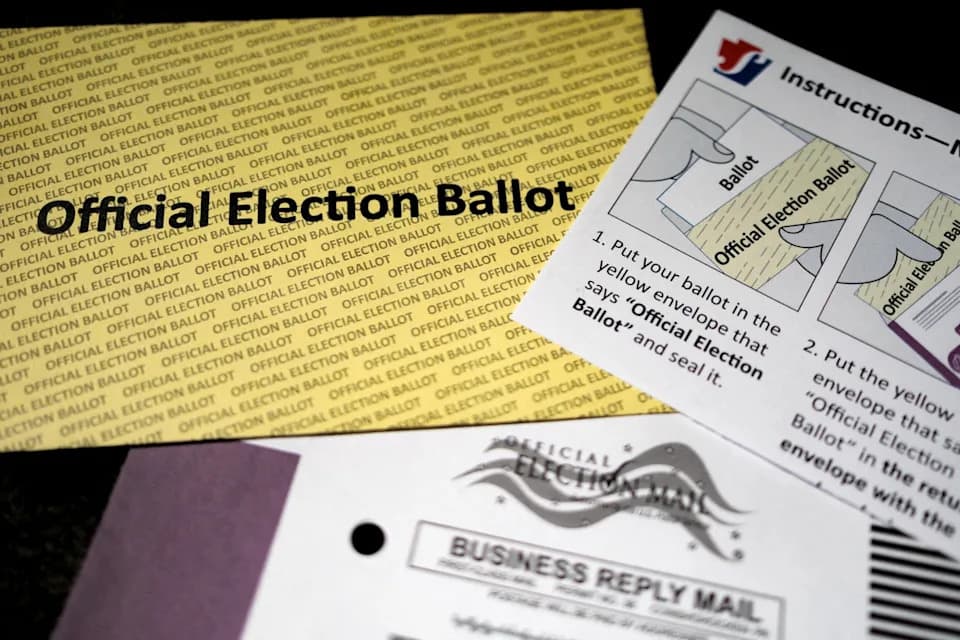
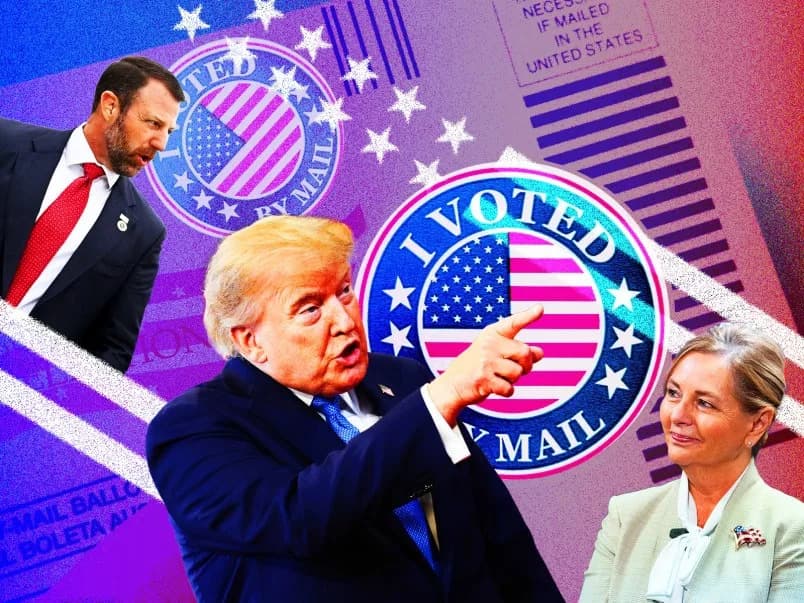
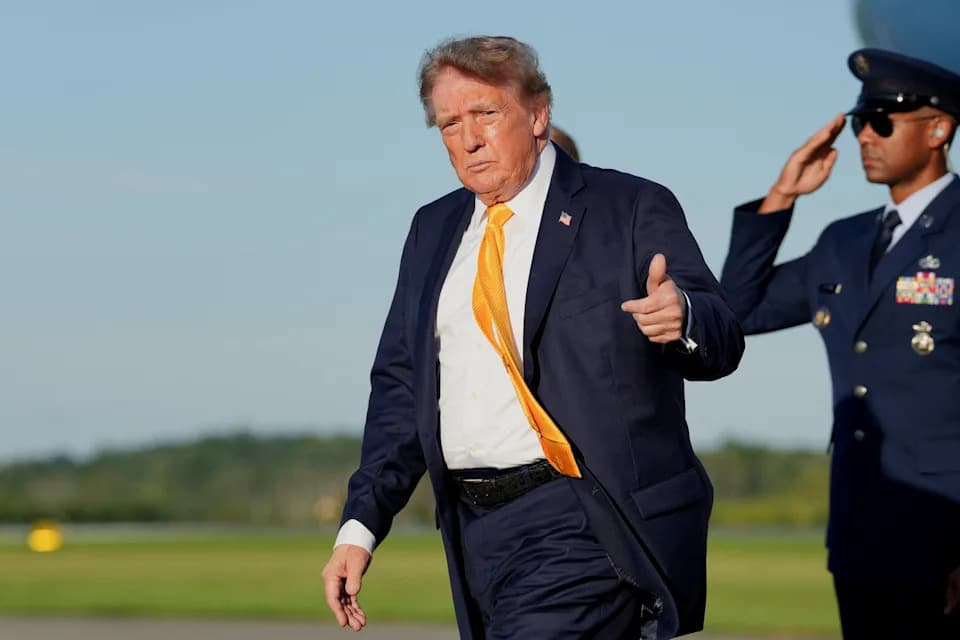
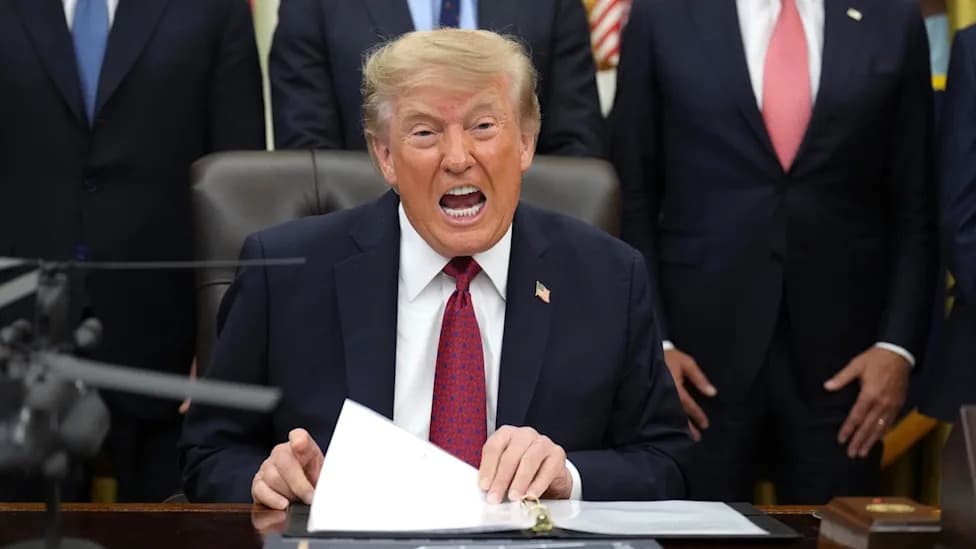
President Donald Trump issued an executive order in March directing changes aimed at strengthening election integrity, and the Postal Service followed with a rule requiring states that use the mail for federal ballots to meet new standards, including specifications for ballot‑envelope design and certain voter data fields.
Where The Case Stands
U.S. District Judge Indira Talwani of Massachusetts issued a preliminary injunction on Sept. 4 that blocks mandatory portions of the USPS rule for the 2026 midterms. The Biden administration's successor in the Postal Service is defending the rule, while the Trump administration has asked the Supreme Court to allow the rule to take effect this year, according to reporting.
The broader dispute involves the relative authority of the presidency and the Postal Service over mail voting procedures, even though actual election administration is primarily the responsibility of state and local officials. The seven Republican officials said their immediate concern is practical: major procedural changes made after voting processes have begun could undermine the smooth operation and perceived legitimacy of the election.
Help us improve.