Polisen has launched a public campaign urging people — particularly those over 60 — to hang up on suspected scam callers and not worry about appearing rude. Scammers stole an estimated $575.3 million in Sweden in 2025, and most reported losses still come from phone scams despite rising AI-enabled fraud. Officials recommend hanging up at the first sign of suspicion, and they’ve launched a nationwide police operation and new telecom rules to curb fraudulent calls.
Sweden’s Unusual Advice to Fight Phone Scams: Don’t Be Polite — Hang Up

It's okay to be rude to scam callers.
Swedish police are urging the public — especially older adults — to stop worrying about etiquette when a call feels suspicious and to hang up immediately. Polisen has launched a nationwide campaign, featuring five well-known public figures, to encourage people to be more suspicious of unsolicited calls that could be scams.
According to Polisen, scammers stole an estimated $575.3 million in Sweden in 2025. While online fraud using increasingly convincing generative AI is on the rise, the majority of reported losses in Sweden still come from classic phone-based cons.
The outreach uses short testimonials from actors Suzanne Reuter, Lennart Jähkel and Christina Schollin, and journalist Claes Elfsberg to push a single practical message: dare to be rude — hang up.
"Many of us are raised to always be polite and accommodating, and there are many in my generation," said Suzanne Reuter, best known for the comedy series Svensson, Svensson. "But today you have to dare to be a little more questioning. It's not rude — it's self-protection."
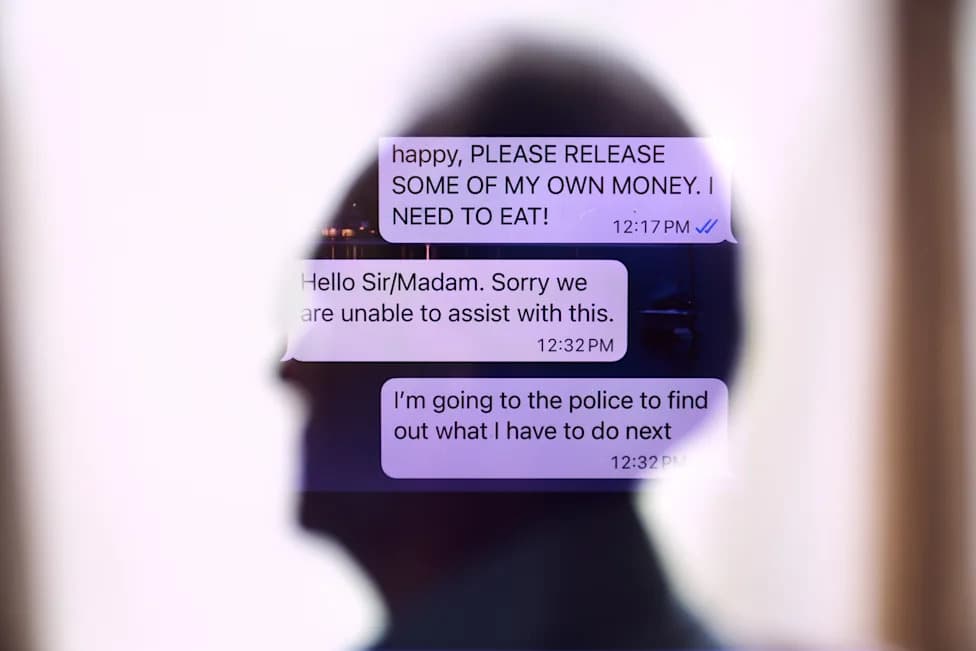
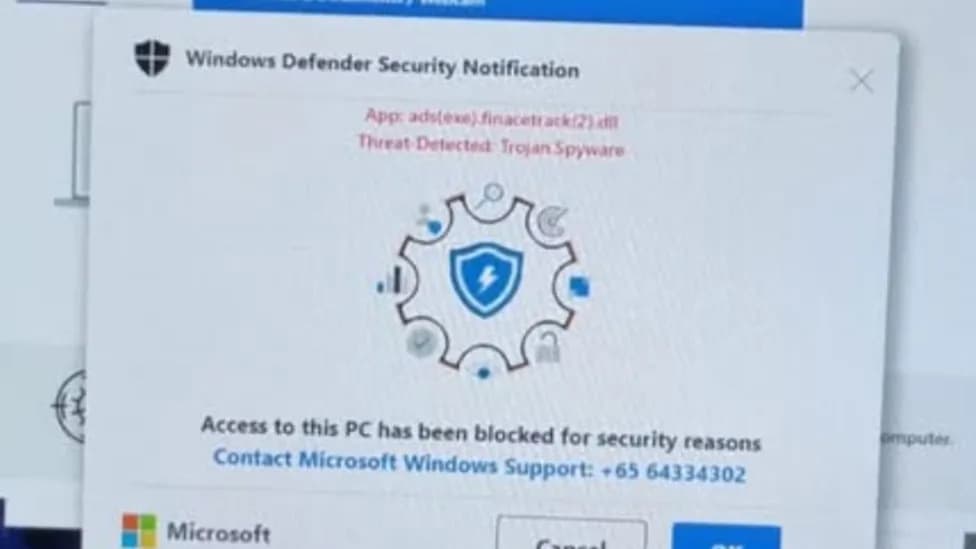
Police describe a common scam pattern: victims receive a text message purporting to be from an authority (a government agency or bank) asking them to call a number. On the call, the fraudster builds trust, then creates urgency — sometimes claiming a crime is occurring and insisting the victim quickly move funds to another account to avoid theft.
These schemes work because experienced scammers manipulate emotions and social instincts. By creating trust and then triggering fear, greed or panic, fraudsters short-circuit a person’s normal skepticism and prompt impulsive decisions.
"When we're under a very strong visceral influence, we are not able to recall information as readily," Martina Dove, author of The Psychology of Fraud, told the CBC. "So memory will suffer … it's going to make them more impulsive."
Authorities advise that the safest immediate action is simple: hang up at the first sign of suspicion. The same approach applies in person — in Sweden and the Netherlands there have been cases of impostors posing as police officers at the door and demanding money or valuables. Police say it’s OK to close the door and prioritize safety over politeness.
Beyond protecting individuals, stopping scams reduces revenue streams for organized crime. Polisen says it has launched a nationwide operation targeting the top players in scamming rings suspected of links to organized crime. Lawmakers also recently approved stricter telecom rules requiring operators to take more proactive steps to block likely fraudulent calls.
U.S. lawmakers tried a technical fix in 2019 when the Federal Communications Commission was directed to implement caller ID authentication under the STIR/SHAKEN framework; however, caller authentication has had limited success in stopping spoofed and malicious calls. The Federal Trade Commission estimates Americans lost roughly $3.5 billion to imposter scams last year, with older adults disproportionately targeted — a reminder that the simple advice to 'hang up' may be useful far beyond Sweden.
Help us improve.