The FBI IC3 received nearly 61,000 complaints of fake police and government impersonation scams from January 2025 to July 2026, with estimated losses of about $1.6 billion. Victims lost an average of roughly $26,000 per incident, and certain schemes—especially those targeting immigrants and international students—were particularly costly. Scammers use phone and video calls, staged sets and threats to visas or arrest to coerce payment. Stay calm, request and verify credentials independently, and never pay officials over the phone.
FBI: Fake Police & Government Impersonation Scams Cost Victims $1.6B — How to Spot and Stop Them

Credit: Getty Images
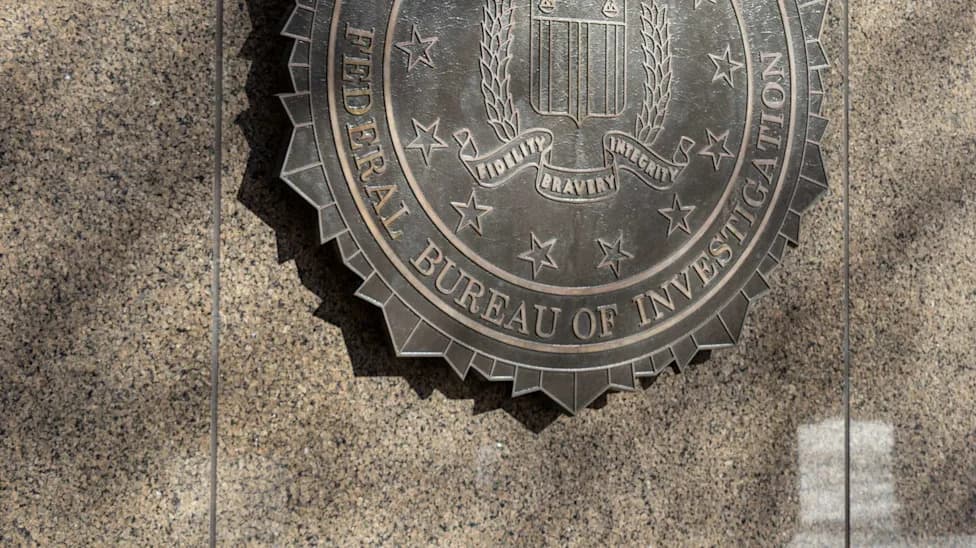
The FBI's Internet Crime Complaint Center (IC3) reports that impersonation scams—where fraudsters pose as police, immigration officers or other government officials—extracted around $1.6 billion from victims between January 2025 and July 2026. During that period, IC3 received nearly 61,000 complaints tied to these schemes.
How The Scams Work
Scammers typically contact targets via unsolicited phone calls and, increasingly, live video calls. Tactics used to intimidate and convince victims include:
- Threats of missed jury duty, imminent arrest, visa cancellation, passport revocation or extradition.
- Highly convincing staging—fraudsters have built studio sets, worn uniforms or suits and used professional video calls to impersonate officials.
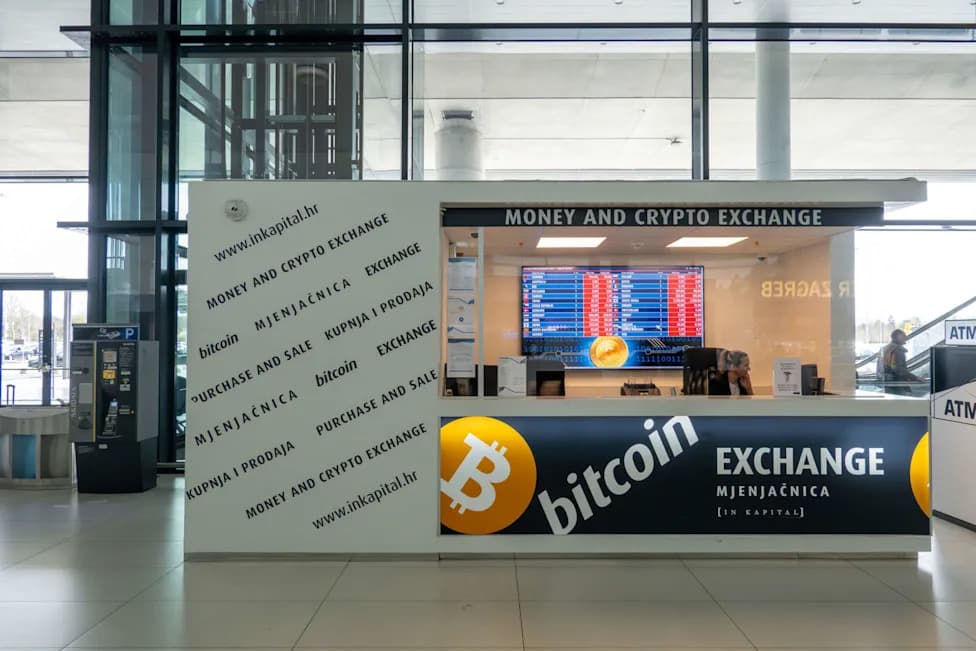
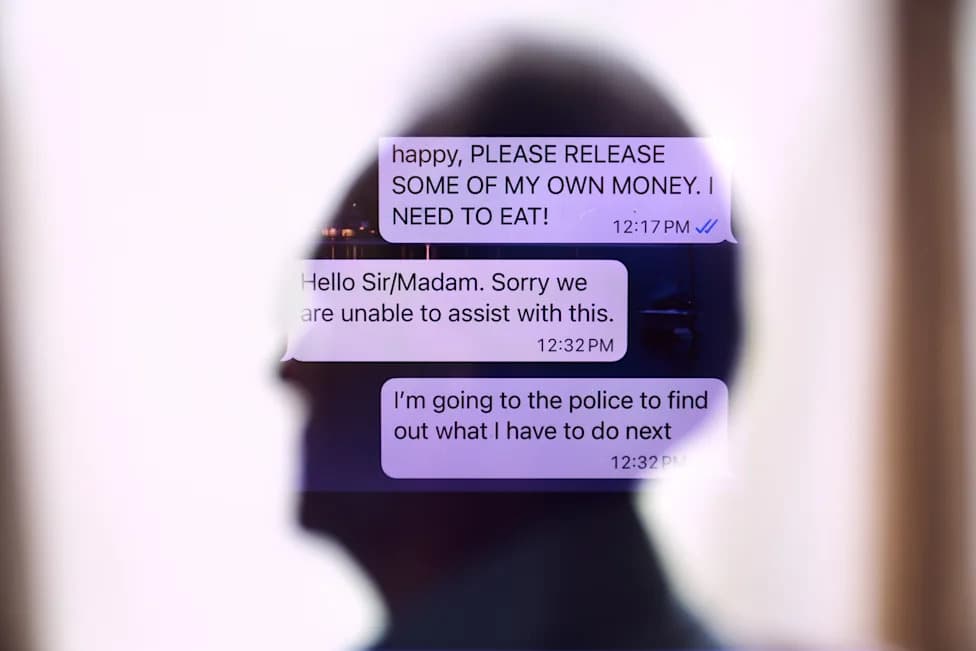
- Pressure to pay quickly using wire transfers, gift cards or cryptocurrency to avoid legal consequences.
Who’s Being Targeted?
Although many victims are contacted at random, the FBI notes particularly aggressive targeting of international students, visiting foreign nationals and immigrant communities. Disturbingly, one scheme that targeted fewer than 3% of victims accounted for roughly 10% of total reported losses. The reported average loss per incident is about $26,000.
How To Protect Yourself
If you receive a call or video from someone claiming to be a government or law-enforcement official, follow these steps:
- Stay calm: Scammers rely on fear and urgency to impair judgment.
- Ask for official credentials: Request badge numbers, names, agency contact details and an official case or file number.
- Verify independently: Hang up and call the official agency using a verified phone number from an official website or directory. Do not use numbers the caller provides.
- Never pay on demand: Law enforcement and government agencies will not ask for payment over the phone.
- Refuse pressure and requests for immediate transfers: Do not provide personal information, bank details, or passwords.
- Report it: File a complaint with the FBI IC3 and notify your local police or consumer protection agency.
Quick reminder: Legitimate officials expect verification. If a caller refuses to provide verifiable credentials or pushes you to pay immediately, end the call.
Global Problem, Local Steps
These impersonation scams occur worldwide and in both online and offline settings. Awareness, calm verification and prompt reporting are the best defenses. If you suspect you’ve been targeted or lost money to one of these scams, contact your local law enforcement and report it to the FBI IC3 as soon as possible.
Help us improve.