After a phishing attack bankrupted his grandfather’s business, Viraj Shah launched Click With Confidence, a student-led group that now sends 30+ volunteers to senior centers to teach fraud awareness. The program offers monthly presentations, trains student digital mentors and developed a Chrome extension to flag suspicious emails. Officials warn elder fraud is rising — the FBI logged about 201,266 complaints from people 60+ in 2025 with roughly $7.75 billion lost — and scams increasingly use AI-generated voices. Seniors who need help can call the DOJ National Elder Fraud Hotline at 833-FRAUD-11.
Teen Turns Grandfather’s Phishing Loss Into a 30-Student Campaign Teaching Seniors to Spot Scams

Image Credit: WRAL/YouTube.
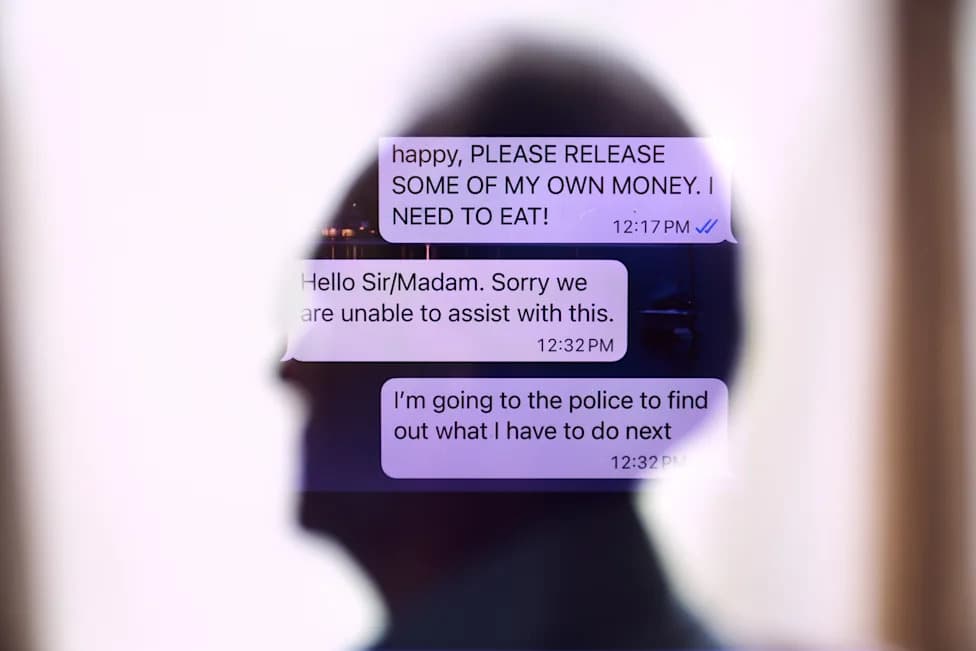
When a phishing email emptied his grandfather’s business accounts and forced the company into bankruptcy in 2022, Viraj Shah decided to act. The Green Level High School junior from Cary, North Carolina founded Click With Confidence, a student-led initiative that now sends more than 30 teenagers into senior living communities to teach older adults how to recognize and respond to scams.
How Click With Confidence Works
Volunteers visit senior centers and retirement communities roughly once a month. Students research current fraud tactics and present clear, up-to-date guidance about the types of calls, emails, texts and online messages seniors are encountering. Sessions cover where to report fraud and immediate steps to take if personal or financial information has already been compromised.
Beyond Presentations: Tools and Training
Click With Confidence also trains middle and high school students to serve as digital mentors and has developed a Chrome browser extension that flags suspicious email content and explains warning signs in plain language. Shah says the program pairs younger people’s comfort with technology with older adults’ need for clear, patient guidance.
Scope of the Problem
Fraud targeting older Americans has been rising. The FBI’s 2025 Internet Crime Report recorded 201,266 complaints from people aged 60 and older, with combined losses of about $7.75 billion. Federal investigators are opening more elder-fraud probes: IRS Criminal Investigation reported it opened 255 elder-fraud investigations from fiscal 2021 through fiscal 2026 involving approximately $885.86 million in alleged losses.
IRS CI said 97 of those investigations began in fiscal 2025 and another 64 began in the first half of fiscal 2026. Nearly $737 million of the alleged fraud identified across the six-year span was tied to cases initiated during those two most recent periods. Special Agent John Siddons told WRAL one recent victim lost roughly $4 million, most of it taken from a retirement account — a loss that can be devastating and often impossible to fully recoup.
New Tactics: AI Voices and Government Impersonation
Scammers are increasingly using artificial intelligence to impersonate relatives’ voices, creating convincing-sounding pleas for money. The North Carolina Department of Justice warns that a familiar voice, name or personal detail is not proof that a request is genuine. Officials advise independently contacting the relative or another trusted person before sending money.
Impersonation schemes that claim to be from the IRS, law enforcement or other agencies also try to create panic by threatening arrest or penalties. Legitimate government representatives do not demand payment via gift cards, cryptocurrency, or wire transfer to resolve an arrest threat.
Practical Advice for Seniors and Families
- Pause and Verify: Create time between receiving an alarming message and responding. Independently verify toll notices, delivery texts, account warnings, tech support requests or family emergencies.
- Use Independent Contact Info: Hang up and call the company, agency or relative using a phone number obtained independently — not the number or link in the suspicious message.
- If You’ve Sent Money: Contact your bank or payment provider immediately and preserve emails, messages, receipts, telephone numbers and transaction records.
Where To Report and Get Help
Online fraud can be reported to the FBI at IC3.gov. People age 60 and older who need help reporting fraud can call the Department of Justice’s National Elder Fraud Hotline at 833-FRAUD-11, which connects callers with trained professionals who can help file reports and locate additional resources.
Click With Confidence provides a local example of how community-driven education, simple tools and intergenerational cooperation can help reduce the harm caused by online fraud.
Help us improve.