The author recounts frequent silent nuisance calls and a warning from their teenager that scammers are harvesting voices to train AI. AI voice-cloning has been used in real crimes — notably a Florida case where a woman was defrauded of $45,000 — and is likely to spread. Authorised Push Payment (APP) fraud cost the UK about £1.3bn in 2025, and telephone-initiated APPs account for a disproportionate share of losses. The piece explains why the human voice is persuasive and offers practical steps to reduce risk.
Scammers Have a New Trick — AI Voice-Cloning Is Being Used to Impersonate Loved Ones
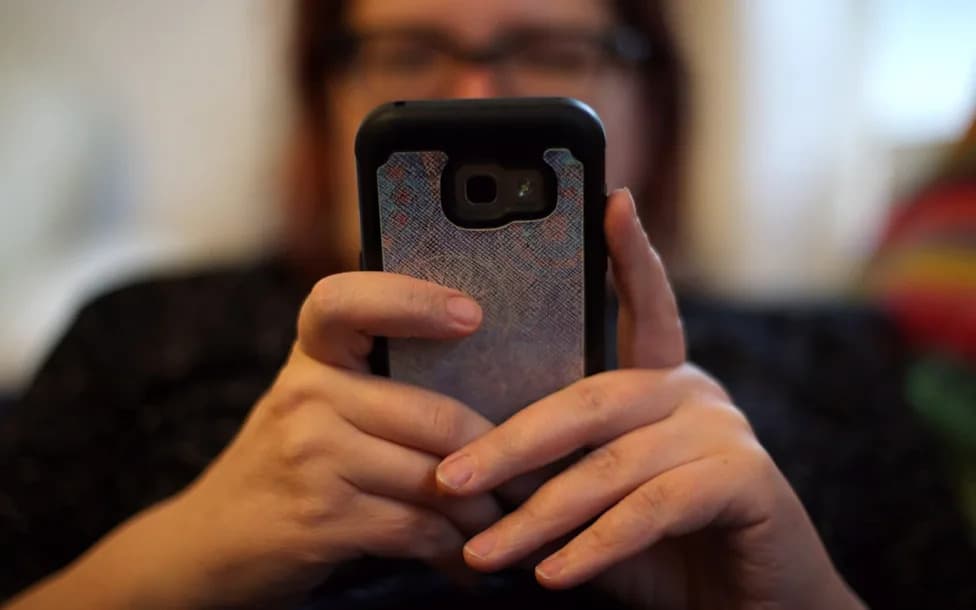
If scammers can get a recording of your voice, it can be copied and used to train AI to mimic you - Yui Mok/PA
In the earliest days of the telephone, Alexander Graham Bell famously suggested using “Ahoy!” as a greeting — a far cry from the clipped, businesslike silence the Victorians were advised to observe. New users were told simply to lift the receiver and wait for the caller to identify them.
Today I answer the phone like a Victorian — only far more often. My mobile rings roughly 50 times a day from unfamiliar numbers traced to places such as Manchester, Birmingham and even the Orkneys, yet almost never is anyone audible on the other end.
At first I treated it as a crossed line from the 1980s, trilling “Hellooo? Hellooo?” in rising desperation. Then my 16-year-old — glued to his phone but refusing to pick up unknown calls — told me: “It’s a scam, Mum. They’re probably trying to harvest your voice.”
How Voice-Harvesting Works
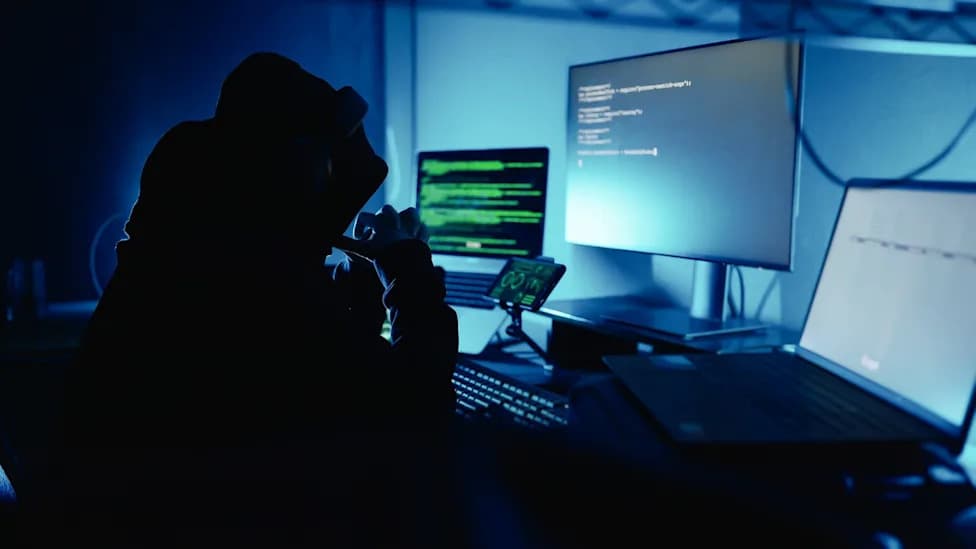
That sounded like a new kind of nightmare. But it is real. AI voice-cloning technology, which has existed for some time, is now being adopted by criminals. If fraudsters can obtain a recording of your voice — from a live call, social media clips or even a voicemail greeting — they can feed it into machine-learning systems to synthesize a convincing imitation.
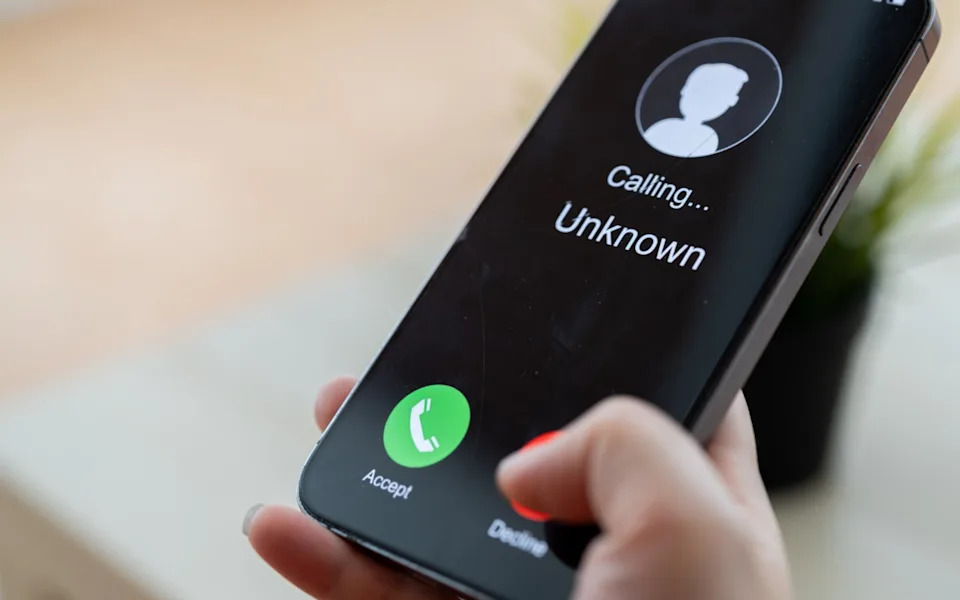
Our digital overlords have found yet another way to punish us for being human - Thitima Uthaiburom
“There is nobody that could convince me it wasn't her,” said Sharon Brightwell, who was conned out of $45,000 after a call that sounded like her daughter, pleading that she needed money for a lawyer after an accident.
Why This Is Especially Dangerous
For now, the method is relatively uncommon because it remains technically and financially demanding. But it is likely to spread. So-called Authorised Push Payment (APP) fraud — where victims are persuaded to transfer money themselves — cost the UK around £1.3bn in 2025, up about 4 percent in a year. Telephone-initiated APPs make up roughly 17% of incidents but 28% of losses by value, illustrating that voice-based contact tends to result in larger swindles.
These crimes are particularly vicious because they exploit human virtues: love, trust and generosity. As social animals, we find the human voice deeply reassuring. My mother once fell for a scammer claiming to be a police officer: “He sounded completely convincing,” she told me. “But the moment I put the phone down and his voice stopped, it was like a finger click, and I came back to my senses.” She called the real police and recovered the money.
What You Can Do
As fraud technology advances, we may have to become ruder, more guarded and less trusting of voices on the line — even those of family members. Practical steps can help reduce risk:
- When contacted about money, always verify the person via a second channel you already use (call a known number, text, or video chat).
- Do not transfer funds or divulge passwords after a single emotional phone appeal; banks will not pressure you to send money immediately.
- Limit publicly available voice material on social media and change voicemail greetings to neutral messages.
- Use call-blocking and spam-filtering tools provided by your carrier or third-party apps.
- Report suspicious calls to your bank and to national fraud-reporting services immediately.
Technology can amplify both convenience and danger. The human voice is a powerful trust signal — and that makes it an attractive target. Remaining alert, verifying requests and using practical safeguards are the best defenses we have for now.
Thitima Uthaiburom
Help us improve.