Imperial College London researchers modelled the UK land-use impact of switching cow's milk to precision-fermented milk. They estimate precision fermentation could use up to 96% less land, freeing about 859,000 hectares with a 20% substitution and 4.29 million hectares with full replacement. The study is model-based and flags important caveats — notably energy and infrastructure needs and the fact that precision-fermented milk often lacks milk fat needed for many cheeses and butters.
Milk Without the Cow: Study Finds Precision Fermentation Could Cut UK Dairy Land Use By Up To 96%
Credit: Wavebreakmedia / Getty Images
A new modelling study from Imperial College London suggests that replacing conventional cow's milk with milk made via precision fermentation could dramatically reduce the land needed for dairy production across the United Kingdom.
What the Study Found
Published in Frontiers in Sustainable Food Systems, the study estimates that precision-fermented milk could require as much as 96% less land than conventional dairy milk. Under the researchers' model, substituting just 20% of the UK's dairy output with precision-fermented milk would free roughly 859,000 hectares of pasture and feed-crop land; a complete replacement could free an estimated 4.29 million hectares.
How Precision Fermentation Works
Precision fermentation uses genetically modified microbes (yeast or bacteria) to produce the same milk proteins found in cow's milk. Those proteins are then mixed with fats and sugars to create a product that is chemically similar in its protein content to conventional milk. The technique is not purely hypothetical — microbial fermentation has produced the enzyme chymosin (used in cheesemaking) since the 1990s, and commercial-scale production of milk and egg proteins is already underway in some sectors.
Benefits, Limits and Caveats
The study highlights large potential land savings and associated environmental benefits. The authors argue that by avoiding the need to raise animals and grow their feed, precision fermentation could help free land for rewilding, housing, or additional food production — and that partial adoption could contribute to the UK meeting its 2050 net-zero goals.
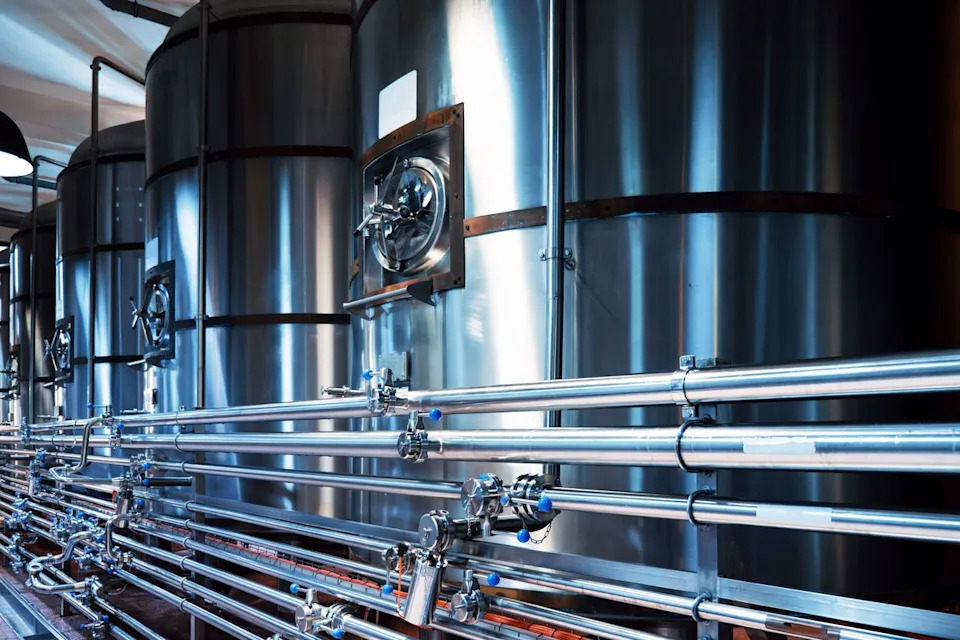
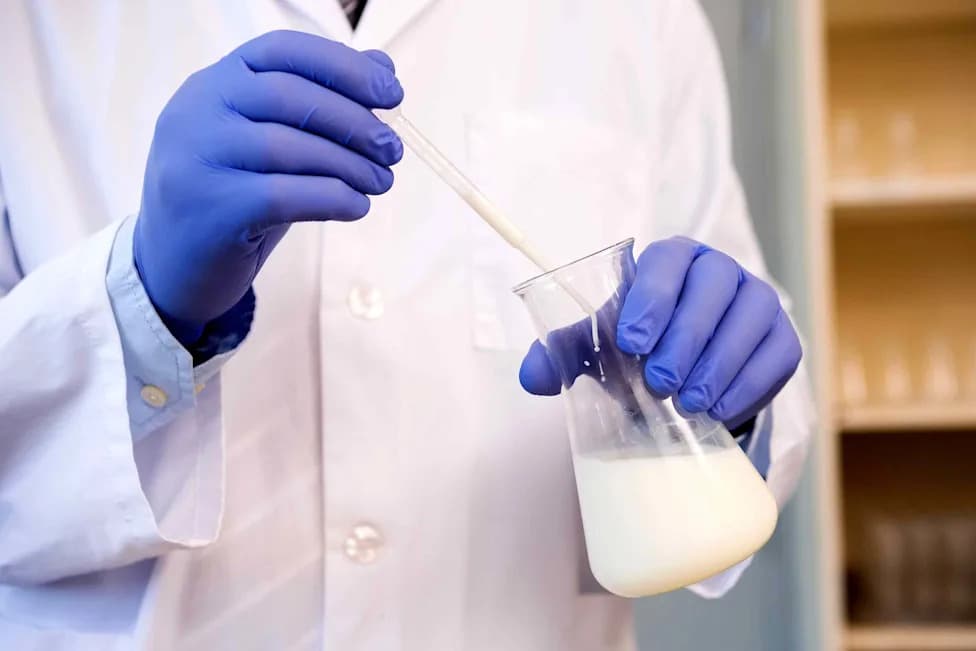
Precision fermentation uses microorganisms rather than cows to produce dairy proteins. Researchers estimate that it could require up to 96% less land than conventional milk production.Credit: DedMityay / Getty Images
However, the results are modelled rather than measured in real-world, full-scale rollouts. Important caveats include:
- Energy and infrastructure: Building the industrial fermentation capacity would require energy and new land-use considerations that the model does not fully capture.
- Fat profile: Precision-fermented milk typically lacks the saturated fat found in whole cow's milk, so it would not be a one-for-one substitute for many cheeses, butters and other products that depend on milk fat.
- Allergen and lactose status: Precision-fermented products often contain true milk proteins (and possibly lactose), making them unsuitable for people with cow's-milk allergies; they are different from plant-based milks in these respects.
- Policy and social factors: Dietary change is politically sensitive. The authors suggest precision fermentation may help policymakers achieve land-use and climate goals without relying solely on controversial measures to reduce animal-product consumption.
Precision-Fermented Milk vs. Plant-Based Alternatives
Precision-fermented milk contains authentic milk proteins produced by microbes and may include lactose, whereas plant-based milks (soy, oat, pea, almond, etc.) are lactose-free, lack true milk proteins and are generally considered vegan. Both approaches eliminate the need for cows but differ in nutrition, allergen profile and suitability for traditional dairy products.
What Comes Next
The researchers recommend more detailed, real-world assessments that include the energy footprint and land-use impacts of new fermentation facilities, alongside taste, cost, regulatory and supply-chain considerations. Policymakers and industry stakeholders will need practical trials and lifecycle analyses before large-scale adoption can be evaluated reliably.
Bottom line: Precision fermentation offers a promising route to substantial land savings in dairy production, but its real-world benefits depend on how energy use, infrastructure and product gaps (like milk fat) are addressed.
Help us improve.