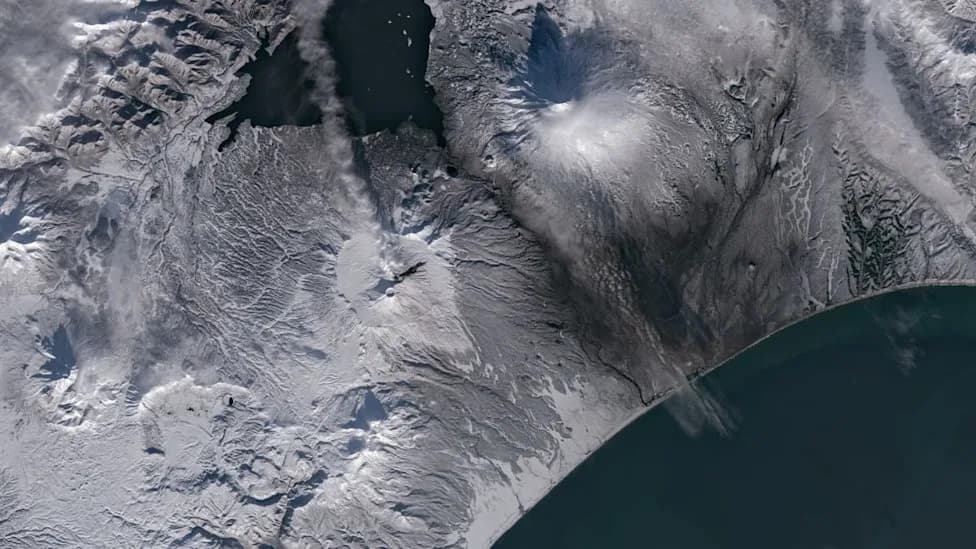
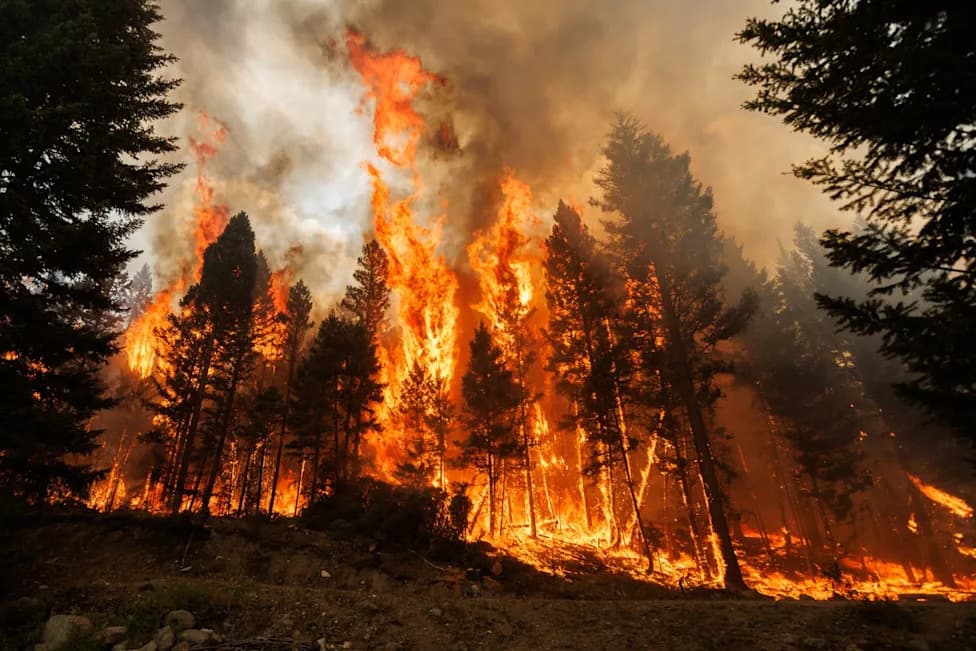
Researchers outlined a worst‑case Yellowstone super‑eruption scenario that could propel ash columns tens of miles high and blanket much of the continental U.S. with ash. The authors estimate a theoretical upper bound of roughly 1.3 billion premature deaths if long‑term effects such as ash inhalation, overwhelmed hospitals and famine unfolded globally. Experts call the paper a thought experiment: the event is geologically plausible but highly unlikely in the near term, and predicting exact timing remains difficult despite continuous USGS monitoring. The piece aims to spur discussion about national preparedness and resilience.
What a Yellowstone 'Super‑Eruption' Could Actually Do: Scientists Outline A Devastating Worst‑Case Scenario
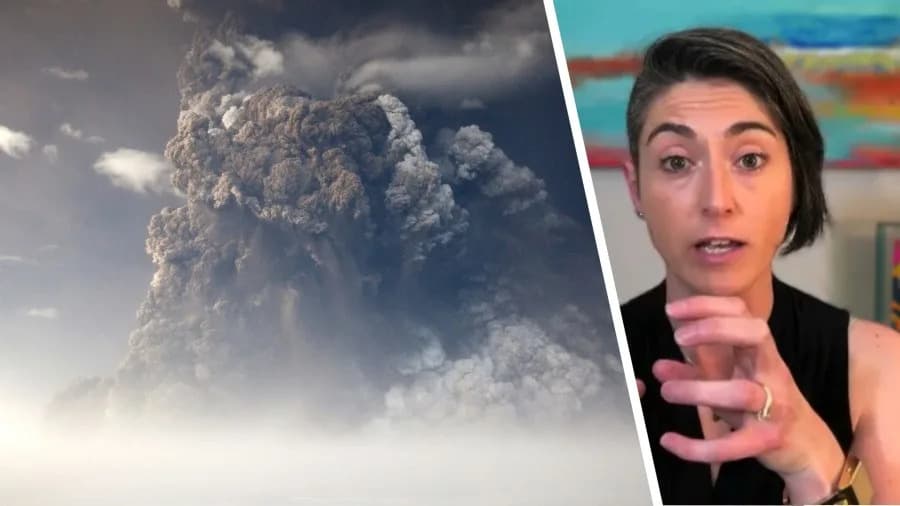
Yellowstone ‘super-eruption’ scenario would devastate US: Scientist
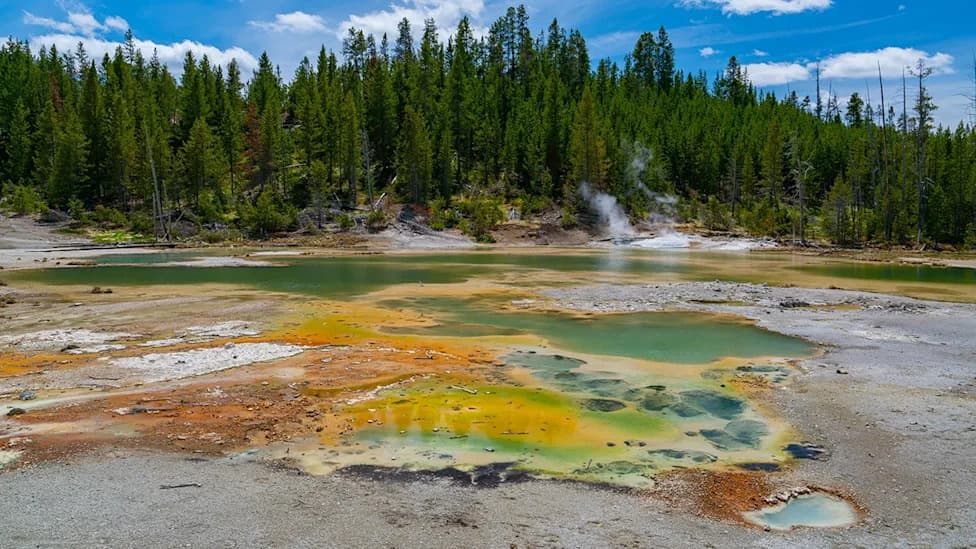
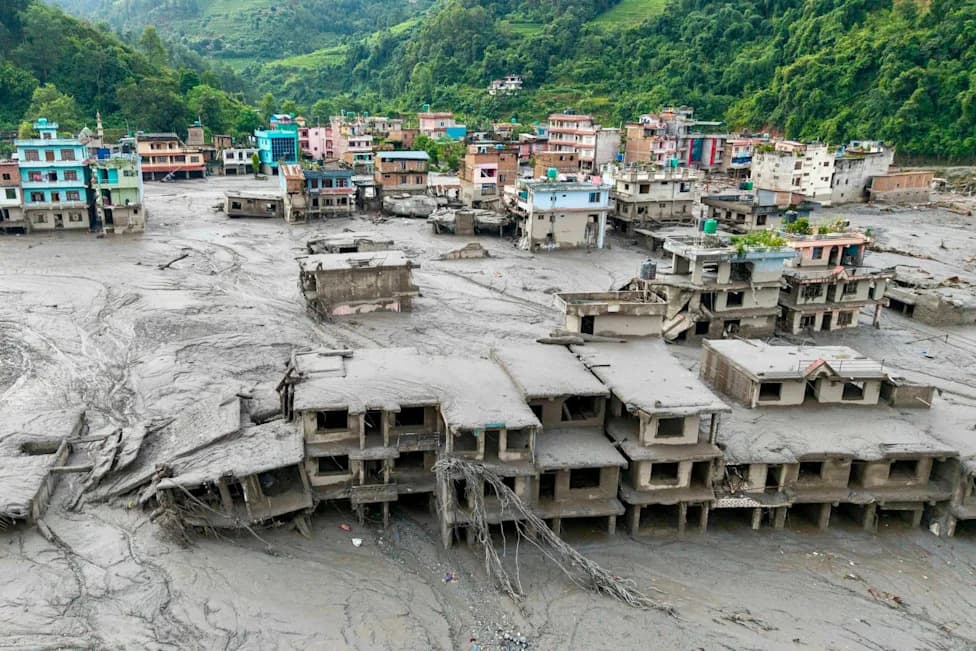
Imagine thousands of American cities buried beneath several feet of volcanic ash, daylight dimmed to near darkness, power grids failing and air so thick it becomes almost impossible to breathe. That stark image is the subject of a recent thought experiment published in The Conversation that maps a worst‑case eruption of the Yellowstone Caldera — often called the Yellowstone "supervolcano." While the scenario is extreme, it is grounded in real geologic history and contemporary monitoring efforts.
What The Paper Describes
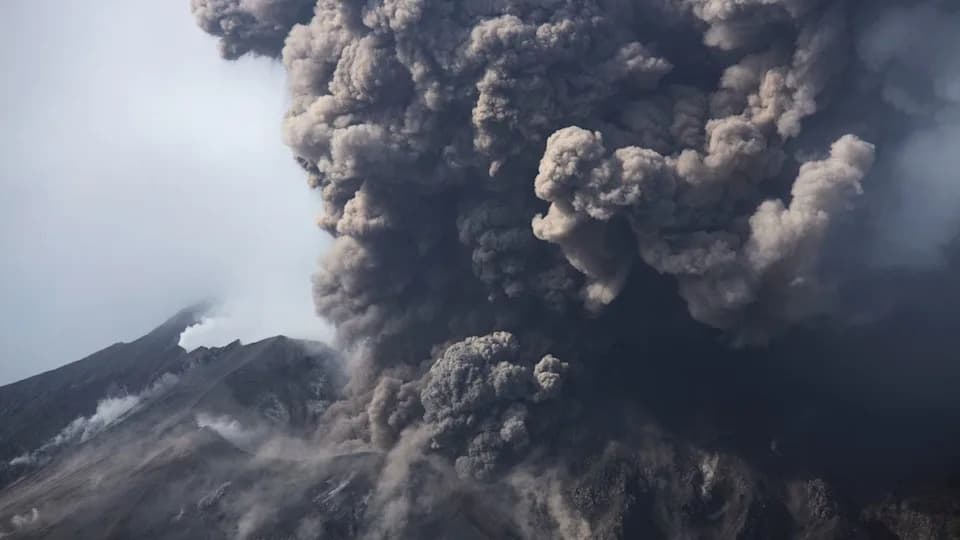
The authors sketch a cascading sequence of effects: a very large eruption sends an ash column tens of miles into the atmosphere (their scenario cites columns of roughly 30 to 50 miles high), spreading a heavy ashfall across much of the continental United States. The paper estimates that, if the most severe chain of consequences unfolded globally, the event could result in as many as 1.3 billion premature deaths — a figure the authors present as a theoretical upper bound rather than a precise forecast.
Experts Weigh In
"It really isn't so much a study as it is a thought experiment," said Dr. Kayla Iacovino, a planetary volcanologist at the SETI Institute, describing the article as a narrative that explores a possible outcome rather than a predictive model.
Kenneth Befus, an associate professor at the University of Texas at Austin, agreed the scenario is plausible in principle and noted the likely primary killers would not be the eruption blast itself but the downstream effects: ash inhalation, overwhelmed hospitals, disrupted supply chains and prolonged food shortages that could lead to famine and disease.
Geologic Context
Yellowstone's geologic record shows the caldera has produced three very large eruptions over the last two million years, the most recent of which occurred about 631,000 years ago. That eruption left thick ash deposits covering roughly 3,000 square miles in a broad triangular pattern that, on a modern map, would extend from parts of the Los Angeles area eastward toward New Orleans and as far north as Fargo, North Dakota.
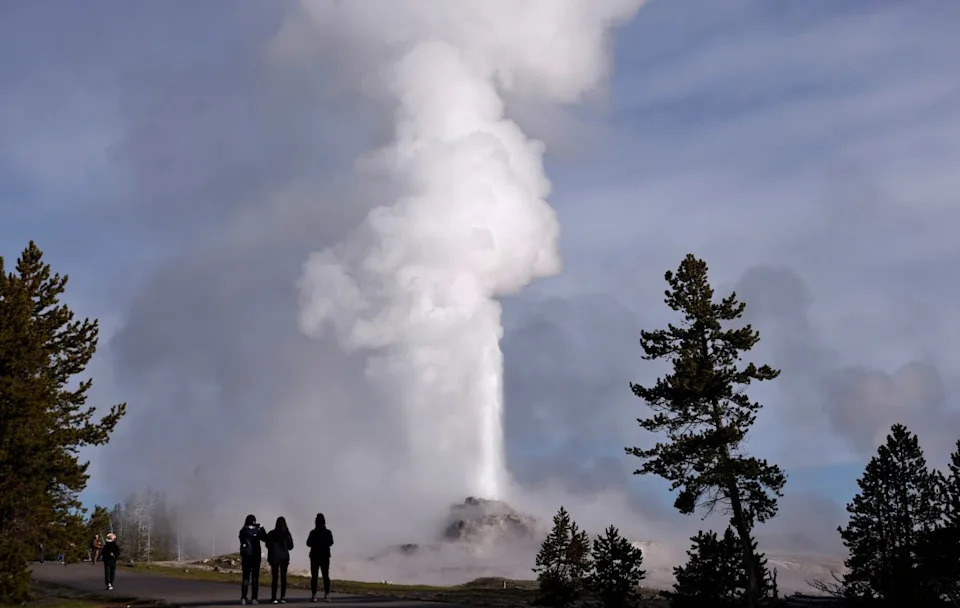
(Photo by Mario Tama/Getty Images)
How Scientists Monitor Yellowstone
Federal and academic teams continuously monitor the Yellowstone region, which spans parts of Wyoming, Montana and Idaho. The U.S. Geological Survey's Yellowstone Volcano Observatory (YVO) operates sensitive GPS networks to detect ground inflation (a sign that magma is moving upward) and dense seismic arrays to track earthquake swarms. According to Iacovino, even small, concentrated earthquake sequences that migrate upward can be important warning signs.
Why Predicting A Super‑Eruption Is Difficult
Both experts caution that forecasting the precise timing of a major eruption remains extremely challenging. Befus noted that volcanic behavior varies: some eruptions occur with little detectable precursor activity, while other systems show years or decades of unrest without culminating in an eruption. Because of that uncertainty, most volcanologists assess that another Yellowstone super‑eruption is unlikely for at least 100,000 years, but no timescale can be guaranteed.
Preparedness And The Bigger Question
Experts emphasize that the hardest questions are societal rather than purely scientific: how governments and communities would protect lives, maintain critical infrastructure, and sustain food and medical systems in the aftermath of a continent‑wide ashfall. The Conversation piece is intended to stimulate discussion about worst‑case planning rather than to predict an imminent disaster.
Bottom line: Yellowstone has produced colossal eruptions in the geologic past and scientists keep careful watch today, but a super‑eruption remains highly unlikely in the near term. That said, exploring worst‑case scenarios helps guide preparedness conversations about cascading risks and long‑term resilience.
Help us improve.