Excavations near Naousa, northern Greece, have revealed the Royal Gymnasium at ancient Mieza, a 30-acre complex where Alexander the Great is believed to have studied under Aristotle. Finds from 2024 include a palaestra, stadium, covered walkways, teaching rooms, water systems and an eastern Didaskaleion with audience benches. Two andrones with traces of ten dining couches and well-preserved mosaics were also uncovered; the mosaics closely resemble those at the palace of Aigai, linking the site to Philip II’s reign. The discovery grounds long-held literary traditions in a tangible historical setting.
Archaeologists Uncover Royal Gymnasium Where Alexander the Great Likely Studied Under Aristotle
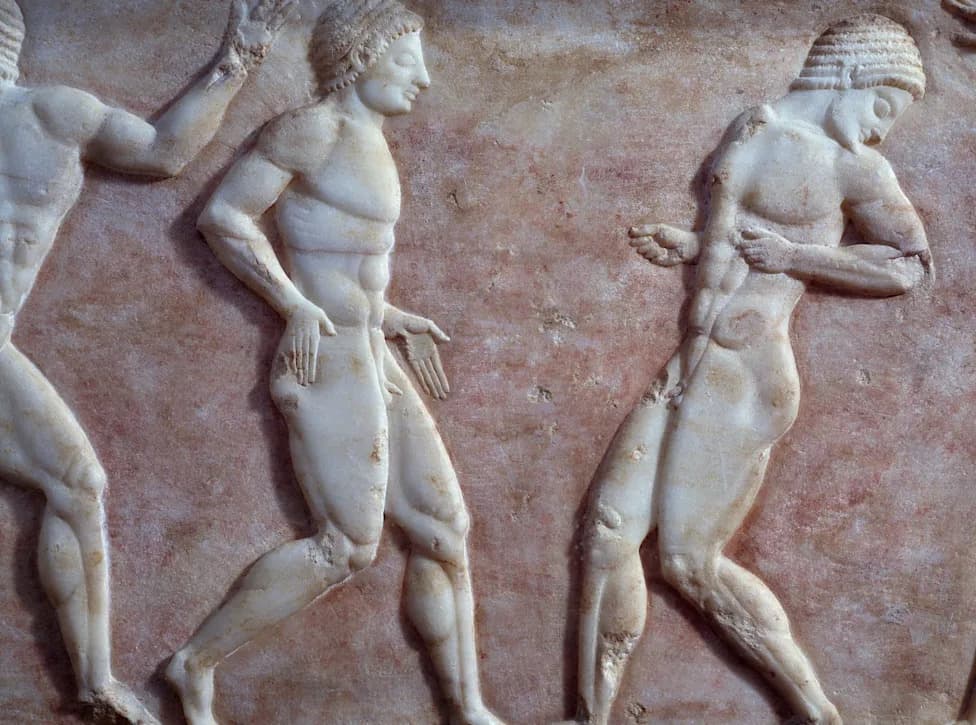
Where Alexander the Great Learned to ConquerDEA / G. DAGLI ORTI - Getty Images
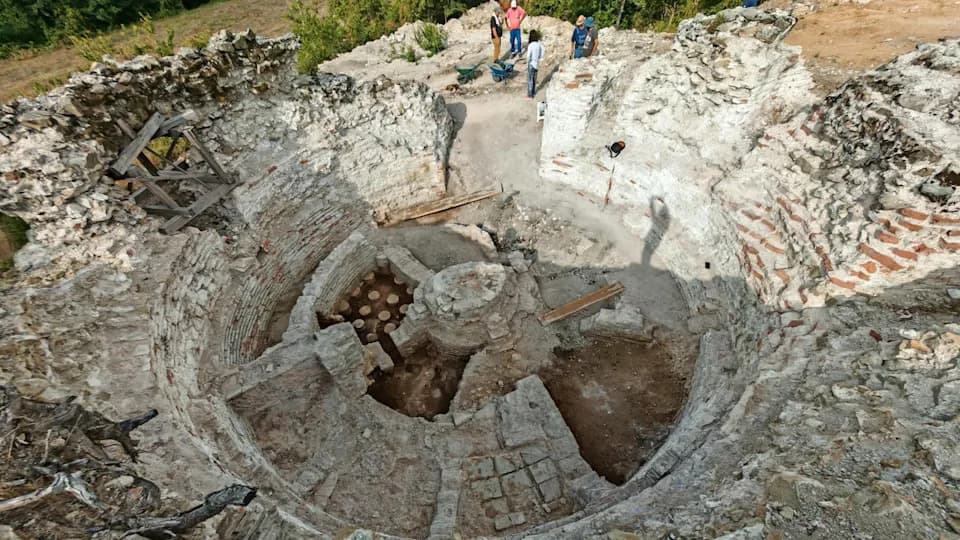
Archaeologists working near Naousa in northern Greece have uncovered an extensive educational and athletic complex at ancient Mieza that may be the very site where Alexander the Great received instruction from Aristotle and trained with future rulers.
Since excavations began in 2024, teams have revealed roughly 30 acres of structures identified as the Royal Gymnasium. Archaeology Magazine reports that the exposed remains include a palaestra (wrestling and exercise area), a stadium, covered walkways, teaching rooms, water-management features and audience seating—features consistent with an elite Hellenistic learning environment.
Evidence From the Eastern Wing
Fieldwork this season focused on the gymnasium's eastern sector, home to the Didaskaleion (the "teaching building"). Excavators documented stone benches likely used by lecture audiences and uncovered two substantial rooms known as andrones, each sized for about 20 occupants and traditionally used for social gatherings and symposia. Traces of ten dining couches were found in each andron, and remarkably well-preserved mosaic floors survive in these chambers.
Mosaics Link the Site to Philip II’s Era
Archaeologists note that the workmanship and construction techniques of the Mieza mosaics closely resemble flooring at the palace of Aigai (Vergina). That palace—built during the reign of Philip II and sometimes associated with the architect Pytheos of Mausoleum at Halicarnassus fame—is one of the largest surviving classical Greek structures and part of a UNESCO World Heritage site. The architectural parallels support dating the Royal Gymnasium to Philip II’s reign, placing it squarely in the period when Alexander received his education.
Three centuries after Alexander's death, Plutarch recorded an episode in which Alexander wept after hearing Anaxarchus discuss an infinite number of worlds, asking why, if worlds were endless, he had not yet become master of a single one. Over time that sentiment was reshaped into the popular line "there were no more worlds to conquer." Finds like Mieza help move the story from rhetoric back into real places.
Why This Matters
Although literary and cinematic retellings have obscured many details of Alexander's life, the Royal Gymnasium offers tangible context for his formative years: the classrooms where he may have attended Aristotle's lessons, the exercise grounds where he trained, and the social spaces where he and peers such as Ptolemy and Cassander dined and debated. These discoveries help historians connect classical texts to specific built environments and refine our understanding of Macedonian royal education.
Source: Archaeology Magazine; excavations ongoing (2024-present).
Help us improve.