Archaeologists at Vrelo-Šarkamen in Serbia uncovered a sophisticated private Roman bath complex in a circular palace tower linked to Emperor Maximinus Daza (310–313 C.E.). The lowest level housed at least three tubs, a steam room (sudatorium), and relaxation chambers, all served by a hypocaust underfloor heating system and the base of a copper boiler. The domed chamber with six windows and the rare preservation of heating infrastructure reveal advanced architectural and technical skill and shed new light on elite Roman domestic life.
Imperial Roman Baths Fit for an Emperor Discovered in Serbia — Advanced Heating System Uncovered
Archaeologists Found an Emperor's Hot TubSusan Steinmann - Getty Images
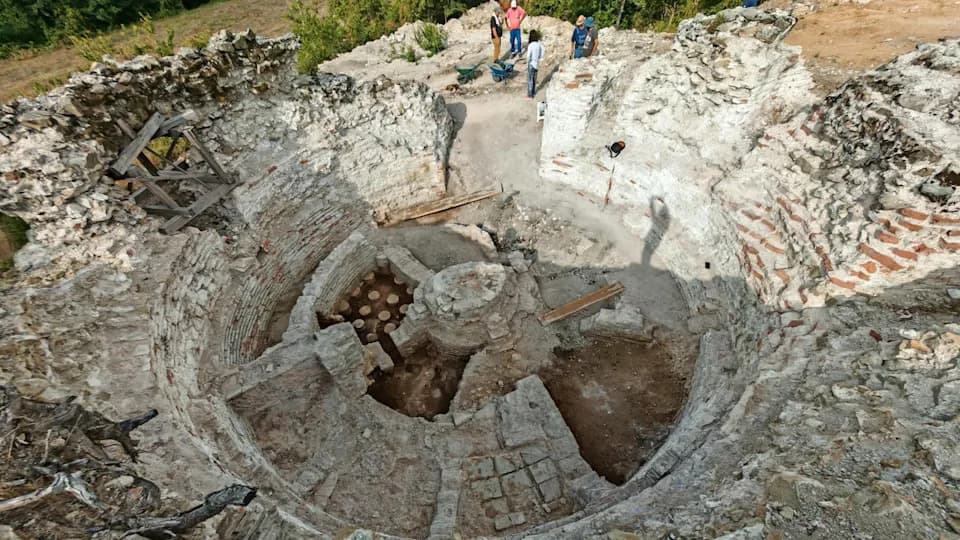
Archaeologists excavating the fortified palace at Vrelo-Šarkamen in Serbia have revealed an elaborate private Roman bath complex tucked inside a circular tower once belonging to Emperor Maximinus Daza (reigned 310–313 C.E.). The finds show a sophisticated suite of bathing rooms served by an underfloor hypocaust system and the remains of a copper boiler, highlighting surprisingly advanced domestic engineering for the period.
What Was Found
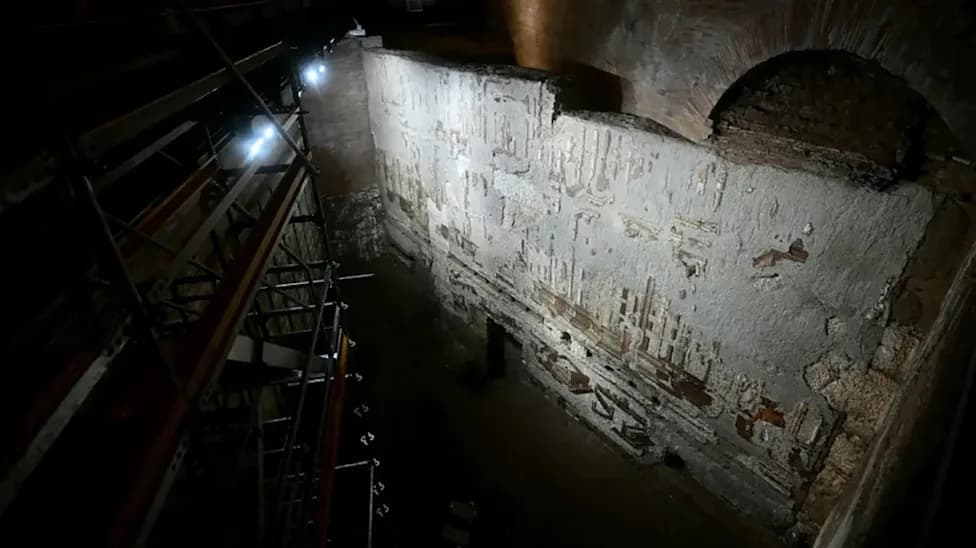
The lowest level of the palace's southwest corner tower contained an abalneum — a private imperial bath — with at least three tubs or pools, a steam room (the Roman sudatorium), and several separate relaxation chambers. Excavators also identified a technical service area where attendants managed the heating and water systems; while the copper boiler is gone, its stone base survives.
Advanced Architecture and Engineering
The circular bathing chambers fit the tower's plan and feature a domed ceiling pierced by six windows. According to the excavation team, integrating multiple openings into a dome required advanced construction skill, indicating a high level of architectural expertise. The hypocaust — a network of raised floors and flues carrying hot air — is unusually well preserved here, allowing researchers to reconstruct how heat and hot water were generated and distributed.
The design testifies to a high level of construction expertise and the exceptional skill of the architect and builders, since integrating openings into a domed structure represented a demanding structural and architectural undertaking.
Context and Leadership
The palace complex is associated with Emperor Maximinus Daza, who lived here during the Tetrarchy. The recent excavations at Vrelo-Šarkamen were led by Marija Jovic of the Archaeological Institute and Gordan Janjic of the Krajina Museum, under the Ministry of Culture of the Republic of Serbia. Teams returned to the site three decades after earlier discoveries of gold jewelry in the nearby mausoleum.
Why It Matters
Because the hypocaust and related mechanical infrastructure are unusually well preserved, this discovery offers rare—and tangible—insight into elite Roman domestic technology and comfort. Far from a simple washroom, the layout and surviving equipment show a private, high-status bathing suite engineered for both convenience and luxury.
Help us improve.