Mozambique is shifting from a transit route for illicit drugs to a growing domestic market, with hospital admissions linked to drug use rising 38% to more than 32,280 cases last year. Authorities report increasing methamphetamine and cocaine flows, and an alarming emergence of fentanyl with over five tonnes seized this year. Regional cooperation has led to arrests and extraditions, but gaps in equipment and specialist capacity hinder prevention and interdiction efforts.
Mozambique’s Drug Crisis Deepens: From Transit Hub to Growing Domestic Market
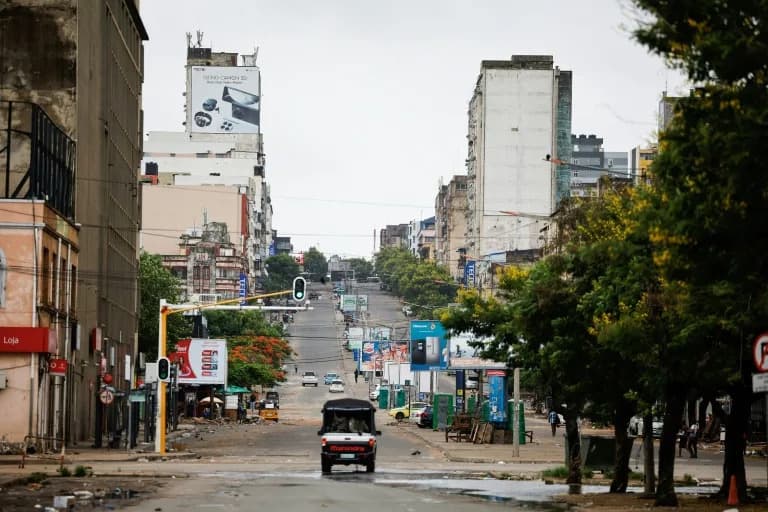
Officials say Mozambique is increasingly a consumer of illicit drugs, not just a transit point in the intercontinental trade (AMILTON NEVES)
In the sweltering heat of Maputo, 27-year-old Elton Raimundo Joaquim spends his days scavenging near the capital’s largest drug den for scrap metal to sell. Once a musician, he says addiction has hollowed out his life.
“I used to record music. I needed inspiration when I went into the studio,” Joaquim said, crouched and explaining how he slid into addiction, as a fly buzzed around an open wound on his shoulder.
Joaquim is one of a growing number of users in Mozambique — a country officials say is shifting from being primarily a transit route for illicit drugs to becoming an active consumer market. Government data show hospital admissions linked to drug use rose 38% last year to more than 32,280 cases, a figure experts believe underestimates the true scale.
Personal Stories and Local Treatment
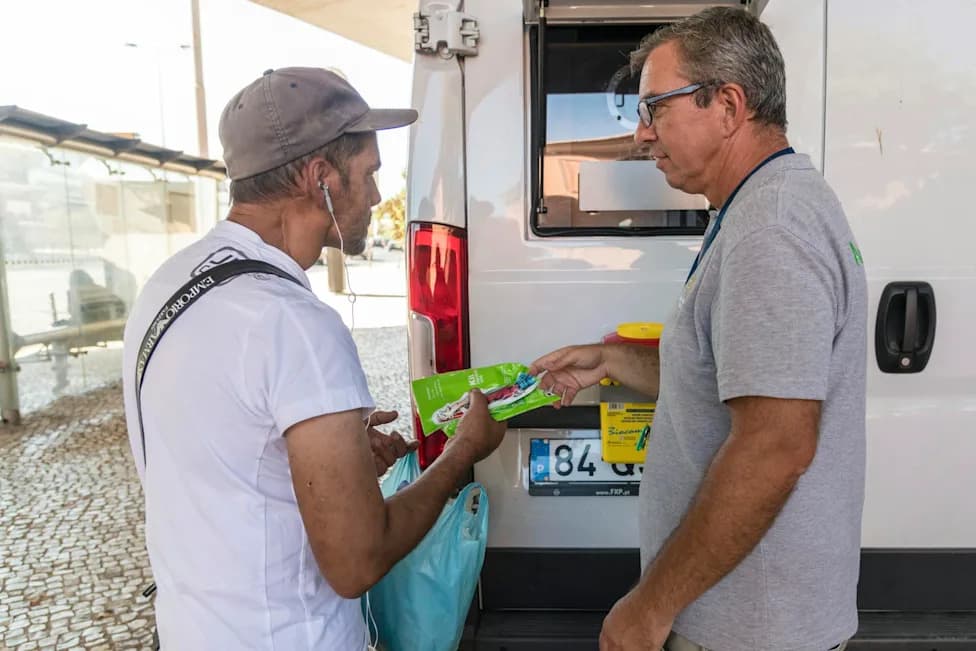
At REMAR, a rehabilitation centre outside Maputo, former patient and university graduate Paulo Ferrao now handles public relations after checking in four years ago. Patients engage in structured activities such as cleaning, metalwork, carpentry and attending religious services as part of recovery.
“We’re receiving more methamphetamine cases, which means heroin is no longer enough for the people behind drug trafficking,” Ferrao said, noting easier access for young people to drugs including crystal meth.
International Connections and Trafficking Routes
Mozambique’s 2,500-kilometre Indian Ocean coastline, porous borders and location along established trafficking corridors have long made it attractive to smugglers, the state drug prevention bureau (GCPCD) says. Officials warn that a portion of drugs passing through the country is now staying and feeding local markets.
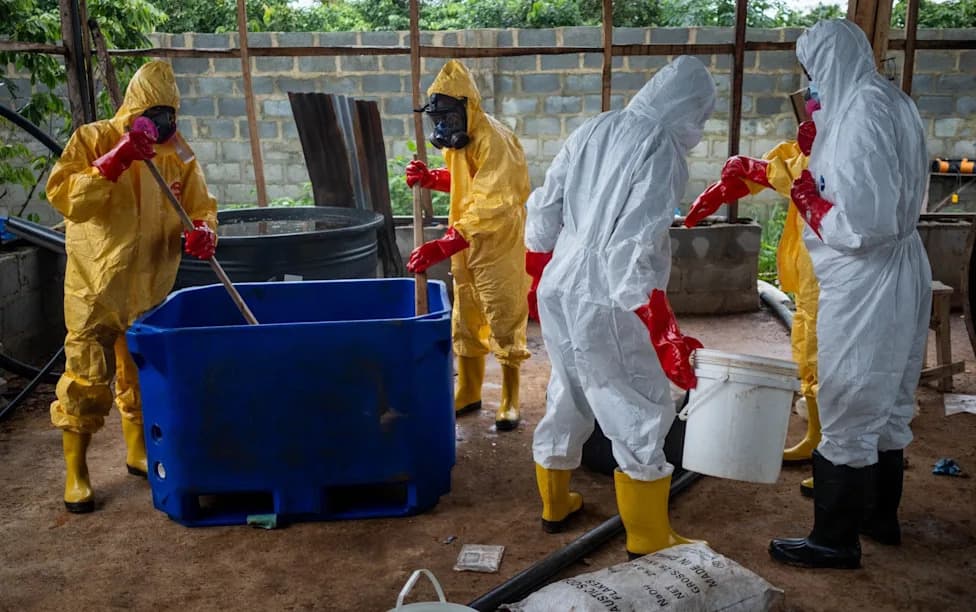
Authorities have stepped up regional cooperation with neighbouring states from Tanzania to South Africa and international agencies to share intelligence and coordinate enforcement. That collaboration recently helped secure the extradition from Botswana of six Mexican nationals accused of manufacturing methamphetamine near Maputo; GCPCD spokesman Jose Bambo also said several other suspects of Mexican origin were arrested this year.
Despite these efforts, Mozambique lacks some key interdiction tools and capacity. Bambo said the country remains short of scanners, trained canine units and specialists to detect shipments before they reach communities, and that traffickers frequently conceal drugs inside cosmetics, snacks and construction materials.
Fentanyl, Cocaine and Local Production
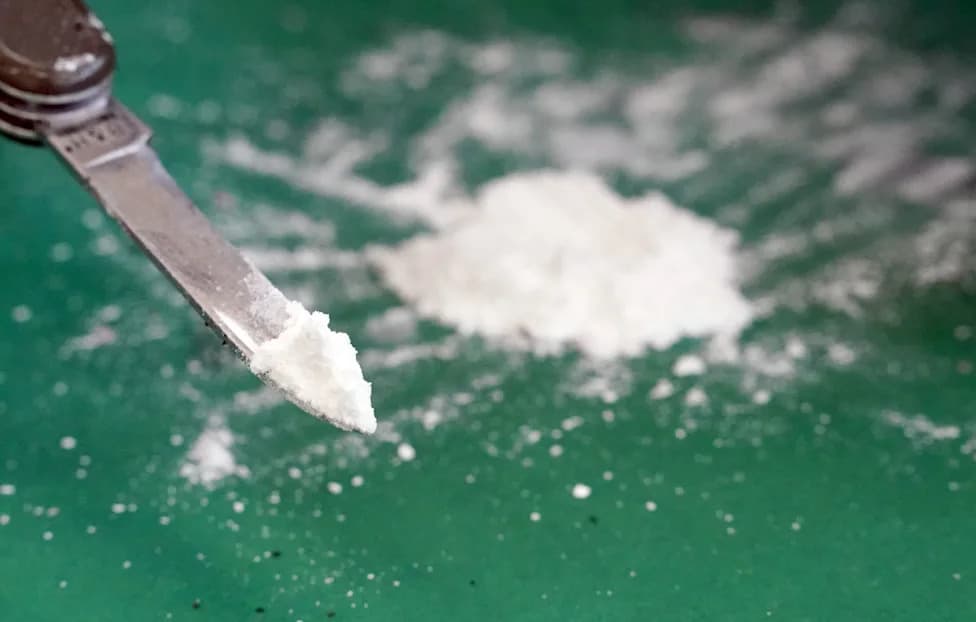
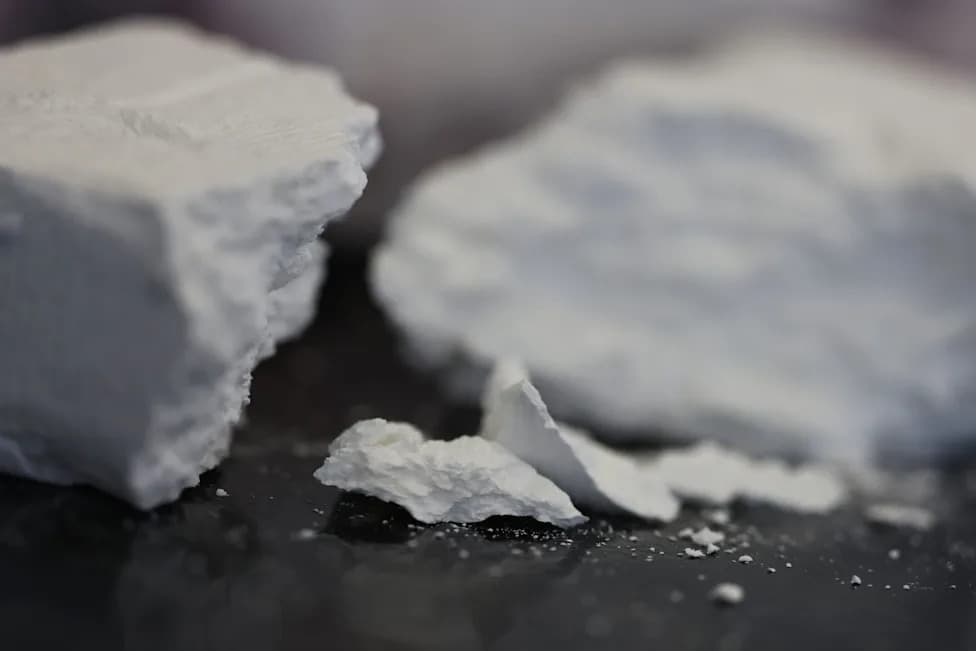
Historically a route for heroin and methamphetamine, Mozambique is now reporting larger flows of cocaine along a so-called “Lusophone route” linking Brazil with Portuguese-speaking countries. Authorities have also flagged the emergence of fentanyl: more than five tonnes of the synthetic opioid have reportedly been seized this year.
Antonio De Vivo, head of the UN drugs office in Mozambique, warned that when a country is a transit point, some shipments typically remain locally. He added that lower-income countries with young populations are especially vulnerable to cheap synthetic drugs. Regional investigations have found manufacturing labs in neighbouring countries — sometimes with alleged involvement by foreign criminal networks — and analysts say local production tends to drive higher consumption.
“Local production will inevitably lead to an increase in consumption,” De Vivo said. “The increase we are recording is steady and continuous, which means the problem is likely to grow unless capacity and prevention measures improve.”
The unfolding situation presents a complex challenge: public-health responses, strengthened interdiction capacity and regional cooperation will be needed to curb consumption and dismantle organized networks that have diversified into synthetic drugs and local manufacturing.
Help us improve.