The Taliban government says Pakistani air strikes killed four civilians and struck provinces including Kandahar, Paktia and Khost. Pakistan says it hit 10 targets it identified as military objectives, in retaliation for a deadly 18 September attack on a Pakistani police compound. UNAMA has reported hundreds of civilian casualties from recent cross-border violence, and attempts at a lasting ceasefire and international mediation have so far failed. Both sides exchange accusations, raising the risk of further escalation.
Pakistani Air Strikes Kill Civilians in Afghanistan, Taliban Says — Tensions Escalate
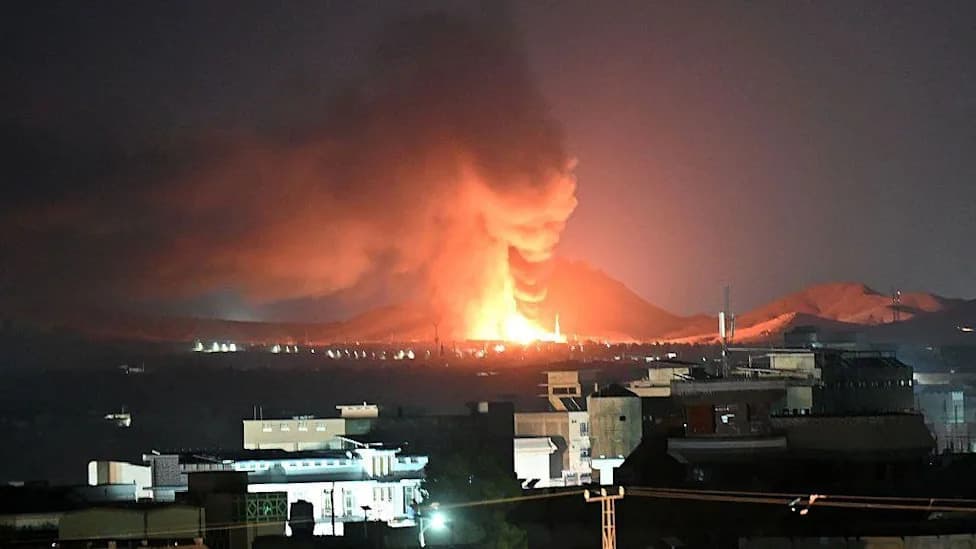
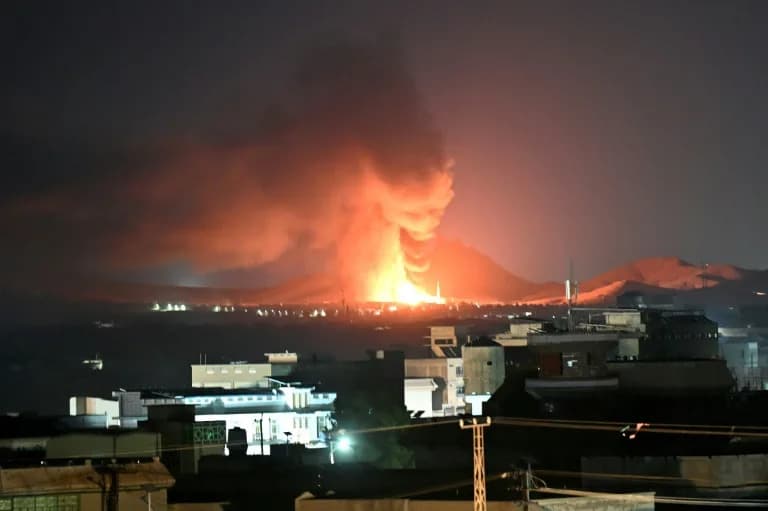
Flames and smoke rise from an area struck by an air strike in Kandahar on Thursday [AFP via Getty Images]
Afghanistan's Taliban administration says a fresh wave of Pakistani air strikes killed four civilians and struck multiple provinces, renewing a steep escalation between the neighbouring countries.
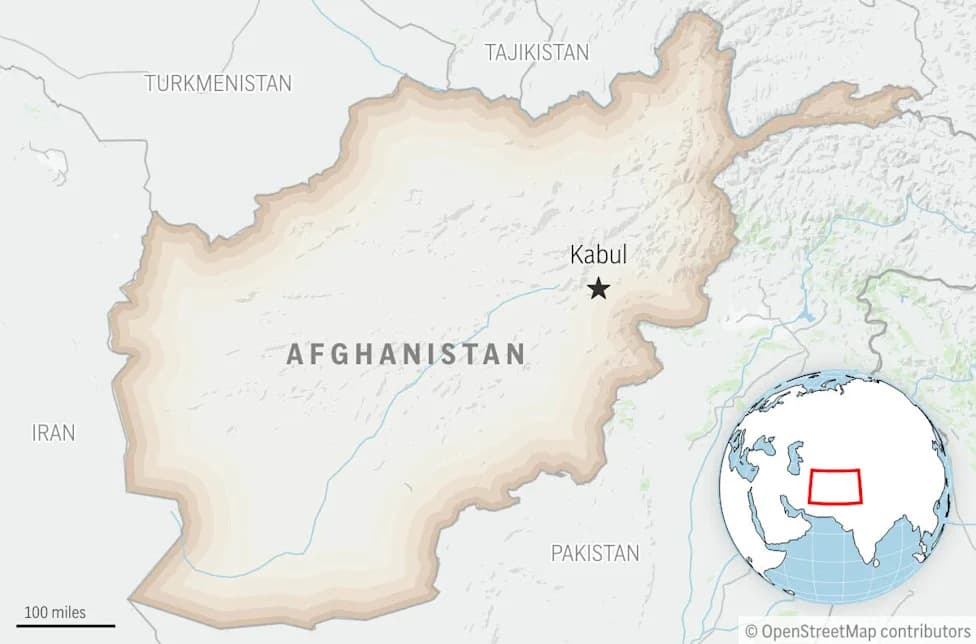
Sources told the BBC the raids hit several provinces including Kandahar — the Taliban's traditional power base. An AFP witness in Kandahar reported hearing a jet, a large explosion and a subsequent fire in the city.
Pakistan confirmed it had struck 10 targets inside Afghanistan but did not specify locations, saying the operations were "strictly limited to identified military objectives." Islamabad said the strikes were in response to an attack on a police facility inside Pakistan on 18 September that killed at least 31 people, an assault claimed by a group linked to Tehreek-e-Taliban Pakistan (TTP).
Taliban government spokesman Zabihullah Mujahid identified Kandahar, Paktia and Khost among the provinces hit. He warned of an "appropriate response" and described the strikes as "reckless, careless and hostile."
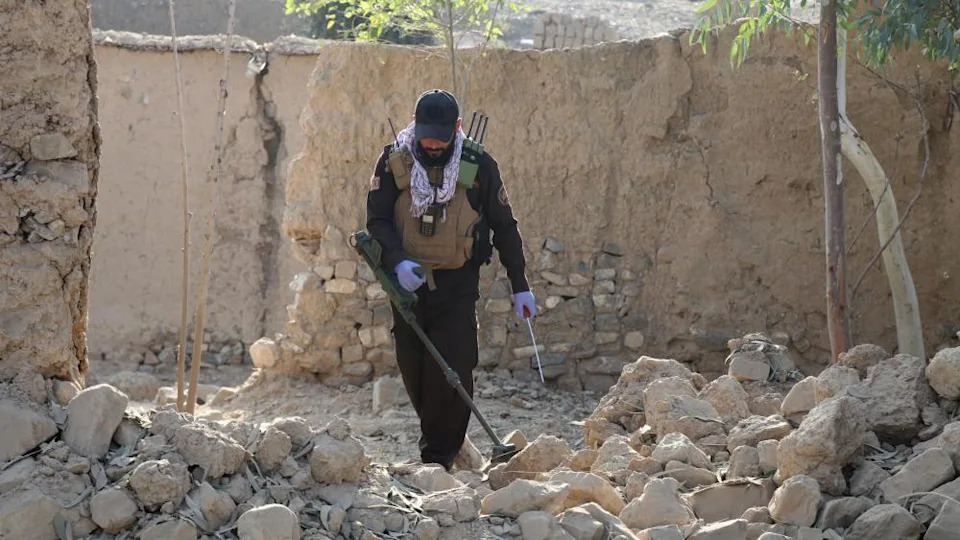
A Taliban security official inspects the scene of Pakistani air strikes in Khost [EPA]
Local reports were mixed. In Paktia, a Taliban official said jets bombed the 203 Mansouri Corps, a unit now controlled by the Taliban, but gave no casualty figures. In Khost, a spokesman said houses were damaged but initially reported no casualties. Residents described panic and damage; one witness told Reuters there was "no military base here" and only civilian homes.
Pakistan's response: Information Minister Attaullah Tarar called the strikes "deliberate, precise, calibrated, and proportionate," saying they targeted military objectives linked to attacks against Pakistan.
Earlier this week, Pakistan said it had launched air strikes in the border region that it claimed killed 28 militants. Taliban spokesmen and UNAMA (the UN mission in Afghanistan) reported civilian casualties in related strikes — UNAMA noted heavy civilian tolls from cross-border fighting in a recent report.
UNAMA said in July that cross-border armed violence between Taliban government forces and Pakistani security forces killed at least 499 civilians and wounded 1,216 others between October 2025 and June 2026. The deadliest single incident was a March strike on Kabul that reportedly killed more than 269 people; the Afghan Taliban said it struck a drug rehabilitation centre, a claim Islamabad denied.
Both neighbours agreed a ceasefire in March, but international mediation has so far failed to secure a lasting settlement. Pakistan's foreign minister called for "concrete and verifiable" measures at a recent UN meeting to ensure Afghan territory is not used for terrorist attacks.
As accusations and denials continue — including conflicting claims about drones launched into Pakistani territory — the risk of further cross-border retaliation and continuing civilian harm remains acute.
Help us improve.