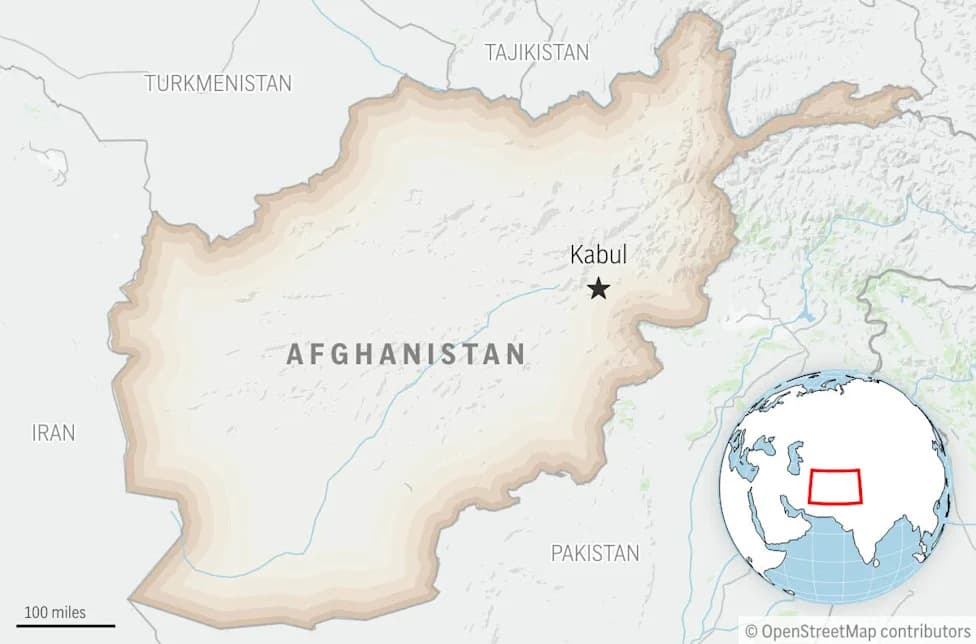
Pakistan says it carried out precision air and drone strikes on 10 locations in Afghanistan after a Kandahar resident reported an overnight explosion. Islamabad maintains the operations targeted military objectives tied to attacks on Pakistan, while the UN reports civilian deaths in earlier eastern strikes. Cross-border tensions have escalated following a deadly attack on a Pakistani police HQ and stalled diplomatic mediation.
Pakistan Confirms Precision Air and Drone Strikes in Afghanistan After Kandahar Explosion
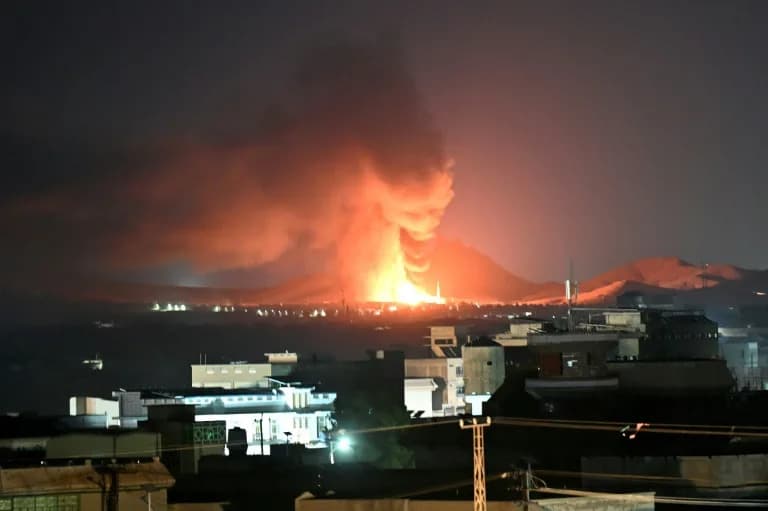
Pakistan's minister of information said its forces had struck 10 targets in Afghanistan (STR)
Pakistan confirmed overnight air and drone strikes on 10 locations in Afghanistan after a resident in Kandahar reported hearing a jet, a large explosion and seeing a fire in the city's centre early Thursday.
Information Minister Attaullah Tarar said the operations were "precision aerial and drone strikes" against identified military objectives linked to attacks on Pakistan. He described the strikes as "deliberate, precise, calibrated and proportionate." Pakistan has not publicly named all target locations.
Attaullah Tarar: "Pakistan conducted precision aerial and drone strikes against 10 locations in Afghanistan. The strikes were ... strictly limited to identified military objectives directly linked to the attempted attacks against Pakistan."
Local Afghan officials told AFP that strikes overnight hit two eastern provinces. In Paktia, jets struck the Afghan army's 203rd Mansouri Corps, the governor's spokesman Mohammad Rasool Ahmadi said; he did not provide casualty figures. In neighbouring Khost province, governor's spokesman Mustaghfa Gurbaz said strikes did not cause reported casualties.
The United Nations said earlier this week that at least three civilians were killed in strikes in eastern Afghanistan; Pakistan said its recent operations killed 28 militants. Cross-border strikes in the frontier region are frequent, but attacks on major Afghan cities remain relatively uncommon.
Background
Fighting between Afghanistan and Pakistan flared into open conflict in late February, during which both Kandahar and the capital Kabul were struck. The UN mission in Afghanistan (UNAMA) reported that weeks of violence killed hundreds of Afghan civilians. Although a ceasefire was agreed in March, international mediation has so far failed to produce a lasting settlement.
Islamabad says the Afghan Taliban government has allowed "terrorist sanctuaries," notably for Tehreek-e-Taliban Pakistan (TTP) militants, and has pressed Kabul to take action. Afghan officials deny the accusations and assert that Pakistan harbours hostile groups and violates Afghanistan's sovereignty.
The latest strikes follow a deadly assault on a Pakistani police headquarters in the country's north last week that killed at least 31 people; that attack was claimed by a group linked to the TTP. The episode has further heightened bilateral tensions and complicated mediation efforts.
What Remains Unclear: Independent verification of the full scope and casualties of these strikes remains limited. International monitors and news agencies continue to seek on-the-ground confirmation.
Help us improve.