Filmmaker Richard Sidey captured a dramatic iceberg calving off Ilulissat, Greenland, at about 3 a.m., showing a massive section of ice collapsing and generating a coherent train of waves. While the footage is visually spectacular and the waves are real, glacial‑calving events are extremely dangerous due to collapsing ice and chaotic waters. A tiny group of extreme surfers—most notably Garrett McNamara and Kealii Mamala in 2007 and Eurico Romaguera in 2024—have chased and occasionally ridden these rare waves.
Greenland Iceberg Collapse Sends Massive Shock Waves — Filmmaker Captures Spectacular Calving
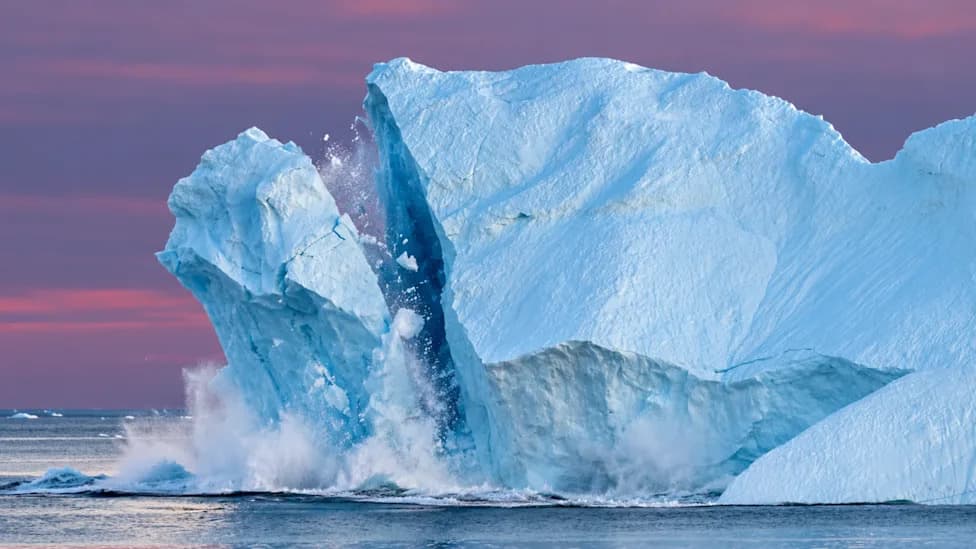
Greenland Iceberg Implodes and Fires Off Shock Waves Across the Arctic (Video)
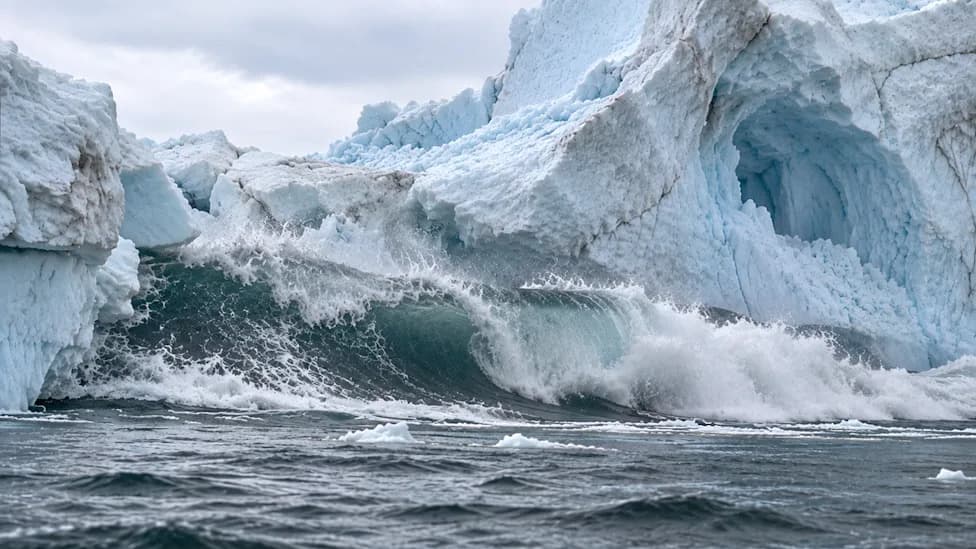
Nature filmmaker Richard Sidey filmed an extraordinary iceberg calving off Ilulissat, Greenland, after heading out alone at about 3 a.m. while jet‑lagged. What began as distant "growling and cracking" turned into a dramatic collapse that sent spray skyward and generated a coherent train of waves rolling away from the site of impact.
What the Footage Shows
The video captures a huge section of a floating iceberg peeling away and slamming into the sea with enormous force. The impact displaces enough water to produce an organized series of waves—rare, powerful pulses that radiate outward from the collapse.
"There is no AI on any of my videos." — Richard Sidey
Another Clip: Chaotic Calving
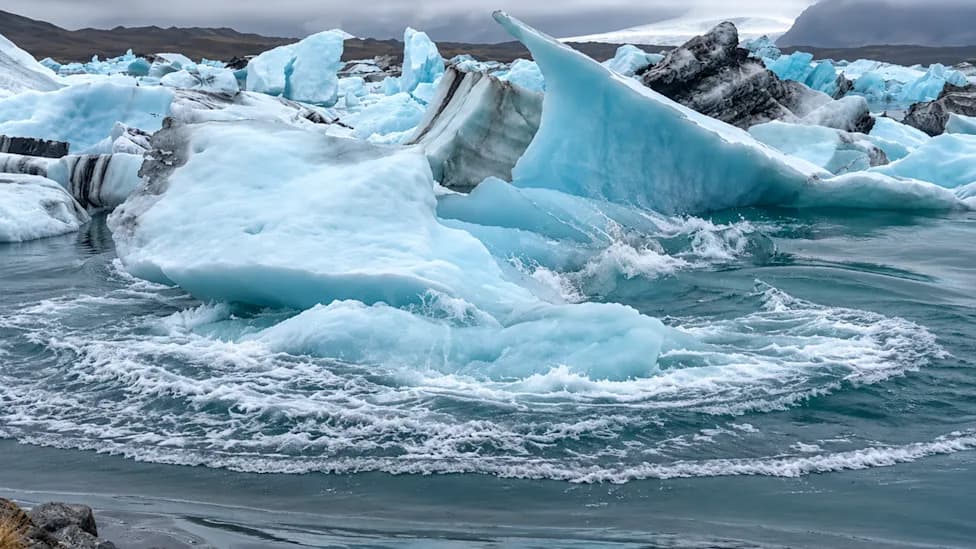
Sidey also recorded a separate, more chaotic event in which large blocks toppled into the ocean one after another. That kind of multi‑block collapse turns the water below into a churning, debris‑filled mess—visually striking but far too dangerous or unpredictable to be considered surfable.
Surfers and Glacier‑Calving Waves
Glacial‑calving waves are real, and a very small number of extreme surfers have intentionally chased them. In 2007, Garrett McNamara and Kealii Mamala traveled to Child's Glacier on Alaska's Copper River and are widely credited as the first to ride waves produced by glacier calving. Surfline reported that ice faces taller than 400 feet generated waves of roughly 20–25 feet that sometimes peeled for hundreds of yards.
More recently, in 2024, Eurico Romaguera was reported to have become the first surfer to ride a glacier‑calving wave in Greenland. Such feats highlight the extreme risks and narrow margins involved: large waves can form, but they are accompanied by collapsing ice, floating debris, and unpredictable currents.
Why It's Dangerous
When an immense volume of ice plunges into the ocean it can create significant waves, but the surrounding collapse—additional ice falls, underwater instability and unpredictable currents—makes conditions exceptionally hazardous. Even experienced riders describe the pursuit as far more dangerous than typical big‑wave surfing.
Originally published by Surfer. Video captured by Richard Sidey.
Help us improve.