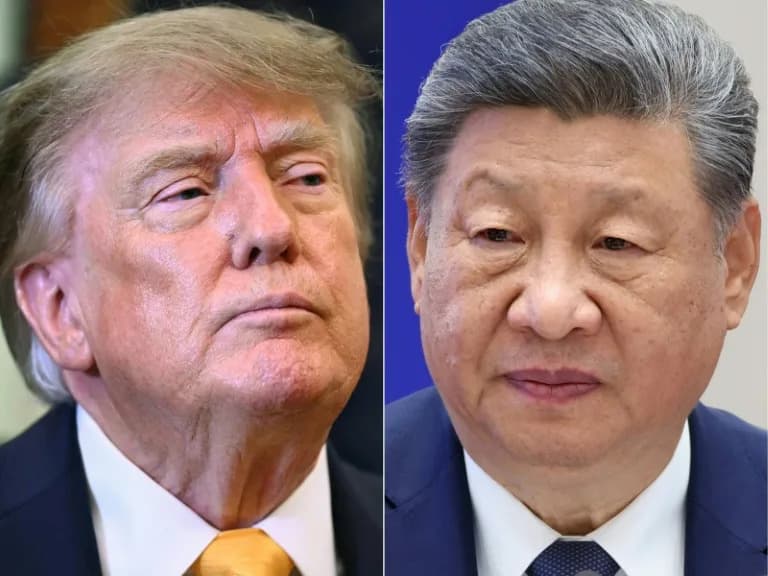
The U.S. and Japan held a senior-level meeting on Sept. 10 to address shortfalls of yttrium, a rare earth metal essential for jet engine coatings and semiconductor tools, two weeks before the Trump–Xi summit. Chinese export controls and a new licensing regime have disrupted shipments, with customs data showing zero U.S.-bound yttrium in several months this year. Officials discussed U.S.-Japan collaboration to diversify supplies and strengthen supply chain resilience; specific outcomes were not disclosed.
U.S. and Japan Hold Senior Talks on Yttrium Shortages Ahead of Trump–Xi Summit
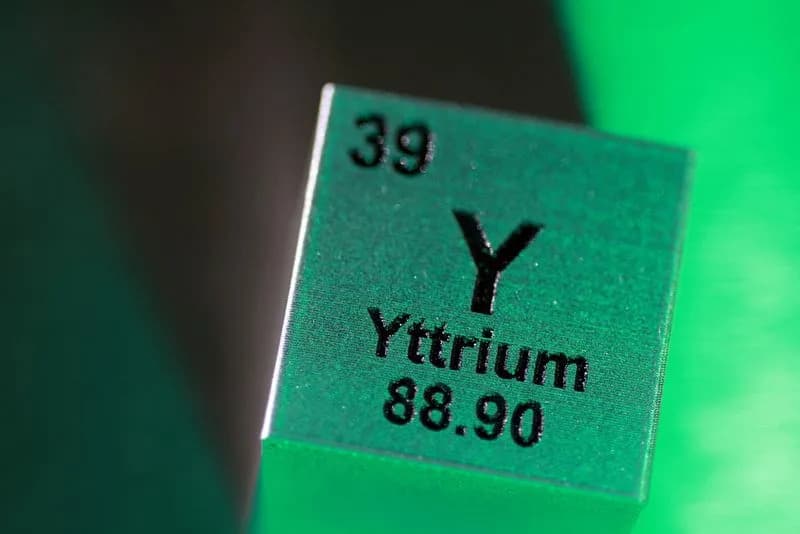
A block with the symbol, atomic number and mass number of Yttrium (Y) element, in this illustration taken January 21, 2026. REUTERS/Dado Ruvic/Illustration
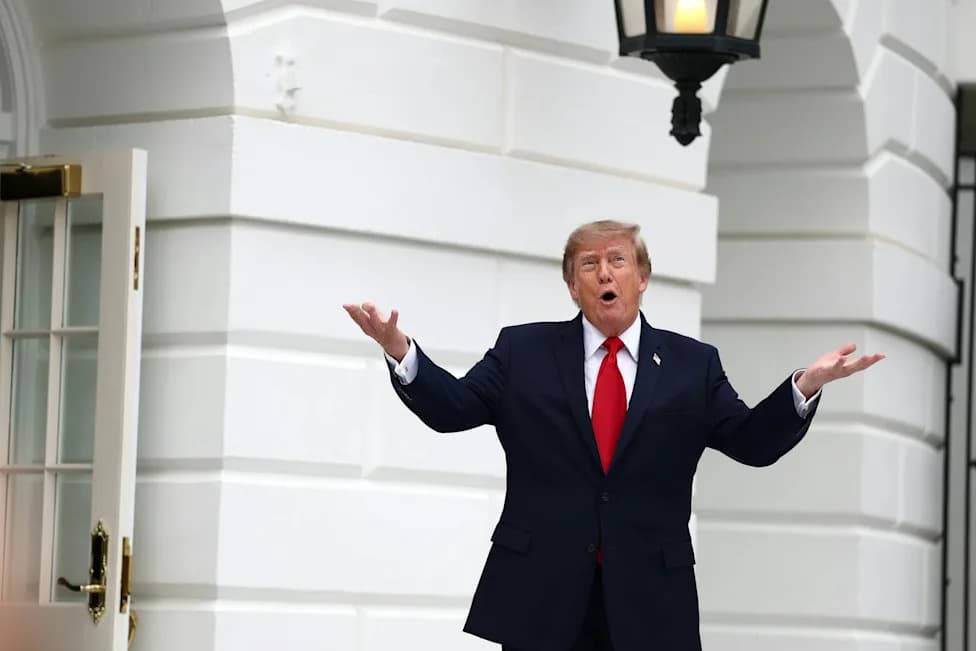
U.S. and Japanese government and industry representatives convened on Sept. 10 to discuss growing shortages of yttrium, a rare earth metal vital to aerospace and semiconductor manufacturing, two weeks before President Donald Trump’s meeting with Chinese President Xi Jinping, according to an invitation viewed by Reuters.
The session, organized by the U.S. administration, was described in the emailed invitation as offering “an opportunity for candid discussion of current and emerging strategic supply chain bottlenecks with a specific focus on permanent magnet and yttrium supply chains.” The meeting was hosted by the U.S. Department of Energy and included Japan’s Ministry of Economy, Trade and Industry as well as private-sector participants.
Why Yttrium Matters
Yttrium is a silvery rare earth element with few practical substitutes. It is used in heat-resistant coatings for jet engine turbine blades, components in power plants and tools for semiconductor fabrication. Because of those uses, disruptions to yttrium flows can halt production across aerospace, energy and high-tech supply chains.
Diplomatic Context and Industry Impact
The meeting came amid strained trade relations after China introduced a new licensing regime covering a small set of critical minerals — including yttrium — following retaliation over U.S. tariffs imposed in April 2025. Reuters reporting and Chinese customs data show zero U.S.-bound shipments of yttrium in January, May and June of this year, a disruption that has been linked to production stoppages at some companies.
“The timing underscores that there have been yttrium flow problems this year,” said Emily Benson, head of strategy at advisory firm Minerva Technology Futures, adding that Washington is especially focused on rare earths with military applications.
The Energy Department declined to comment on specifics of the meeting but welcomed Japan’s partnership and encouraged companies in both countries to “launch critical minerals projects as part of broader efforts to diversify supply chains and strengthen long-term global energy security.”
The Chinese Embassy defended Beijing’s export controls as lawful and “in line with international practice,” and said China remains committed to maintaining stability in global critical mineral supply chains.
Commercial and Political Fallout
Industry sources and filings suggest substantial disruption. More than two-thirds of nearly 200 filings by Japanese companies to the Tokyo Stock Exchange in May and June that mentioned rare earths said export controls were already harming business or could do so. U.S. firms also faced delays: Reuters previously reported that U.S. officials intervened with Beijing to secure approvals for a large U.S. company that said it was losing hundreds of millions of dollars a month while awaiting an export license.
Analysts say the Sept. 10 discussions aimed to identify opportunities for U.S.-Japan collaboration to bolster supply chain resilience, though the meeting’s specific outcomes were not publicly disclosed.
What’s next: Officials and companies in both countries are expected to explore diversification of supply, joint projects on critical minerals, and diplomatic channels to ease export bottlenecks as they monitor shipments and enforcement of China’s licensing regime.
Help us improve.