A third person has died in a rare cluster of malaria cases being investigated as possible "airport malaria" after authorities linked infections to the Frankfurt Airport area. Two other non-travel-related cases near the airport remain alive; six airport employees had earlier contracted malaria without recent travel. Traps set in July and August captured insects for lab testing, and results are pending. Health officials have warned doctors to consider malaria in patients with fever and urged local residents to seek care promptly for suspicious symptoms.
Third Death Reported in Rare 'Airport Malaria' Cluster Near Frankfurt Airport

Frankfurt Airport/Facebook
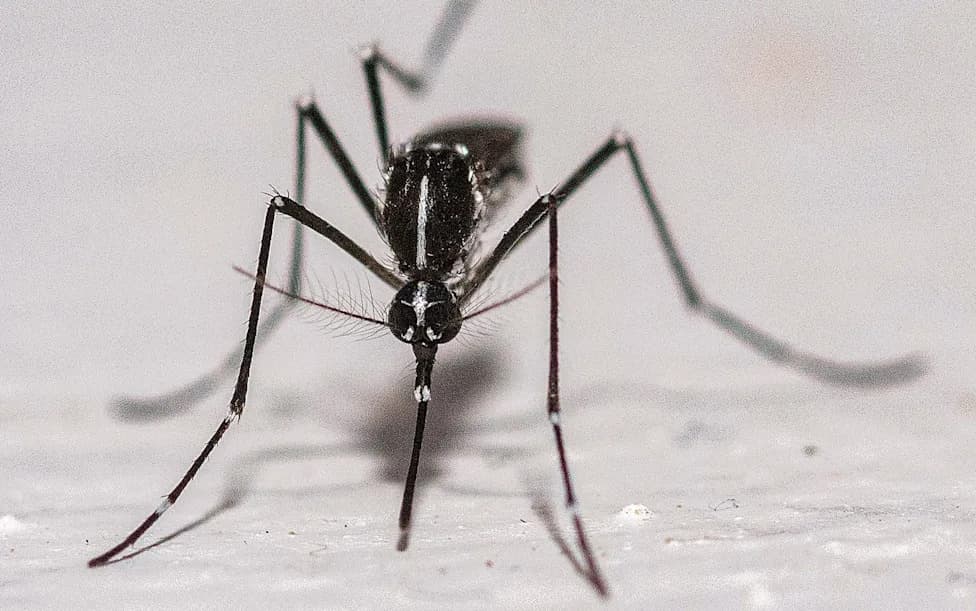
A third person has died following a rare cluster of malaria cases that authorities believe may be linked to an infected mosquito that was trapped aboard an airplane bound for the Frankfurt Airport area in Germany.
Local officials, citing a city administrator and reporting by Al Jazeera, said the latest victim was not an airport employee and died in hospital. Two additional cases have been confirmed in the same neighborhood near the airport; both patients are currently alive and had not recently traveled to malaria-endemic regions.
Ingram Publishing/Newscom/The Mega Agency
What Authorities Say
Investigators are exploring the possibility of so-called "airport malaria," a rare phenomenon in which malaria-carrying mosquitoes are accidentally transported on aircraft from regions where the disease is present. Earlier reports noted six Frankfurt Airport employees had contracted malaria despite having no recent travel history to at-risk areas.
Testing and Precautions
Health teams set mosquito traps in July and August and sent captured insects to a laboratory for analysis; results have not yet been returned. Meanwhile, airport travelers, staff and nearby residents have been warned and asked to be vigilant for symptoms.
Medical Guidance
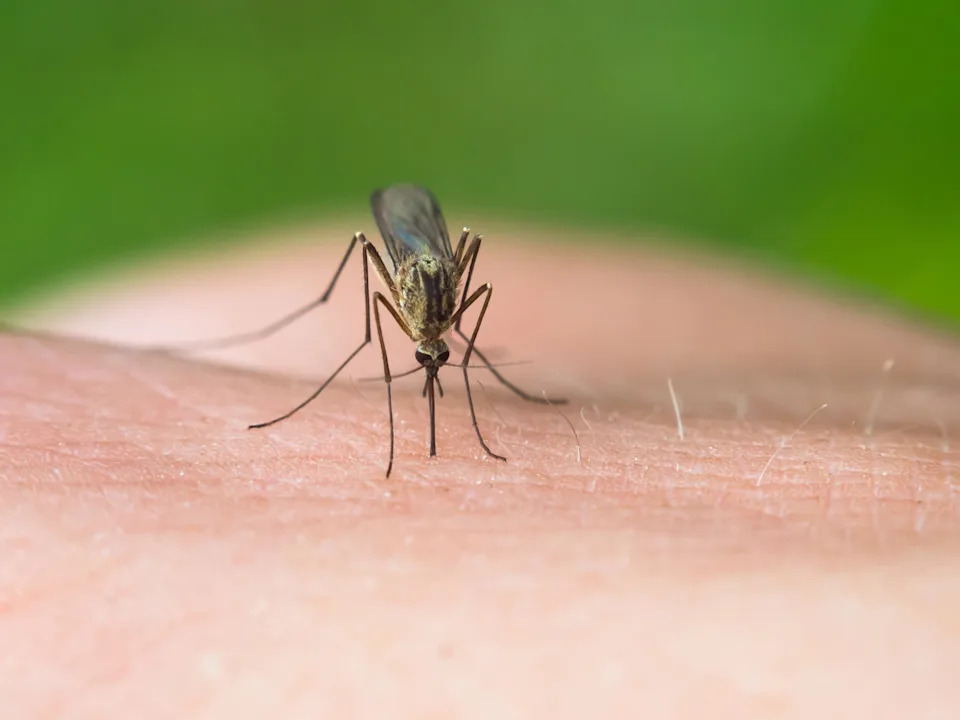
German health authorities have advised clinicians to consider malaria when diagnosing patients presenting with fever, even if those patients lack travel histories to malaria-prone regions. According to the U.S. Centers for Disease Control and Prevention (CDC), malaria is transmitted by infected female Anopheles mosquitoes and is not spread by casual person-to-person contact.
Key takeaway: While airport malaria is rare, prompt diagnosis and treatment are critical. Anyone in the affected area with fever, chills, or flu-like symptoms should seek medical attention and tell clinicians about possible local exposure.
Help us improve.