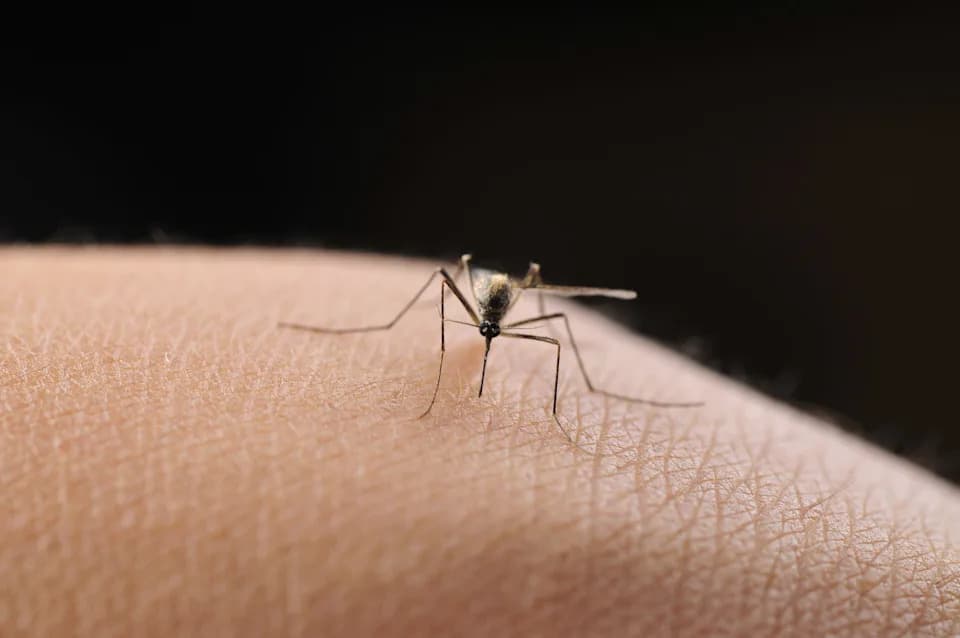
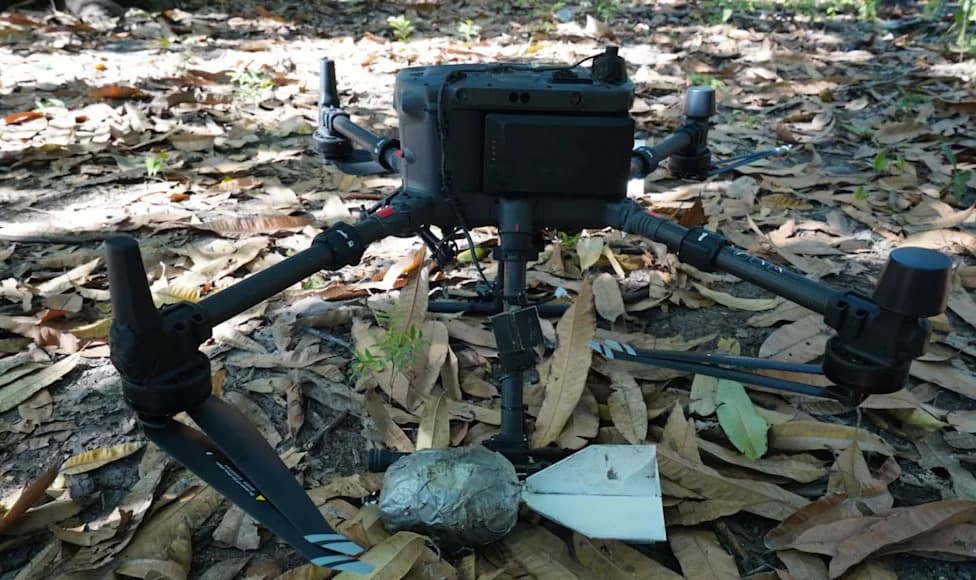
Montpellier-based Terratis is releasing millions of sterile male Asian tiger mosquitoes into French cities to reduce local populations and lower the risk of dengue, chikungunya and Zika. The sterile-male technique—males irradiated with X-rays—aims to cut local mosquito numbers by 70–90% where sustained releases occur. The tiger mosquito, present in 83 of mainland France's 96 departments, is spreading north at about 20 km per year, with recent heatwaves and rain driving a population spike. Terratis plans to scale production and staffing by 2028 as authorities monitor mosquito-borne disease risks.
France Deploys Millions of Sterile 'Tiger' Mosquitoes to Combat Rising Dengue Risk
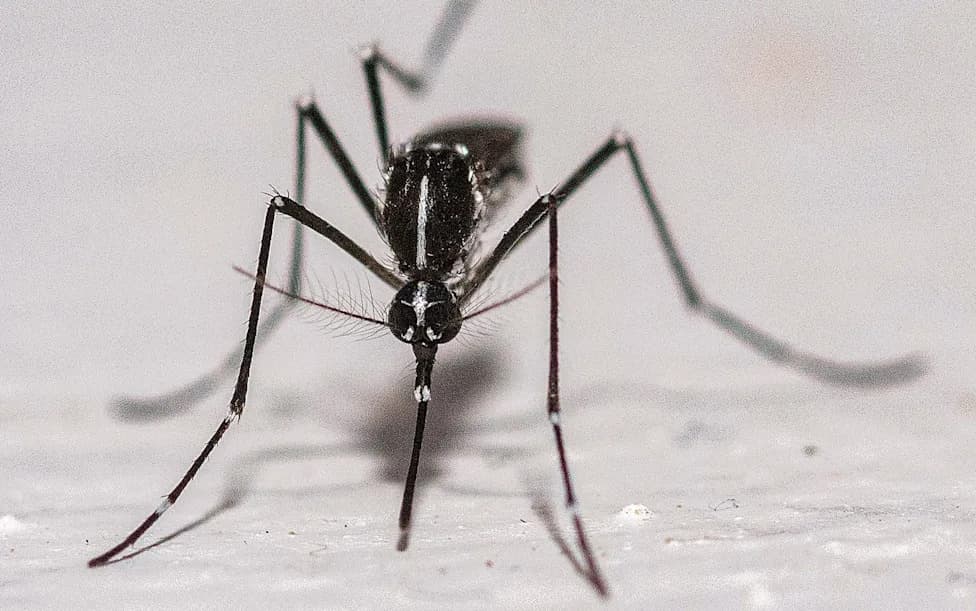
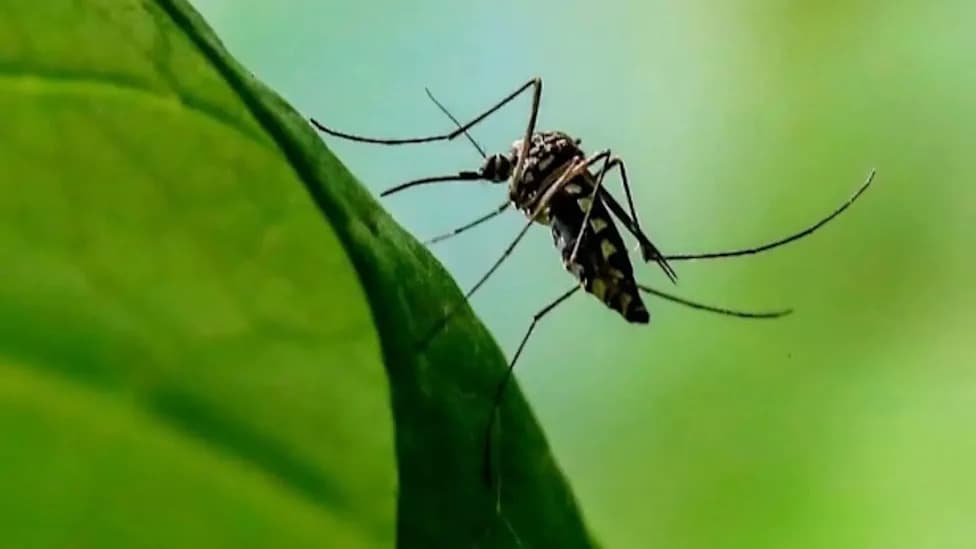
Asian tiger mosquito populations move roughly 20 kilometres north every year because of climate change - MARTIN LELIEVRE/AFP via Getty Images
French cities are rolling out an ambitious biological control campaign to curb the spread of disease-carrying Asian tiger mosquitoes. Montpellier-based Terratis is breeding millions of sterile male mosquitoes at industrial scale and releasing them into urban "hot spots" to reduce local populations and the risk of dengue, chikungunya and Zika.
How the Program Works
Technicians at Terratis breed males and females in controlled facilities, separate the sexes, then expose the males to X-rays to render them sterile. These sterile males are released in selected neighborhoods where tiger mosquitoes are most concentrated. When sterile males mate with wild females, those females lay non-viable eggs for the rest of their lives, gradually driving down the local population.
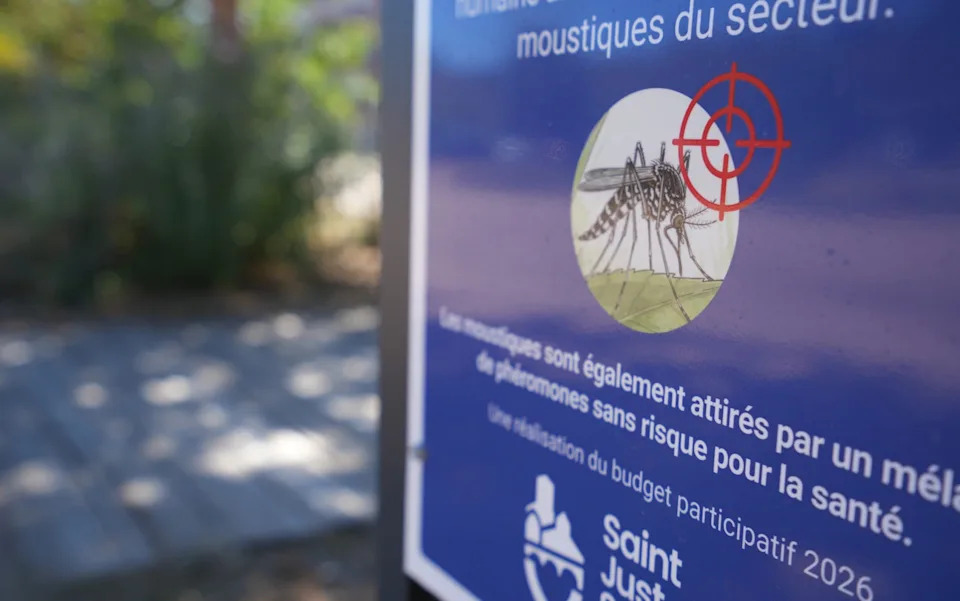
A mosquito control warning sign on a public trap in Saint-Just-Saint-Rambert, Loire department, France - Mathieu Prudhomme/Anadolu via Getty Images
"By using this technique, the mosquitoes will have no descendants and, in theory, we can reduce the population with each generation," said Clelia Oliva, founder of Terratis. She expects local reductions of 70–90% where releases are sustained.
Scale, Targets and Logistics
Founded in Montpellier two years ago, Terratis now operates at six deployment locations including Lyon, Toulouse and Bordeaux. The company reports strong demand across France, and interest from Austria and Switzerland. Releases are currently done from boxes placed at fixed sites; a release backpack is being developed to cover larger areas more efficiently. Buffer zones are also established around target areas to limit re-invasion by wild females.
Terratis plans to industrialize and scale production substantially by 2028, with a goal of roughly 100 employees at its Montpellier facility and many more sterile males produced each week.
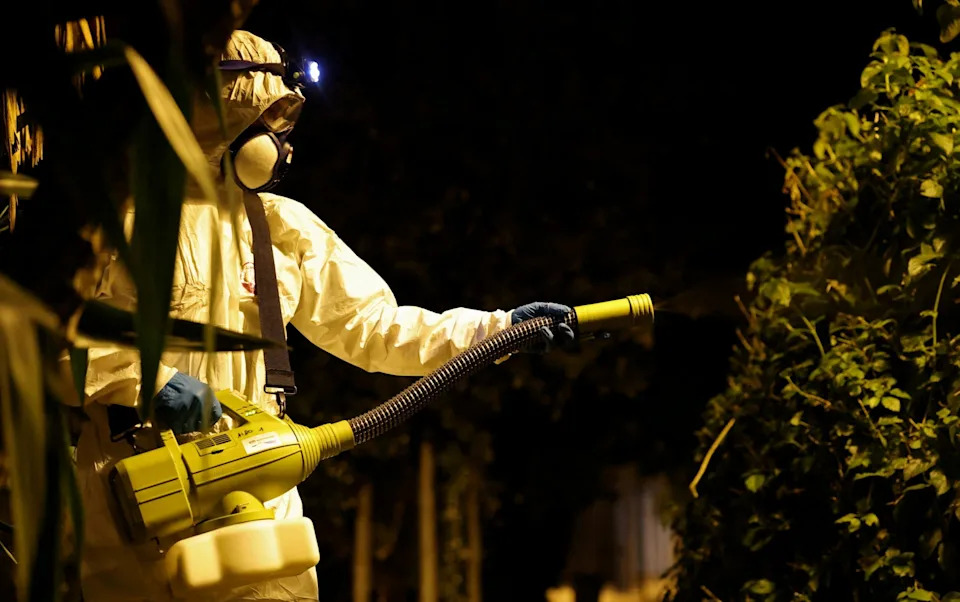
A worker fumigates a park during a mosquito control operation in Nice - Manon Cruz/REUTERS
Why This Matters
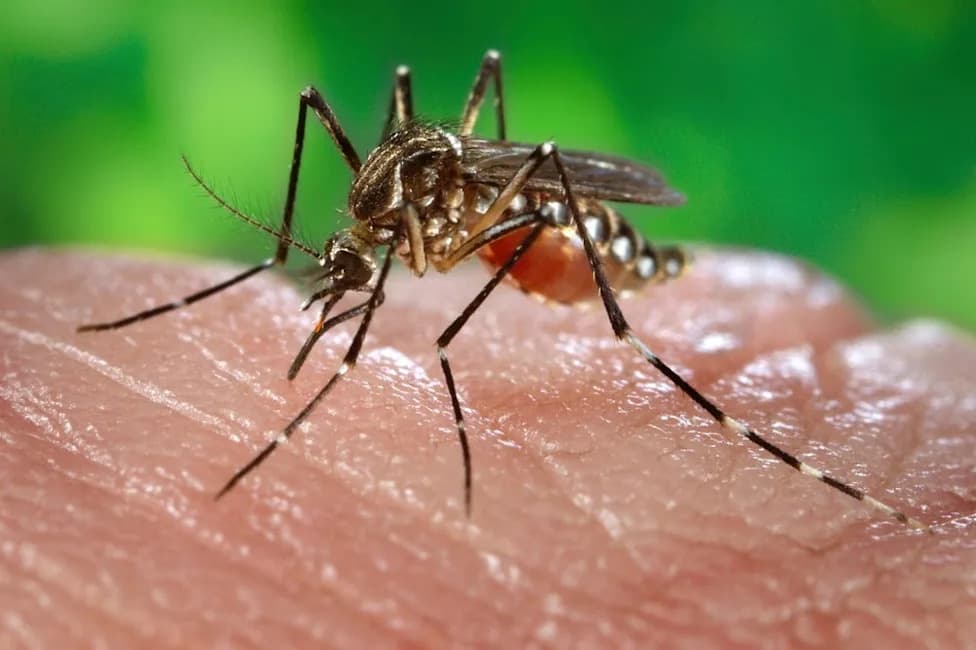
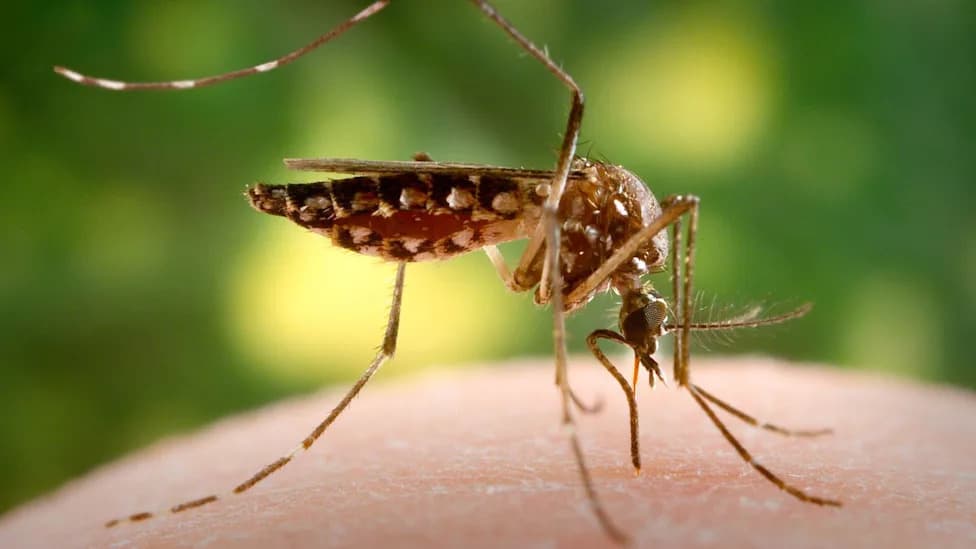
The Asian tiger mosquito (Aedes albopictus) arrived in Europe in the 1960s and is moving north at an estimated 20 kilometres per year, a shift linked to climate change. After an exceptionally hot and wet summer, the species has surged in prevalence and is now reported in 83 of France's 96 mainland departments. Unlike many mosquito species that feed at dusk, the tiger mosquito bites during daylight and can transmit several viruses. Health authorities have warned residents to reduce standing water and protect gardens and outdoor spaces.
Ms Oliva noted the sterile-male approach can be slower to produce visible results than pesticides but aims to provide longer-lasting and environmentally targeted control. The sterile-insect technique has a history in agriculture (for example, fruit flies) and has been trialed in parts of Asia, Latin America and Europe.
Public Health Context
Authorities are monitoring a rise in locally transmitted chikungunya and remain vigilant for dengue and other mosquito-borne illnesses as higher temperatures can speed viral development within mosquitoes. Terratis is positioning its program as part of an integrated response alongside public education, surveillance and traditional control measures.
Help us improve.