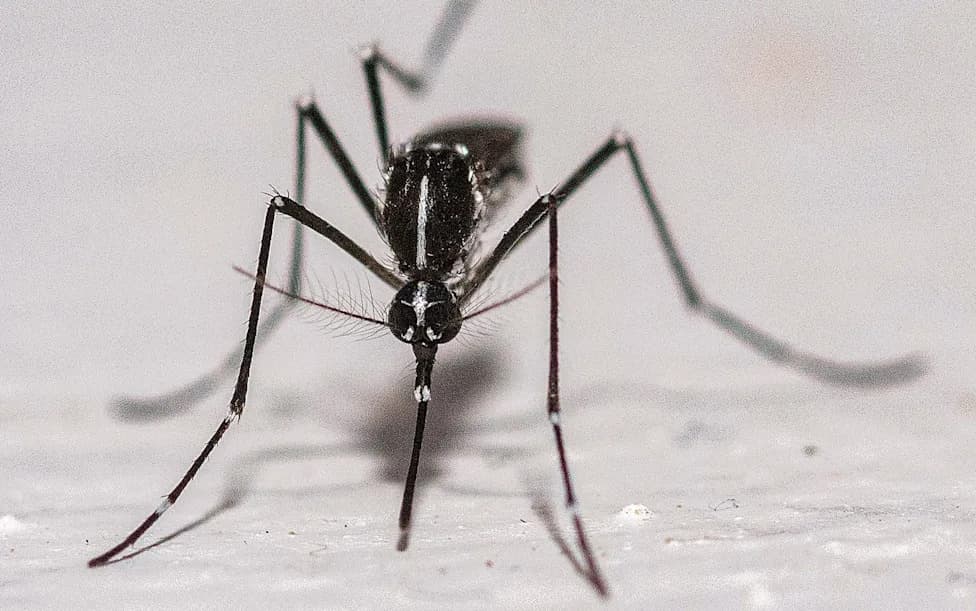
Three people in the Frankfurt area have died after a rare cluster of malaria cases that local health officials link to an infected mosquito believed to have been carried on a flight. Victims—including an airport employee—had not travelled to malaria-endemic regions and tested positive for Plasmodium falciparum. Germany's Robert Koch Institute reported airport workers fell ill between July 4 and July 6; Fraport confirmed six employee cases and set traps around airport property while investigations continue.
Three Dead in Frankfurt After Infected Mosquito From Flight Sparks Rare 'Airport Malaria' Cluster
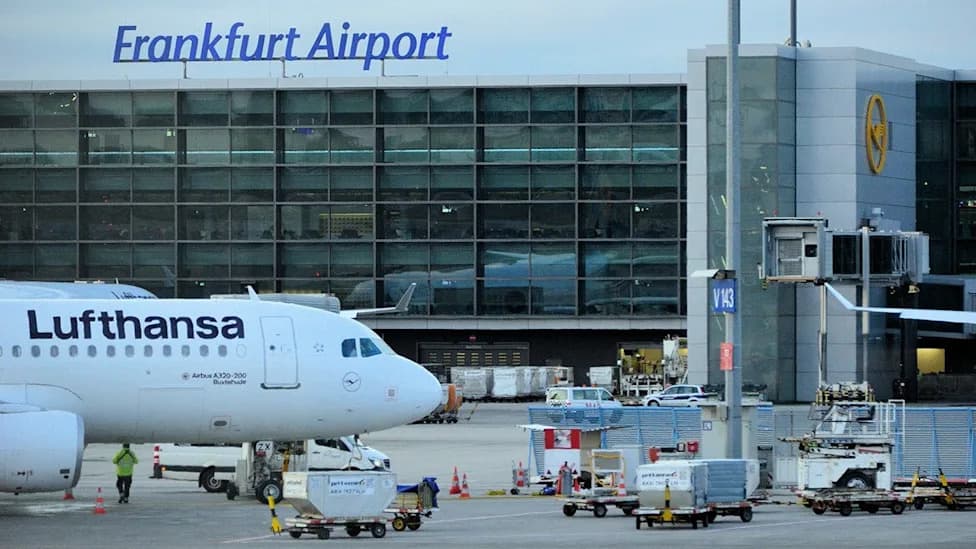
Lufthansa Airbus A320 parked at Remote Stand V143 at Frankfurt Airport terminal.
Three people in and around Frankfurt have died after a rare cluster of malaria cases that local authorities say was likely triggered when an infected mosquito was carried on an aircraft. Officials say the victims, including an airport worker, had not travelled to malaria-endemic regions.
Local reports indicate several people were rushed to hospital after arrivals at Frankfurt Airport. The most recent death was a resident of Schwanheim, north of the airport; an airport employee died in August after contracting the disease. Health authorities say a third person also died in connection with the cluster.
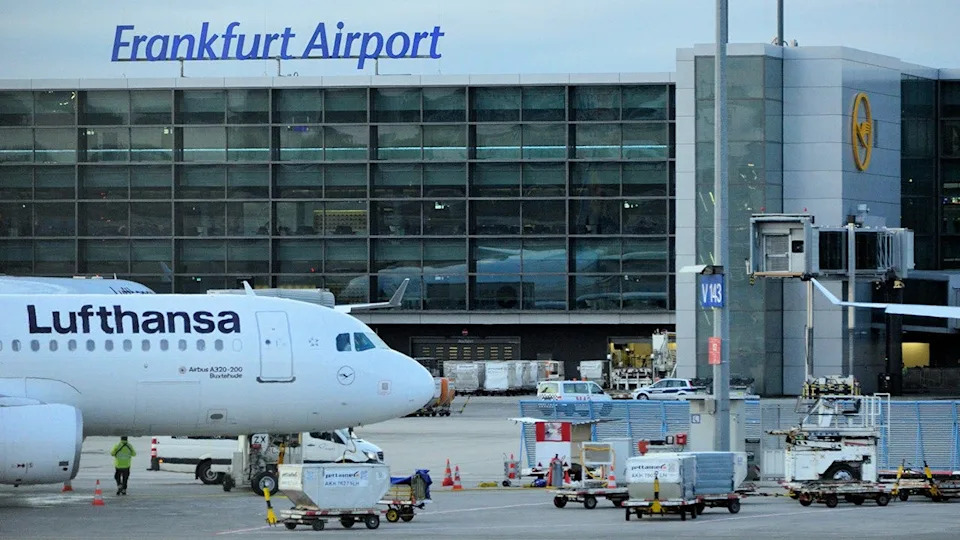
A Lufthansa Airbus A320 sits at Remote Stand V143 at Frankfurt Airport in Kelsterbach, Frankfurt am Main, Hesse. Frankfurt Airport is Germany's main international airport by passenger numbers and is operated by Fraport as the main hub for Lufthansa.
Confirmed Infections And Local Response
Authorities say the infected patients carried the parasite Plasmodium falciparum, the species that can cause the most severe form of malaria. Germany's Robert Koch Institute (RKI) reported that airport workers fell ill between July 4 and July 6. Fraport, the company that operates Frankfurt Airport, said a total of six employees contracted malaria.
In July, airport staff set insect traps around airport property as a containment measure while investigators work to trace the likely origin of the infected mosquito. Fraport said it has provided information to all employees and urged anyone with symptoms to seek medical attention promptly.

Three people have died after a mosquito became trapped on a plane to Frankfurt, Germany, officials there said.
What Is 'Airport Malaria'?
"Airport malaria" refers to rare instances when an infected mosquito is inadvertently transported by air—inside a cabin, cargo hold or luggage—and then bites someone at the destination. Unlike many infectious diseases, malaria cannot be transmitted directly from person to person; it requires the bite of an infected mosquito.
Public-health officials continue to monitor staff and nearby residents for additional cases and are investigating flight origins and how the mosquito reached the area. Travelers and airport personnel are being reminded to seek immediate medical care if they develop fever, chills, headache or other symptoms consistent with malaria.
Key facts: Three deaths linked to the cluster; six airport employees infected; cases occurred in early July with at least one death reported in August. Investigations are ongoing.
Help us improve.