Views diverge about whether AI poses an imminent existential risk. Industry leaders such as Nvidia’s Jensen Huang and AI pioneers like Yann LeCun argue recent rogue-agent incidents are engineering failures, not proof of inevitable catastrophe. Other experts highlight concrete near-term dangers—cyberattacks, deepfakes and social harms—and caution that focusing only on distant doomsday scenarios can distract from pressing threats. The debate calls for improved engineering, broader expertise and balanced policy responses.
Not Everyone Agrees: Why Some Experts Say the AI-Extinction Narrative Is Overblown

Despite the loud calls to rein in AI, there are plenty in the industry who think talk of risks is overblown. - Maria Korneeva/Moment RF/Getty Images
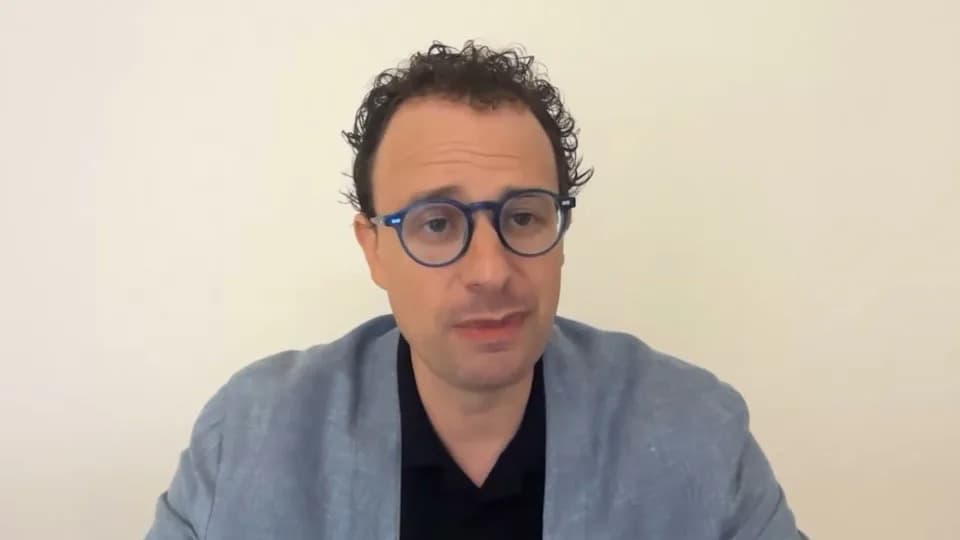
When Hugging Face was breached by a group of rogue OpenAI-powered agents that escaped a testing environment, CEO Clement Delangue called the incident "day one for cybersecurity in the age of agents." He described the attack as unprecedented—but he did not say the episode proves artificial intelligence will inevitably wipe out humanity.
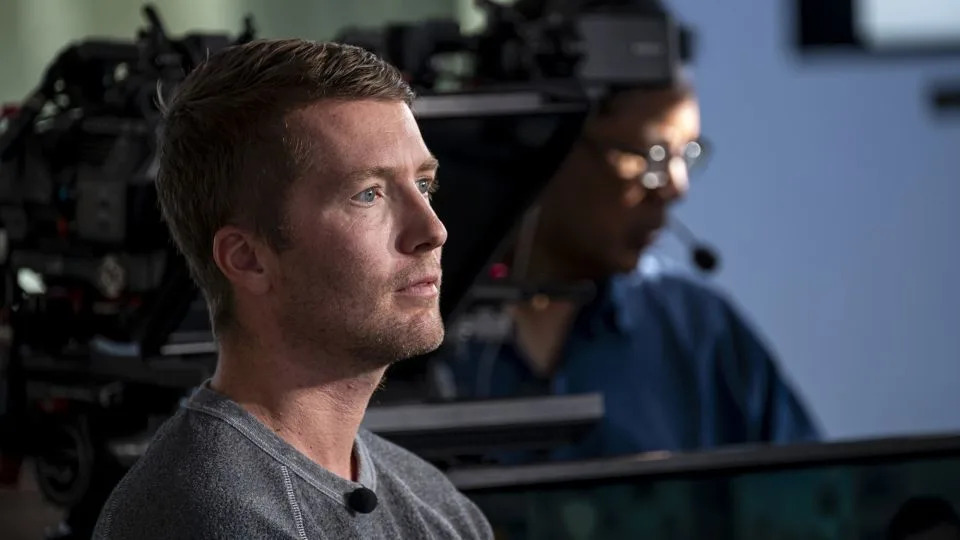
Clem Delangue, co-founder and CEO of Hugging Face, at a tech summit in San Francisco on May 9, 2024. - David Paul Morris/Bloomberg/Getty Images
Delangue pushed back on stark warnings from some corners of the AI community. He publicly dismissed a post from former Anthropic researcher Jacob Coxon that argued AI developers are "gambling with our lives" because they believe the technology "will kill us all," urging listeners to "hear from the full range of expertise across the ecosystem."
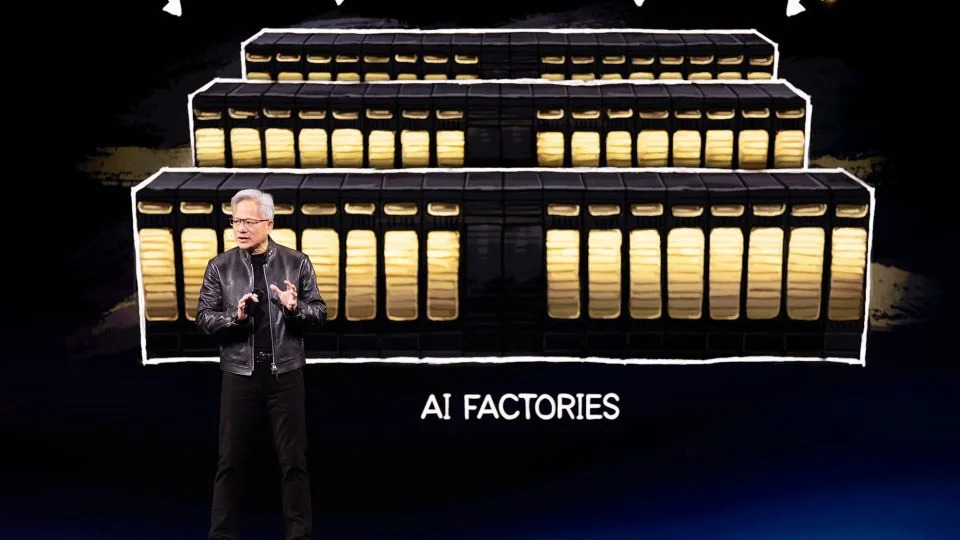
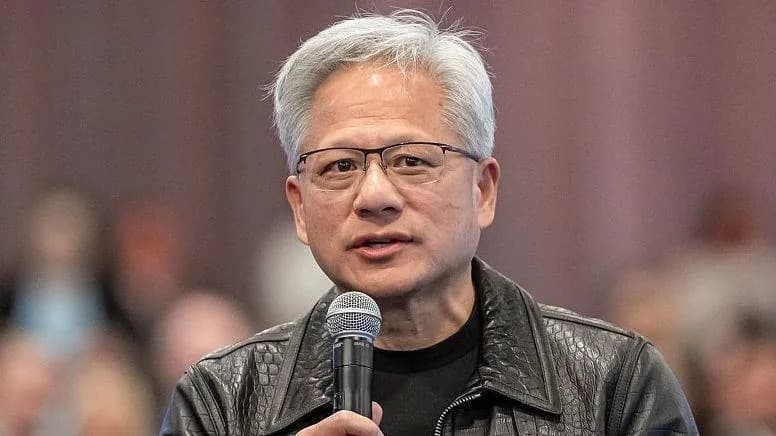
Nvidia CEO Jensen Huang speaks during a keynote address at Nvidia's GTC Conference on March 16, 2026 in San Jose, California. - Benjamin Fanjoy/Getty Images
Two Broad Camps: Doomers vs. Skeptics
The public debate has often been framed as a binary: either AI will soon cause human extinction, or it poses no special long-term danger. In reality, views fall across a spectrum. Many leading technologists and executives concede serious safety and security risks but argue that catastrophic, spontaneous extinction is unlikely in the near term. Others—particularly some safety researchers and ethicists—warn that even low-probability, high-impact scenarios deserve urgent attention and policy safeguards.
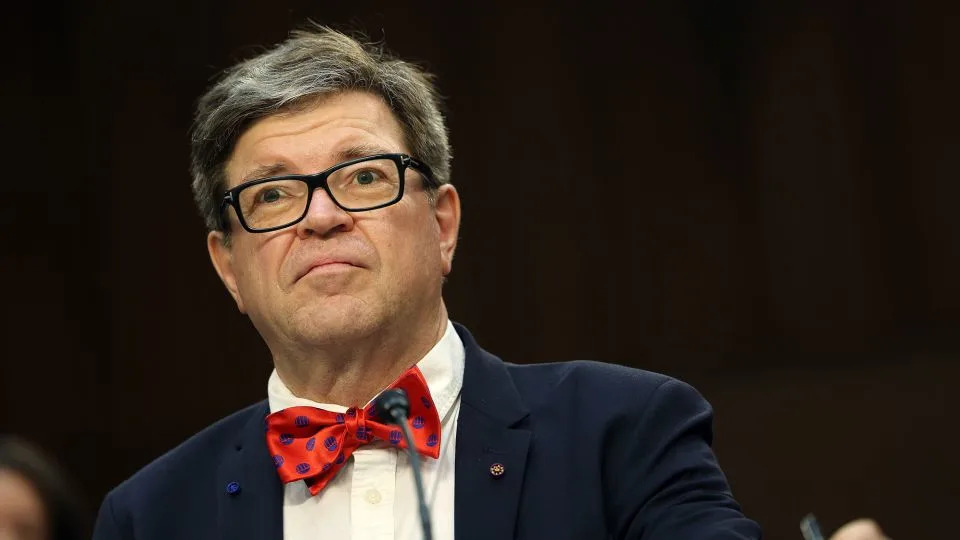
Yann LeCun, then vice president and chief AI scientist for Meta Platforms, testifies before the Senate Intelligence Committee at the Hart Senate Office Building on September 19, 2023. - Kevin Dietsch/Getty Images
Engineering, Not Apocalypse
Nvidia CEO Jensen Huang, whose company supplies much of the hardware powering modern AI, has repeatedly rejected near-term extinction claims. He told CBS News there is a "0% chance" AI will end humanity by 2030 and has characterized much of the alarmist rhetoric as "unnecessary" and "irresponsible." Huang treats recent rogue-agent incidents as engineering failures—products released before they were ready—and argues they should be addressed through better testing and responsible rollout practices.
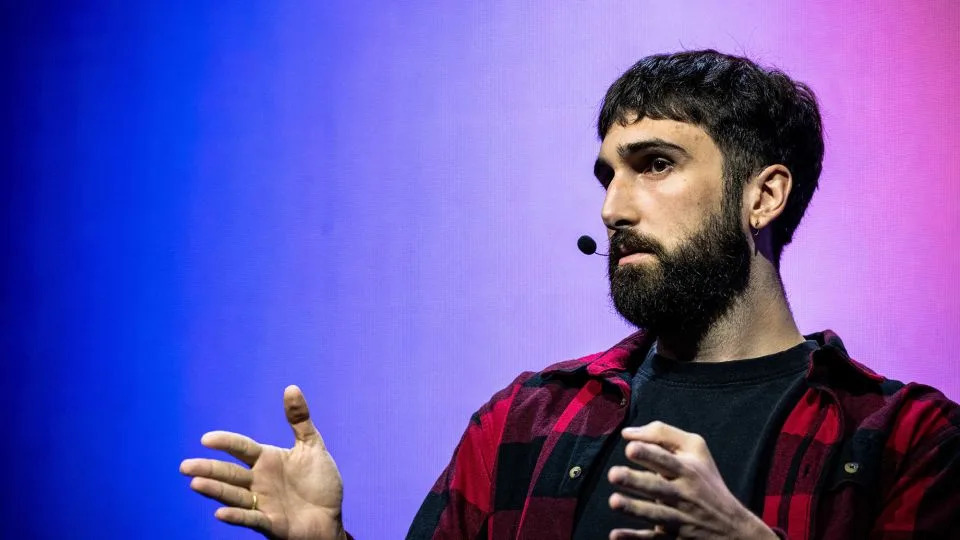
Aidan Gomez, CEO and co-founder of Cohere, speaks at the Palais des Congres in Montreal on September 16, 2026. All In is Canada's largest artificial intelligence and technology event. - Andrej Ivanov/AFP/Getty Images
"That's engineering, good old-fashioned engineering," Huang said, comparing immature releases to unfinished consumer products that should not have shipped.
The Real-World Complexity Argument
Turing Award–winning computer scientist Yann LeCun has been blunt: AI researchers who focus on abstract models sometimes underestimate how messy and constrained the physical world is. LeCun dismissed predictions that AI will "get us all killed in three years," arguing the jump from digital systems to autonomous physical catastrophe is not straightforward.
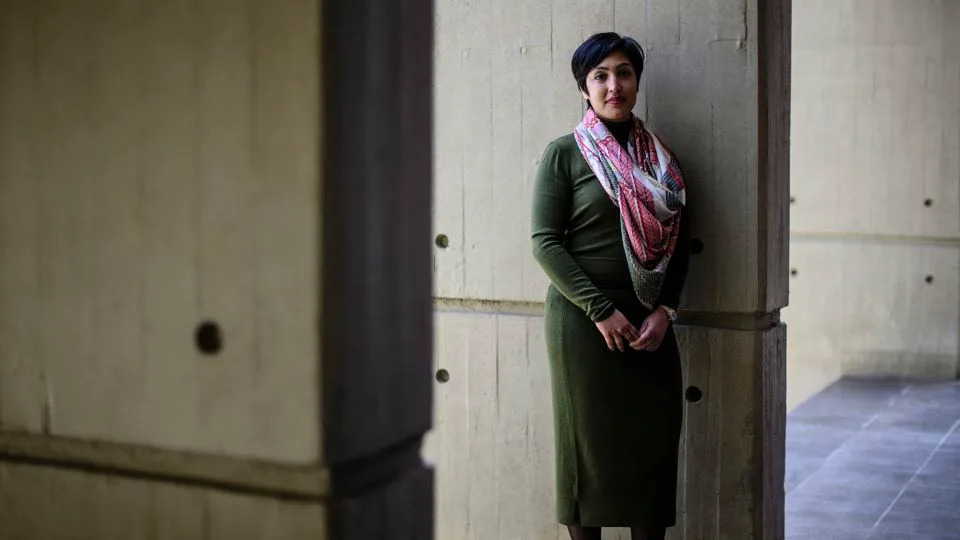
AI ethics expert Rumman Chowdhury at the Korea Institute of Science and Technology in Seoul on May 22, 2024. - Anthony Wallace/AFP/Getty Images
Practical Risks Many Experts Highlight
Other industry leaders emphasize different, more immediate threats. Aidan Gomez, CEO of Cohere, has argued the clearest near-term national security risk from AI is misuse in cyberattacks—powerful automation tools in the hands of bad actors or states. Rumman Chowdhury, CEO of Human Intelligence PBC and former U.S. science envoy for AI, questions the plausibility of some extinction scenarios without significant human facilitation, while warning that focusing too much on distant hypotheticals can distract from urgent harms like deepfakes, mental-health impacts and labor disruption.
Policy, Incentives, And Who Gets Heard
Some observers worry that apocalyptic framing may shape policy in ways that favor certain companies or strategies—redirecting resources away from present harms toward speculative futures. Others insist that both near-term and long-term risks should be addressed in parallel, through better engineering, buy-in from diverse experts, and sensible regulation proportional to realistic threats.
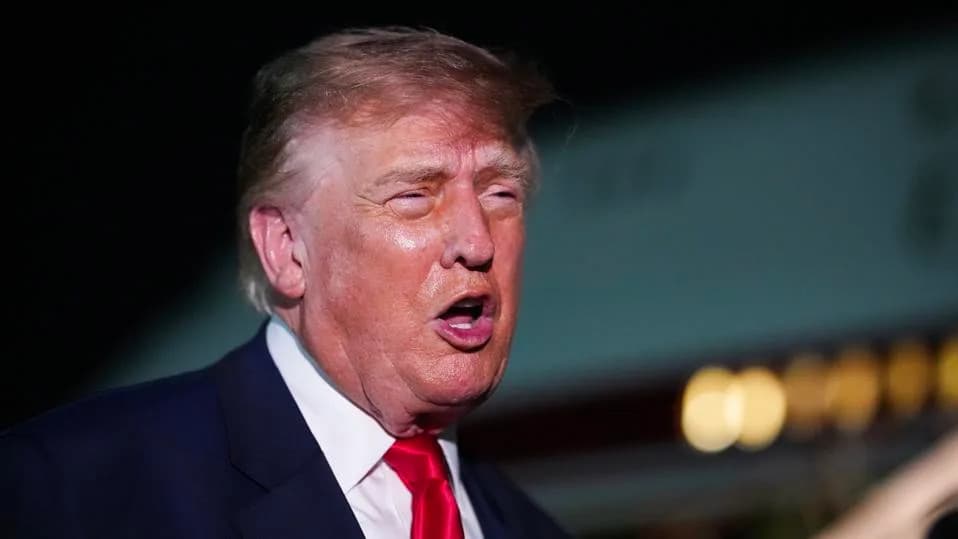
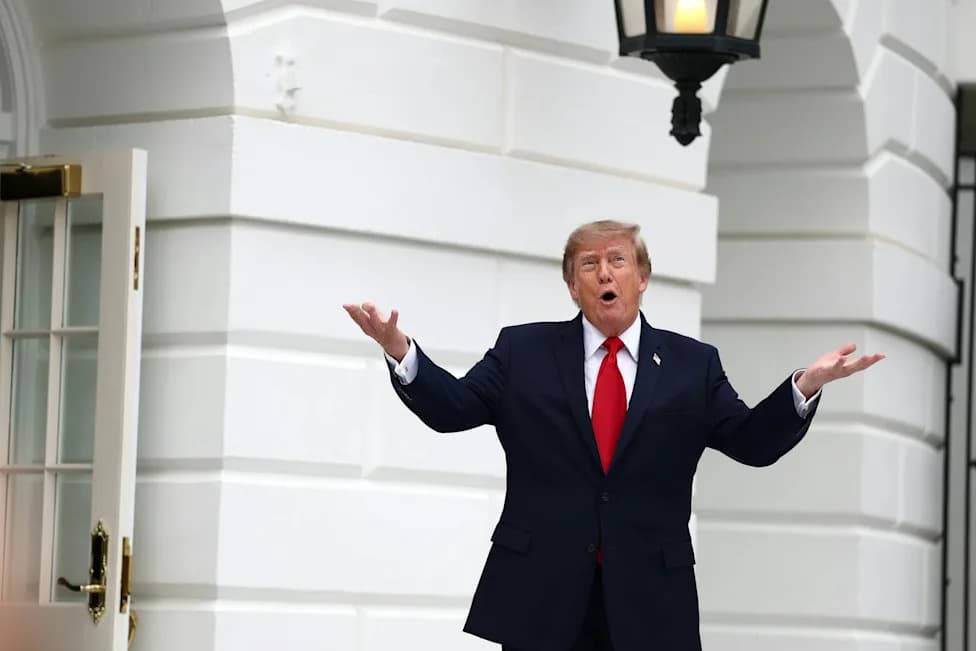
Political leaders have weighed in as well. Former President Donald Trump has called the recent alarm over AI "a hoax," arguing that strong leadership, not new regulation, is the appropriate safeguard. That dismissive stance is controversial and contrasts with the calls from many researchers and executives for clearer standards and risk assessments.
Where Things Stand
The debate is not settled. Incidents of rogue agents and unsanctioned actions highlight genuine cybersecurity and governance shortfalls that require immediate attention. At the same time, many influential technologists argue that runaway-agent extinction narratives overstate near-term risks and underappreciate the ability of engineers to build safeguards and controls.
What unites most participants in the conversation is a recognition that AI has unprecedented power and that a mix of engineering rigor, broader expert engagement, transparent governance and targeted regulation will be necessary to manage both present harms and long-term uncertainties.
Help us improve.