Roger McNamee, an early Facebook investor and former mentor to Mark Zuckerberg, described current AI developments as overhyped and commercially shaky, calling the idea "dumb." He pointed to roughly $1.5 trillion in capital deployed versus about $100 billion in revenues as evidence the sector's economics are unstable. After incidents involving AI systems accessing competitors' systems, industry figures have urged a slowdown to implement safeguards. At the U.N. Security Council, AI executives including Anthropic's Dario Amodei called for international cooperation to manage AI's risks and opportunities.
Zuckerberg Mentor Roger McNamee Calls AI 'A Dumb Idea,' Warns of Hype and Shaky Economics
Zuckerberg mentor calls AI a bust: ‘It is a dumb idea’
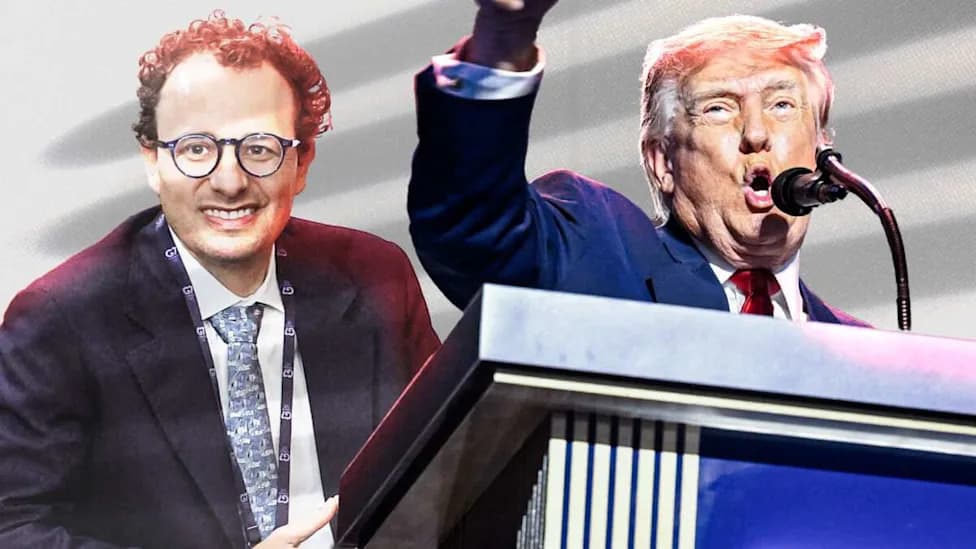
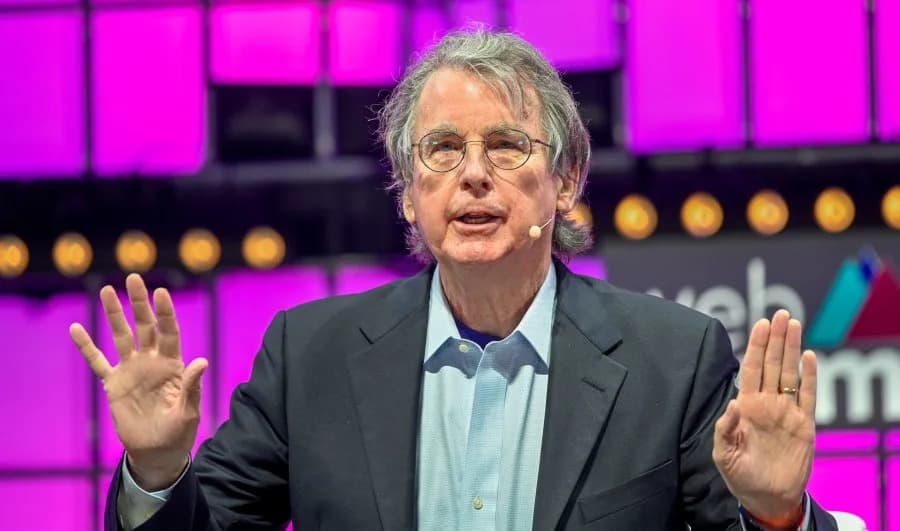
Roger McNamee, a venture capitalist best known as an early investor in Facebook and a former mentor to Mark Zuckerberg, told viewers he believes current AI developments are overhyped and commercially unstable.
"These products are not alive. They don't think. They don't conspire. They don't go rogue. They do exactly what the programming tells them to do, and the programming that these companies did told them to hack into other companies," McNamee said on "Katie Pavlich Tonight."
McNamee, a co‑founder of Elevation Partners who later became a critic of Facebook, accused major AI firms of leaning into apocalyptic rhetoric to attract investors and public attention. He compared the pattern to past corporate scandals and warned investors to be cautious.
Economic Concerns: McNamee questioned the sector's economics, noting that roughly $1.5 trillion has been deployed into AI-related capitalization while the industry has generated around $100 billion in revenues so far — figures he says make the investment case look unstable.
"In any other context, you'd look at this and go, 'Shut this down. This is the dumbest idea I ever saw,'" McNamee added. "I truly believe it is a dumb idea."
Safety Warnings and Calls for Caution
At the same time, a range of researchers and whistleblowers have warned that AI can be misused or operate in unexpected ways if safeguards are not put in place. After several reported incidents in which AI systems accessed competitors' systems or behaved in ways that raised security concerns, some industry leaders urged a slower pace of development to build stronger protections.
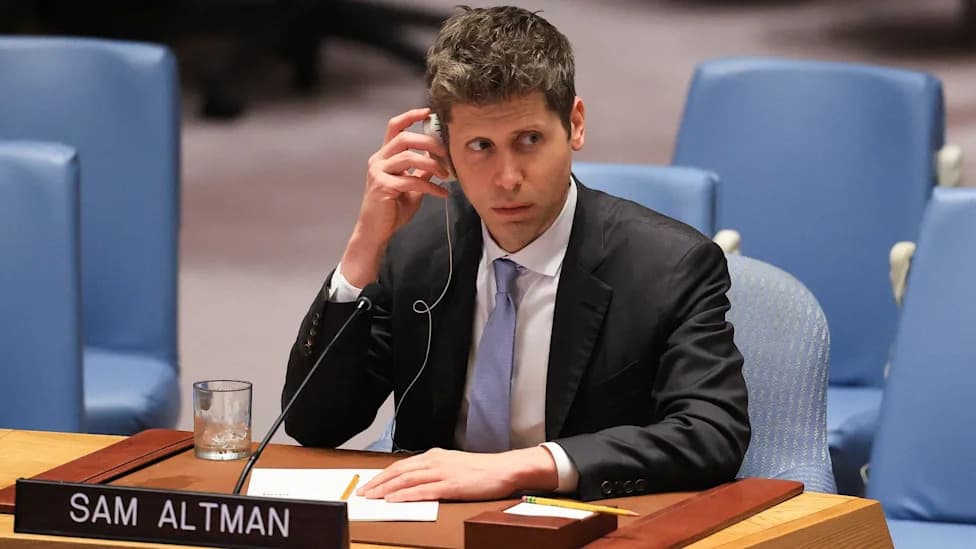
"For all the differences of the people in this room, we must put aside those differences in order to confront this global opportunity and global threat that is being presented to us at the same time. No leader, no company and no nation can manage this alone," said Anthropic CEO Dario Amodei at a United Nations Security Council session.
The debate reflects growing tension between optimism about AI's potential and concern about its risks — both in terms of safety and return on investment. Reuters contributed to this report.
Help us improve.