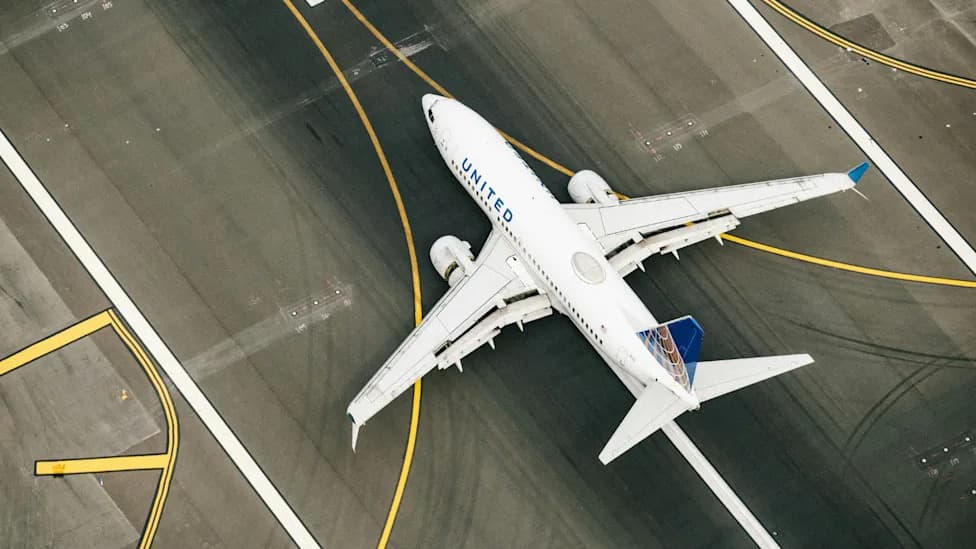
The FAA said error messages on a telecom circuit prompted a Sunday move to a backup fiber line, which was accidentally cut the next day by a contractor — contributing to major flight disruptions along the U.S. East Coast. About 9,500 flights were delayed or canceled as the FAA halted traffic to major airports while world leaders arrived for the U.N. General Assembly. FAA Administrator Bryan Bedford urged faster modernization, estimating the total upgrade at $27 billion and requesting roughly $10.5 billion more from Congress. The FAA plans to replace copper lines with fiber by September 2027 but cautioned that fiber alone will not ensure sufficient redundancy.
FAA Switched To Backup Fiber After Error Messages — Contractor Cut That Line, Causing Widespread East Coast Flight Disruptions
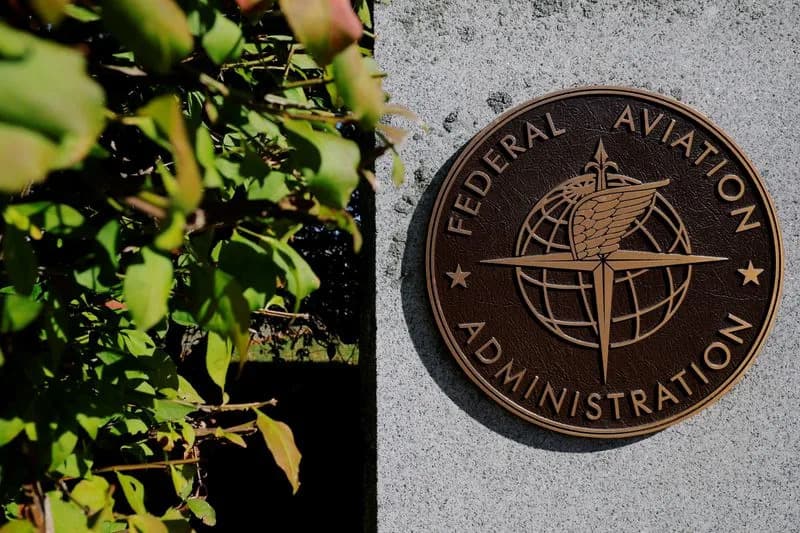
A sign marks the Federal Aviation Administration's (FAA) Boston Air Route Traffic Control Center in Nashua, New Hampshire, U.S., October 9, 2025. REUTERS/Brian Snyder
WASHINGTON — The U.S. Federal Aviation Administration said a series of error messages on a telecommunications circuit prompted the agency to move operations to a backup fiber line on Sunday, a precautionary step taken hours before a contractor accidentally severed that backup and triggered major flight disruptions along the East Coast.
What Happened
The FAA said contractor L3Harris recommended the switch to the backup fiber line on Sunday so technicians could begin troubleshooting a circuit at a Philadelphia air traffic control facility. On Monday, a New Jersey Transit contractor accidentally cut the backup fiber near New Brunswick, New Jersey, which contributed to a widespread outage that forced traffic halts at major airports.
Impact
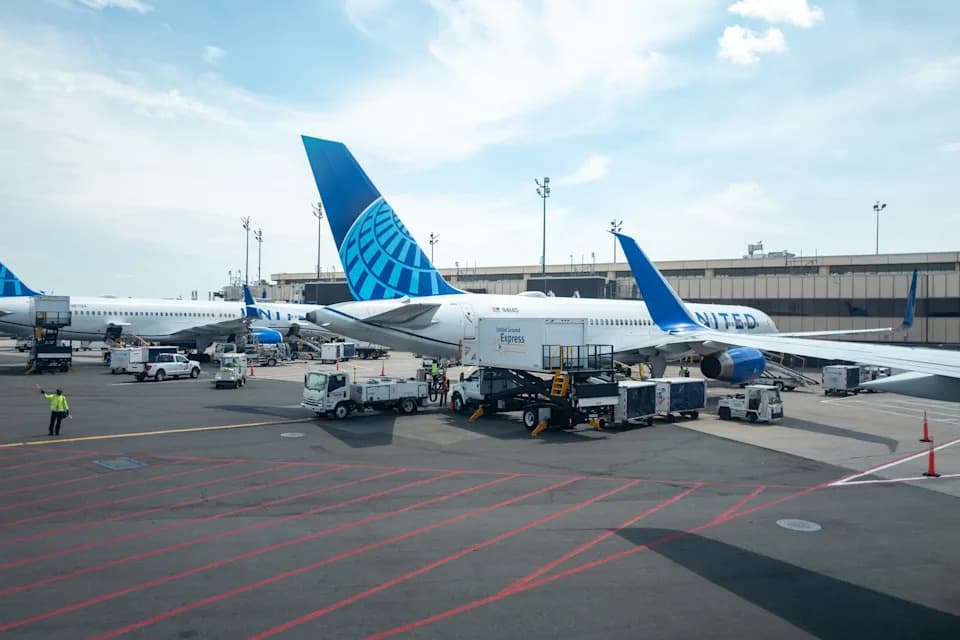
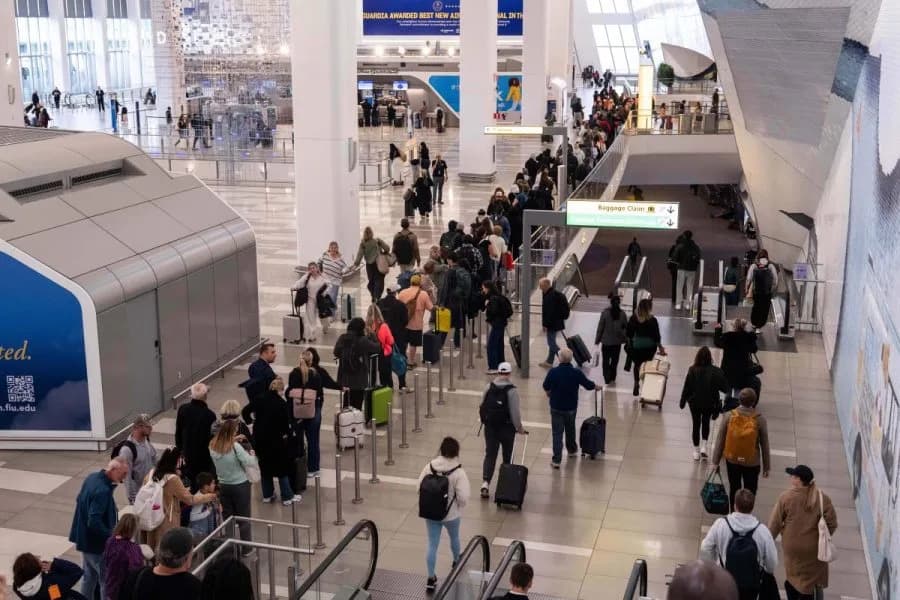
About 9,500 U.S. flights were delayed or canceled after the FAA halted flights for several hours to airports in New York, Philadelphia, Boston and Washington. The outage occurred as roughly 130 world leaders and dozens of ministers were arriving in New York for the United Nations General Assembly, complicating international travel plans.
Responses And Investigation
L3Harris did not immediately respond to requests for comment. FAA Administrator Bryan Bedford said the incident highlights the vulnerability of the agency’s aging telecom infrastructure and the need for a broader modernization effort to add redundancy and resilience.
"We need to get rid of the old system," Bedford said at an event in Washington. "When it fails, we just don't have the redundancy that we would get if we had a modern architecture."
Funding And Modernization Plans
Congress approved $12.5 billion last year for air traffic control reform, but the telecom failure has added urgency to the program. Bedford estimated the total upgrade will cost about $27 billion and said that, accounting for funds already available, Congress would need to approve roughly an additional $10.5 billion to complete the project.
The FAA plans to replace aging copper lines with fiber — a transition expected to be completed by September 2027 — and to run modern telecommunications over existing commercial networks such as Verizon or AT&T. Bedford warned, however, that replacing copper with fiber alone will not guarantee sufficient redundancy against future outages.
Outlook
Federal and contractor teams continue to investigate the sequence of events and to assess steps that can strengthen redundancy and minimize single points of failure. The episode has renewed calls from FAA leadership and some lawmakers for accelerated upgrades to ensure continuity of critical air-traffic communications.
Help us improve.