The FAA installed a Surface Movement Radar Model 4 (SMR-4) at Newark Liberty International Airport on Aug. 11 to replace roughly 30-year-old equipment and improve visibility of aircraft and ground vehicles in all weather. The SMR-4 feeds data into ASDE-X, which the FAA calls the 'radar backbone' of the airport surface-safety system, and can alert controllers to potential conflicts. Newark has replaced about 90% of its old copper wiring with fiber and is moving from paper to electronic flight strips. The airport will receive $30 million over three years, including new displays, upgraded voice switches and a long-range radar by summer 2027.
Newark Installs SMR‑4 Surface Radar to Boost Runway Visibility and Safety
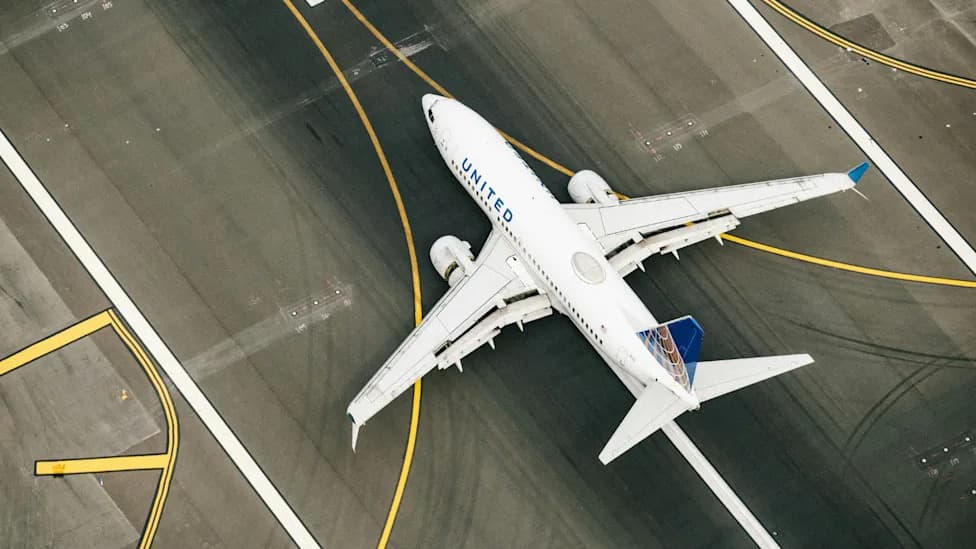
File Photo. Image Credit: Chris Leipelt on Unsplash.
Air traffic controllers at Newark Liberty International Airport received a major technology upgrade when the Federal Aviation Administration (FAA) installed a Surface Movement Radar Model 4 (SMR-4) on Aug. 11, replacing equipment that had been in service for roughly 30 years.
The SMR-4 provides continuous tracking of aircraft and ground vehicles on runways and taxiways regardless of visibility or weather conditions. Its data feed integrates with Newark's Airport Surface Detection Equipment Model X (ASDE-X), which the FAA has described as the 'radar backbone' of the airport's surface-safety system.
How It Improves Safety
ASDE-X fuses radar returns with other surveillance inputs to give controllers a clearer, unified picture of ground movements and to generate alerts about potential conflicts. That capability is invaluable at night, in fog, or during heavy precipitation when tower visibility is limited.
A main objective of the upgrade is to reduce runway incursions—defined by the FAA as an aircraft, vehicle, or person being within a runway's protected area where they should not be. Incursions range from minor incidents with no immediate safety consequence to serious near-misses in which collisions are narrowly avoided.
Part Of A Broader Modernization
The new surface radar is one element of a wider infrastructure overhaul at Newark. The FAA reports that about 90% of the airport's old copper wiring has already been replaced with high-speed fiber, and air-traffic controllers are transitioning from paper flight strips to electronic flight strips to enhance efficiency and reduce human error.
Over the next three years Newark is slated to receive $30 million for further upgrades. By the end of summer 2027 the FAA expects to install new controller information displays, upgraded voice switches and a new long-range radar.
These investments follow a period of operational disruption last year, when a combination of aging equipment, staffing shortages, runway construction and congestion contributed to delays. The FAA says that experience prompted the agency to accelerate key upgrades to improve resilience and safety.
Result: The SMR-4 and associated improvements aim to give controllers better situational awareness and more reliable tools to protect safety and keep operations moving even in poor weather.
Help us improve.