Historian Harald Sandner says a newly discovered death certificate and related documents challenge the 95-year-old ruling that Geli Raubal died by suicide in 1931. Sandner argues the paperwork may place Adolf Hitler at Raubal’s Munich flat around the time of her death, undermining his Nuremberg alibi. Critics, including historian Heike Görtemaker, say the discrepancy could be a transcription error and stress witness statements and police records that support the original timeline. Sandner will publish his full case in November; his claims remain contested pending wider scholarly review.
New Evidence Reopens Geli Raubal Case — Did Hitler Have a Role in His Niece’s Death?
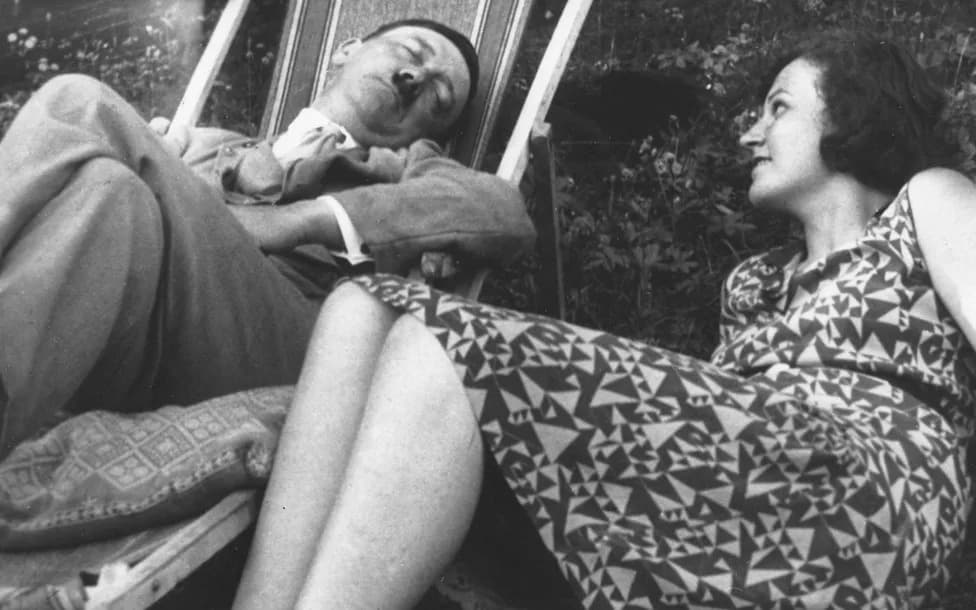
Adolf Hitler had an unusually close and controlling relationship with his niece, Geli Raubal - Ullstein Bild via Getty
New archival material has prompted renewed debate over the 1931 death of Geli Raubal, Adolf Hitler’s 23-year-old niece, long ruled a suicide. German historian Harald Sandner says a newly found death certificate and other documents could place Hitler at Raubal’s Munich flat around the time she died, potentially undermining his previously accepted alibi.
What Sandner Claims
Sandner tells The Telegraph that a death certificate records the discovery of Raubal’s body a full day earlier than the established timeline. If the document is correct, the corpse was already in the flat before the official account—meaning the time of death may have occurred during the early hours of Sept. 18 or even the night of Sept. 17, 1931. Sandner describes the material as a "crushing mass" of evidence and says he will publish a book in November setting out a "forensic process of elimination" that names Hitler the "chief suspect."
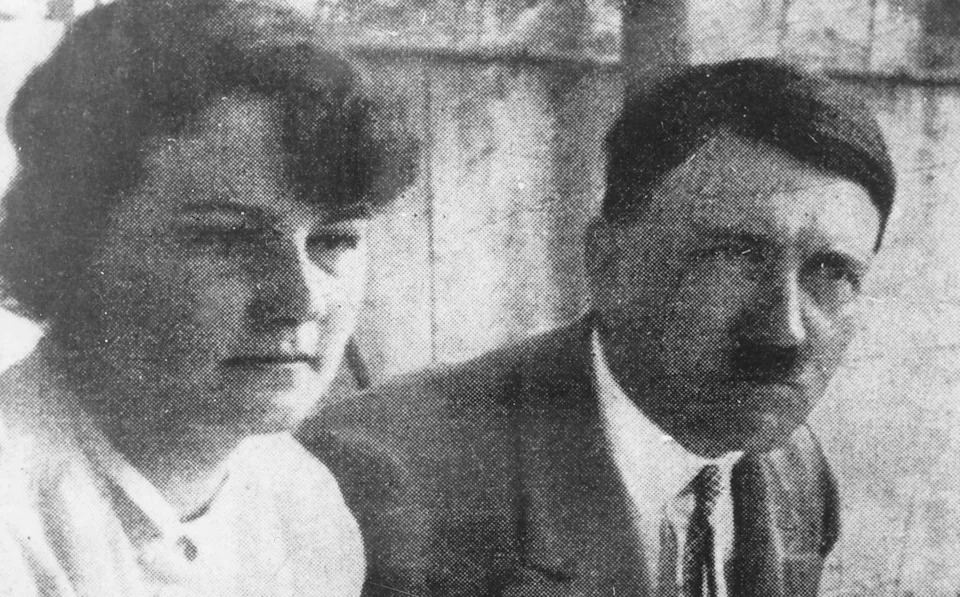
Hitler is said to have left Geli Raubal in his Munich apartment the day before her body was found - Ullstein Bild via Getty
The Longstanding Account
The accepted version has Georg Winter, Hitler’s valet, finding Raubal’s body in her locked room in Hitler’s Munich apartment on Saturday, Sept. 19, 1931. Hitler’s supposed alibi—traveling to and staying overnight in Nuremberg on Sept. 18—has long been treated as exculpatory. At the time, the Munich police declared Raubal’s death a suicide; no full post-mortem examination was conducted.
Why Critics Are Skeptical
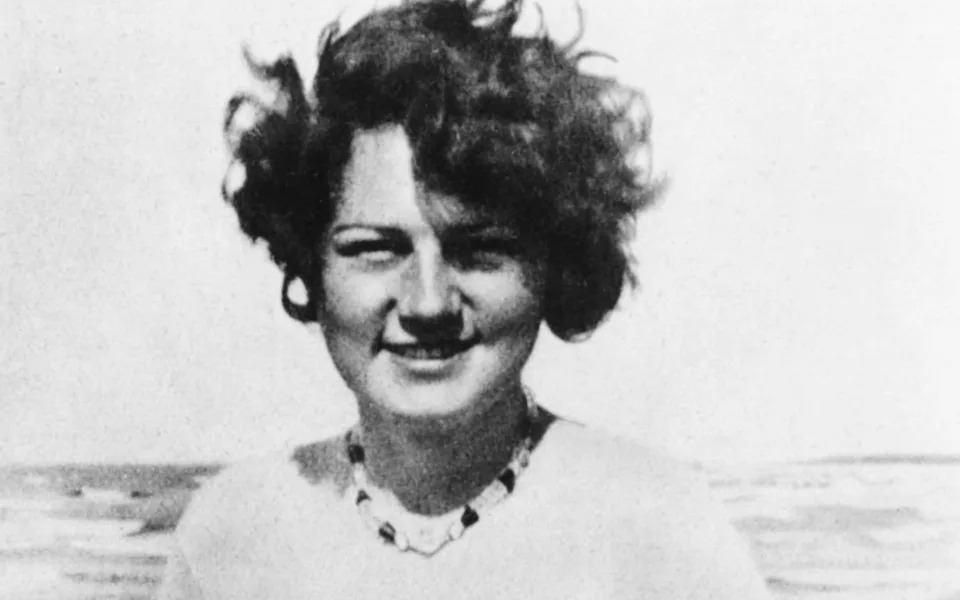
The time of death of Raubal may have been earlier than the official version - Ullstein Bild via Getty
Not all historians are convinced by Sandner’s interpretation. Heike Görtemaker, a prominent Hitler scholar, says the discrepancy may be a simple clerical or transcription error. She notes police records show the apartment’s landlord, Ernst Reichert, called the authorities at 10:15 a.m. on Sept. 19 to report the discovery, and that eight witnesses corroborate Hitler’s presence in Nuremberg on Sept. 18. Görtemaker argues it is unlikely those witnesses all conspired to fabricate an alibi and points out the local police at the time had little incentive to shield Hitler.
Context and Contested Details
Contemporaries long speculated about the nature of Hitler and Raubal’s relationship. After she moved to Munich in 1927, Raubal’s life was reportedly tightly controlled by Hitler, and the two are said to have argued bitterly when she sought to move to Vienna. A Left-wing Munich newspaper at the time reported that injuries had been observed on Raubal’s body and that Nazi officials held crisis meetings about how to present the matter publicly.
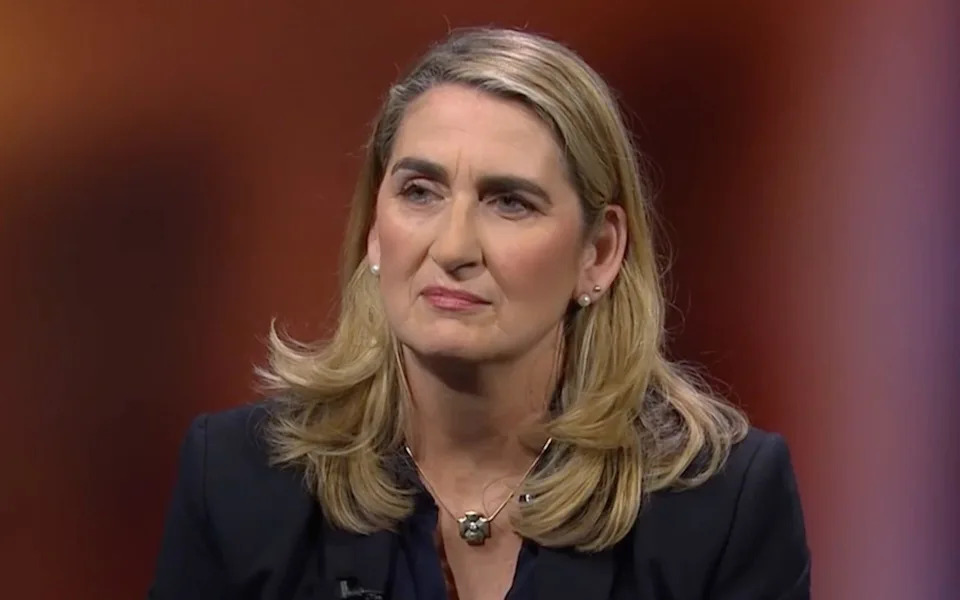
Hitler expert Heike Gortemaker has dismissed a conspiracy theory
What Is Certain — and What Remains Unclear
Certain facts remain: Raubal’s body was found in Hitler’s locked Munich apartment in September 1931; an official ruling at the time was suicide; and no detailed post-mortem record survives in public accounts. What is contested is the precise timeline of discovery and death, the reliability of the newly cited death certificate, and whether police or party officials suppressed or altered evidence.
Next Steps
Sandner plans to publish his full findings and his reasoning this November. Historians and forensic specialists will likely examine his sources and methods closely; if genuine, the documents could force a careful reappraisal of a high-profile historical cold case. For now, claims remain contested and should be treated cautiously pending publication and broader scholarly review.
Legacy
Regardless of the immediate outcome of this debate, Raubal’s death continues to cast a long shadow over the story of Hitler’s private life. Contemporary letters suggest she occupied a singular place in his affections, and later partners, including Eva Braun, reportedly felt overshadowed by Raubal’s memory. Hitler himself died in 1945 from a self-inflicted gunshot wound in his Berlin bunker.
Help us improve.