Oberlin College converted most of its campus to a low-temperature hot-water geothermal district energy system as part of a carbon-neutrality effort targeting 2025. A 2016 implementation plan with Ever-Green Energy and trustees' approval in March 2021 led to $80 million in Climate Bonds Initiative-certified financing; the college also qualified for grandfathered Inflation Reduction Act tax credits. Construction took four years, concentrated in summers, and required retrofitting roughly 60 of 85 main-campus buildings while addressing unexpected aging infrastructure. The project serves both as an emissions-reduction strategy and a hands-on learning lab for students.
Oberlin's Geothermal Blueprint: How a College Converted Campus Heating to Low‑Temperature Hot‑Water
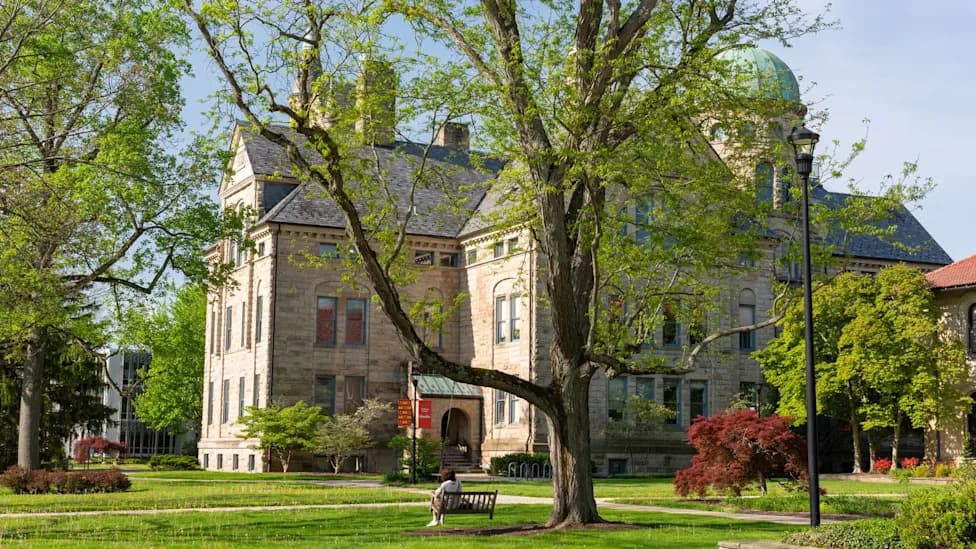
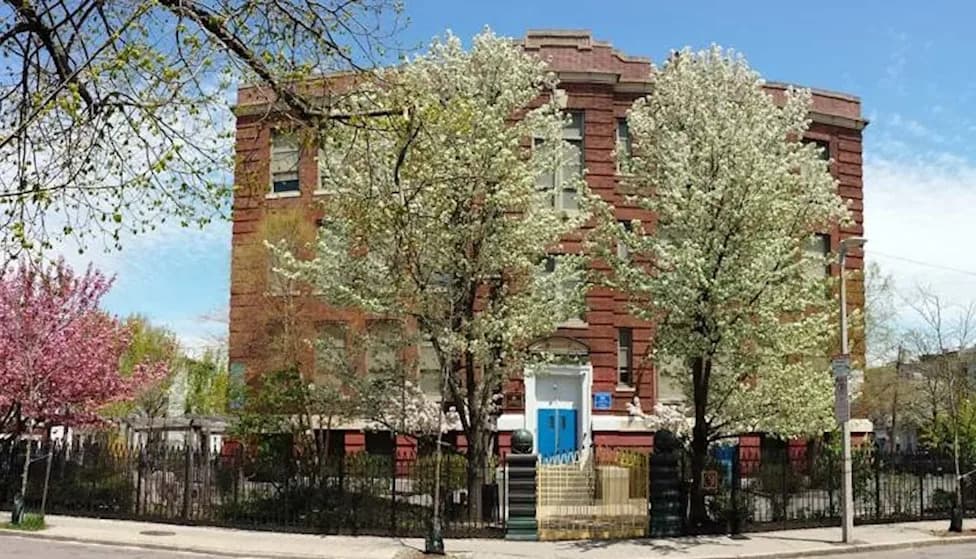
An exterior view of Peters Hall on the campus of Oberlin College and Conservatory. Implementing a geothermal system at its campus required extensive renovations at the majority of the buildings on its main campus, according to experts involved with the project.
Oberlin College and Conservatory in Ohio completed a multi-year conversion of most of its campus heating and cooling to a low-temperature hot-water geothermal district energy system as part of its carbon-neutrality strategy targeted for 2025.
Project Origins and Planning
Oberlin set a carbon-neutrality goal in 2006 and, facing aging and failing campus infrastructure, partnered with energy services firm Ever-Green Energy to develop a comprehensive implementation plan in 2016. That plan included converting campus heating from steam to hot water, evaluating carbon-free supply options, reorganizing utilities, developing financing strategies and engaging stakeholders.
Approval, Financing and Construction
In March 2021 trustees approved a plan to convert the campus to a low-temperature hot-water geothermal district energy system, expand chilled-water capacity, upgrade electrical systems and modernize buildings. The college secured $80 million in bonds certified by the Climate Bonds Initiative, supported by modeling that showed the geothermal pathway was more cost-effective than continuing existing systems. Although planned before the federal Inflation Reduction Act, Oberlin qualified to be grandfathered into the law’s tax credits, improving the project’s affordability.
“From a financial viability perspective, we were able to show through modeling that this was going to be the more cost-effective solution than if the college continued doing what it was doing,” said Michael Ahern, senior vice president of system development at Ever-Green Energy.
Implementation Challenges and Adaptations
Construction took place over four years, with heavy work concentrated in summer terms to minimize disruption. Project leaders emphasized flexibility: plans made in 2019 had to be adapted to changing circumstances, including the operational impacts of COVID-19 and discovery of failing infrastructure. For example, the team uncovered roughly 150-year-old water pipes and other unexpected building-level issues that required additional attention and investment.
One of the bigger technical challenges was the diversity of campus buildings. About 60 of 85 main-campus buildings required conversion or distribution connections. Some newer facilities were relatively straightforward to retrofit for low-temperature hot water; many historic or pneumatic systems required deeper, staged renovations. For a subset of buildings, the team installed distribution piping and deferred full retrofits to later capital-improvement projects.
“You get into the buildings and they're performing differently than you anticipated, or there's some infrastructure that ultimately you just have to replace,” said a project official. “If you're in the building, you're retrofitting everything. You can't ignore certain circumstances.”
Lessons Learned and Broader Impact
Project leaders said they would spend more time in early planning fully vetting which existing infrastructure could be reused or tested to avoid unnecessary replacement costs. The extra runway for testing and what‑if scenarios earlier in the project could have mitigated millions in avoidable spending.
Oberlin’s geothermal conversion is part of a growing trend on college and university campuses — with parallel projects at institutions such as Princeton, Smith College, Ball State and the University of Toronto — driven by emissions targets and a search for long-term affordability. Rob Thornton, president and CEO of the International District Energy Association, noted geothermal can also help manage costs by converting inexpensive renewable electricity during low-demand periods into thermal storage for later use.
Education and Community Benefits
The multi-year timeline created a living laboratory: students participated in planning, implementation, operation and verification of the system, giving the institution an educational differentiator that has influenced recruitment and retention of students, staff and faculty.
Bottom line: Oberlin’s project shows how careful planning, flexible execution and creative financing can make campus-scale geothermal feasible, while highlighting the retrofit complexities and upfront diligence needed to contain costs.
Help us improve.