Gulf states—led by Saudi Arabia—are deliberately positioning themselves as neutral hubs for both US and Chinese AI ecosystems by investing heavily in data centers and power-hungry compute facilities. Saudi projects pair American cloud investment (AWS’s $5.3B commitment) and hardware with Chinese models and partnerships like HUMAIN’s MiniMax license. The strategy leverages the Gulf’s capital, land and energy to extract investment, localization and technology transfer without picking a geopolitical side.
Gulf States Play Both Sides in the US–China AI Infrastructure Competition
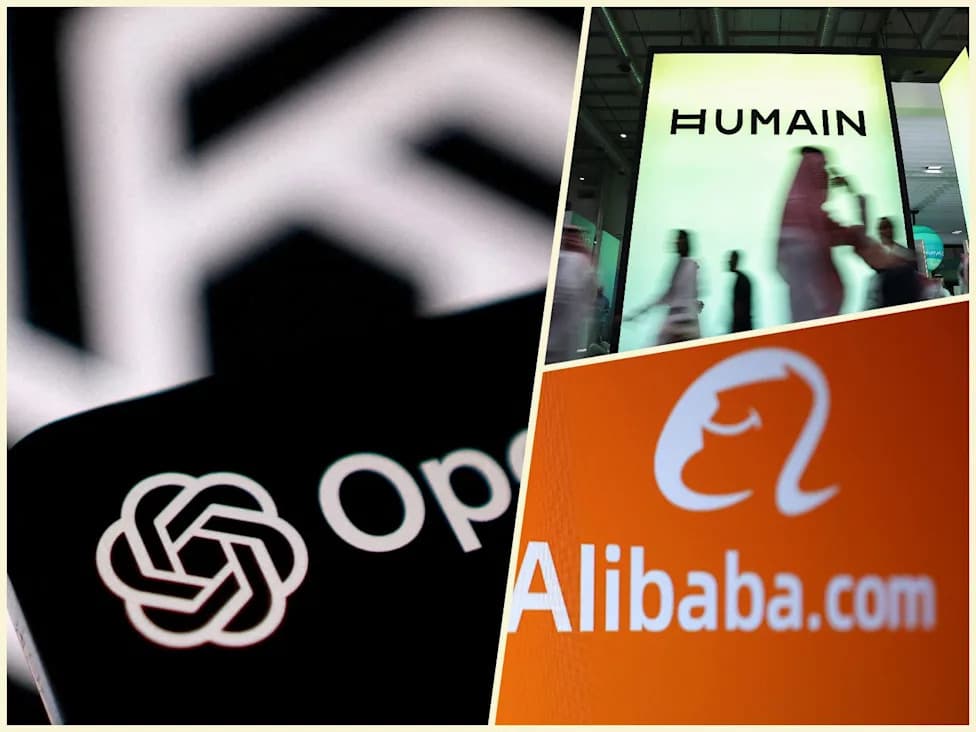
Everyone expects two AI blocs. The Gulf is betting on both
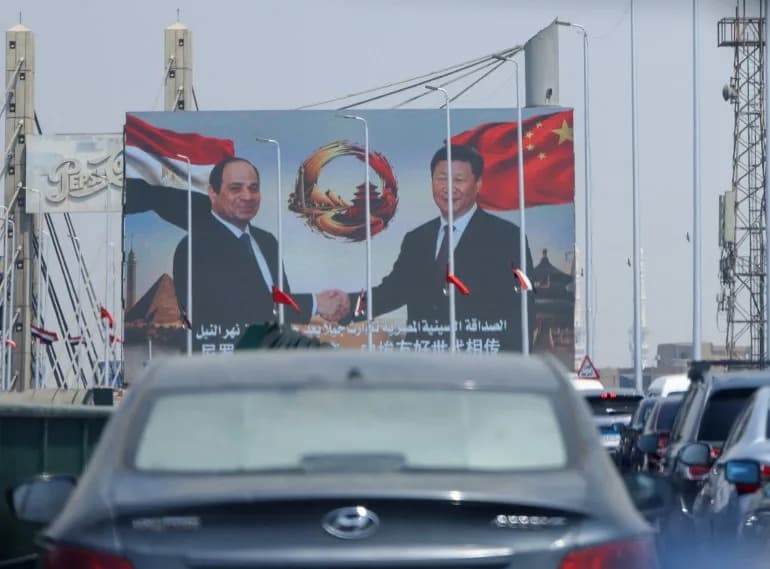
Saudi Arabia and other Gulf states are betting they can host both American and Chinese AI ecosystems at once, turning vast capital, land and energy endowments into geopolitical leverage. Rather than choosing between Washington and Beijing, Riyadh is positioning itself as a neutral hub where both sides can operate—and compete—for access to critical compute capacity.
Gulf's Dual-Track Strategy
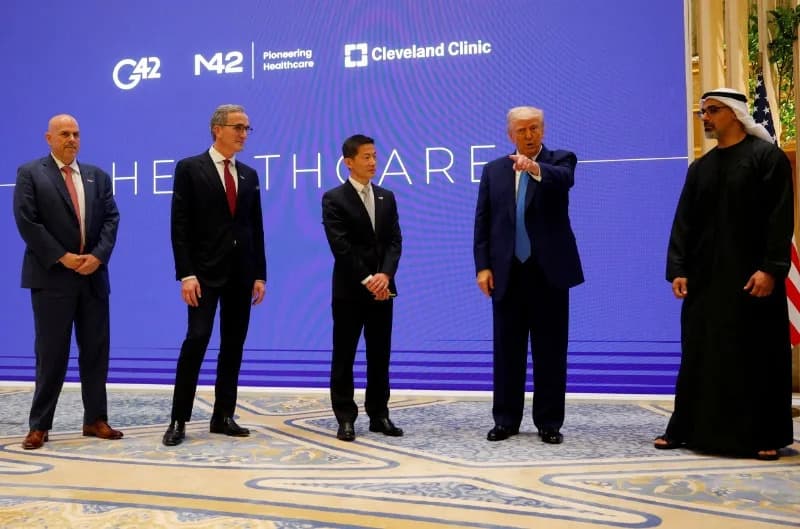
At the heart of this approach is scale. Amazon Web Services has pledged $5.3 billion to build data centers in the kingdom, while state-backed HUMAIN unveiled Arabic-language AI technology this month built on a licensed model from China's MiniMax. That combination—American hardware and cloud investment alongside Chinese software and partnerships—illustrates an intentional, pragmatic strategy rather than a contradiction.
Geopolitical Flexibility Meets Heavy Industry
AI is often discussed as software, but it depends on heavy infrastructure: massive data centers, continuous power, advanced cooling and large tracts of land. The Gulf has all of these. DataVolt is constructing an initial ~100-megawatt, roughly $1 billion compute facility at NEOM with ambitions to scale to 360 megawatts—capacity intended for export and for hosting third-party model training and inference.
Playing Both Sides
The Gulf’s calculus is straightforward. US export controls on advanced chips and systems push Gulf buyers toward Chinese alternatives. Conversely, gaps in Chinese frontier model performance and the dominance of US cloud and accelerator ecosystems keep the Gulf engaged with American firms. Riyadh has reportedly agreed that Chinese frontier models will not be trained on compute procured under US export approvals, even as it keeps commercial ties open with Chinese companies: ByteDance Cloud is building infrastructure in Riyadh, Tencent Cloud has secured a Saudi license, and Lenovo has shipped "Made in Saudi Arabia" laptops.
Bottom line: By owning and offering the physical infrastructure that models run on, Gulf states can extract investment, localization commitments and technology transfer from both sides.
Implications
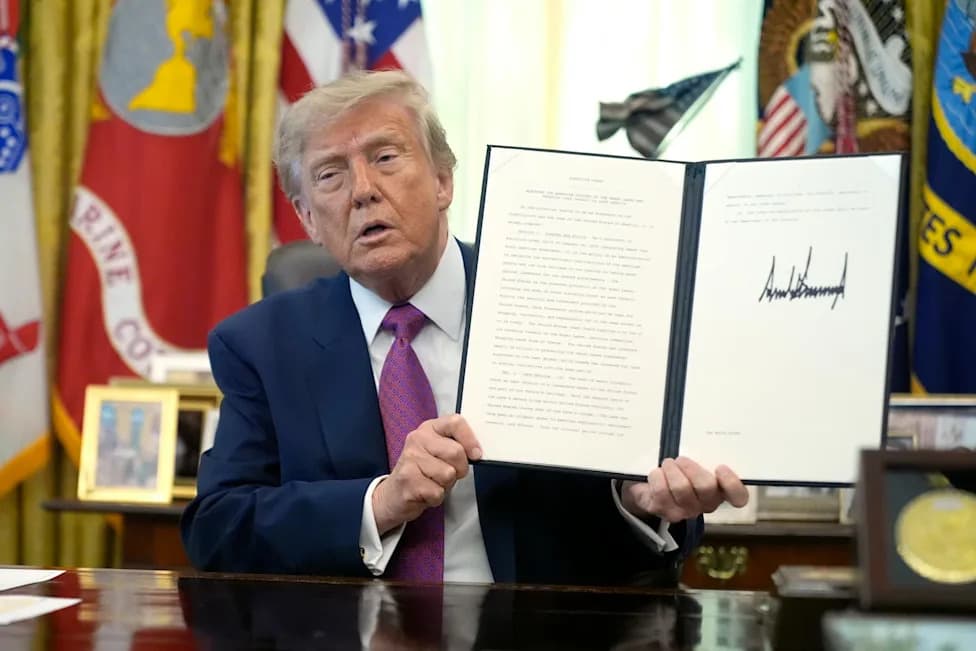
If Washington treats chip access as a foreign-policy lever and Beijing pushes open models to reach markets where its hardware is restricted, Gulf states are likely to follow independent national interests. The competition could therefore look less like two sealed blocs and more like a rivalry where a handful of swing states—rich in compute capacity—can play both sides and reap economic and strategic rewards.
Chinese chipmakers are beginning to close the gap: Shanghai Enflame Technology’s initial public offering was reportedly 6,000 times oversubscribed, according to Nikkei—signaling investor appetite for alternatives to Nvidia.
Help us improve.