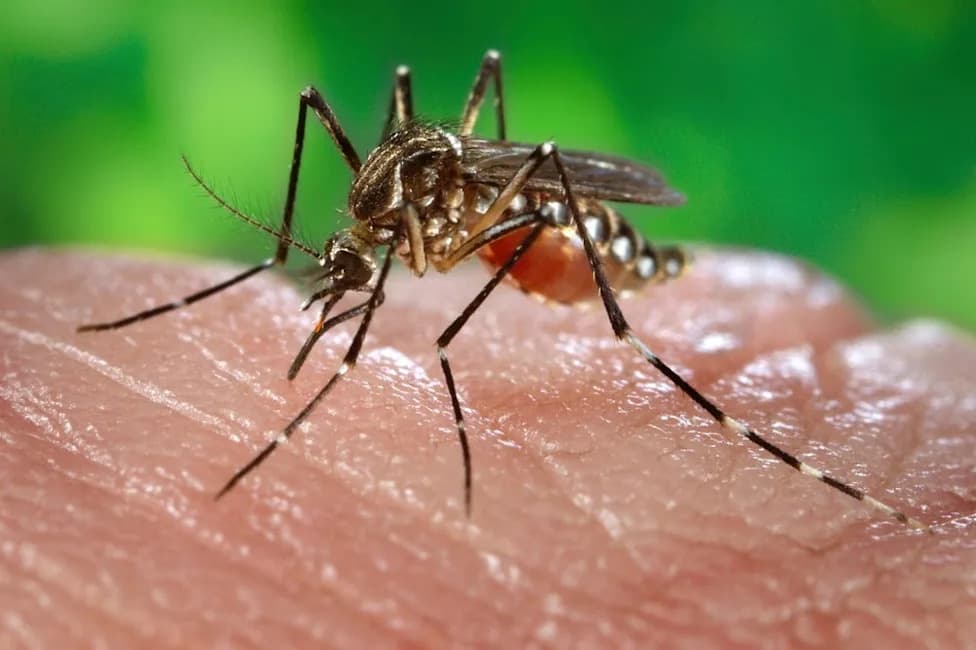
Some U.S. communities are releasing lab‑bred male "ZAP" mosquitoes that carry a bacterium causing eggs from matings with wild females to fail to hatch, reducing local mosquito populations. The EPA approved the method as a biopesticide in 2017 and expanded authorization nationwide in 2023 while committing to continued oversight. Programs target non‑native tiger mosquitoes linked to Zika, dengue and chikungunya, and local reactions range from relief at fewer bites to discomfort over regular releases.
Communities Release Lab‑Bred “ZAP” Mosquitoes To Suppress Biting Populations
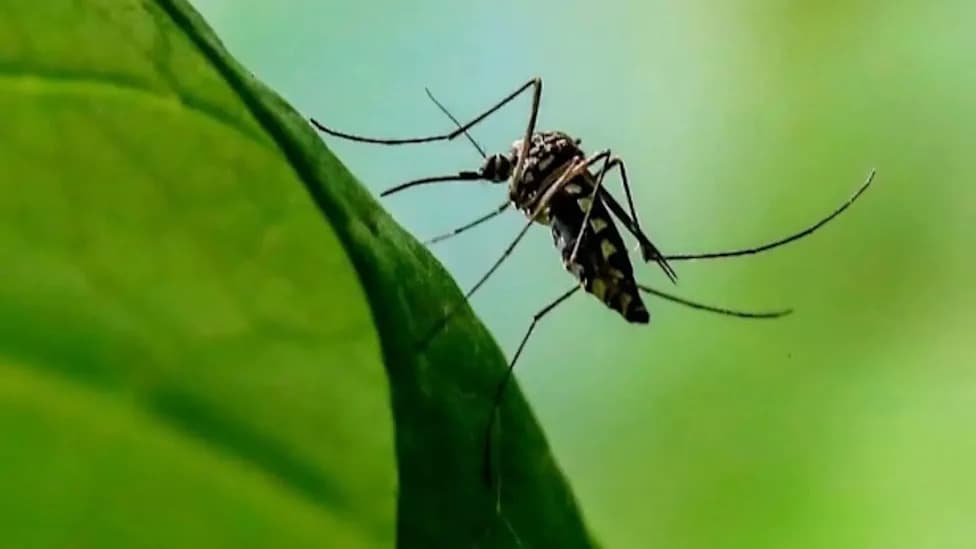
Image Credit: CBS19 / YouTube.
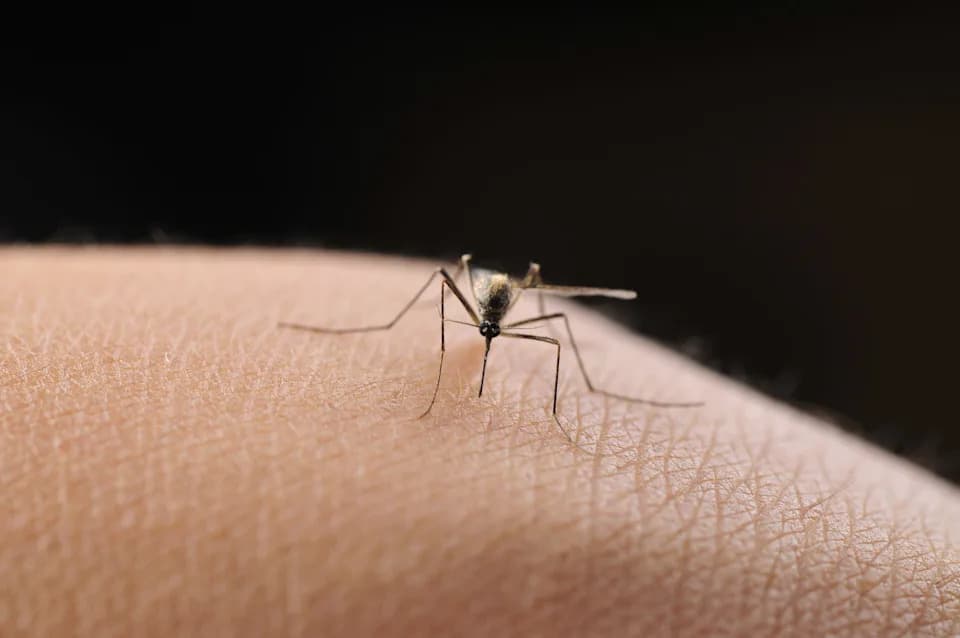
Mosquitoes are persistent pests and vectors of serious disease, prompting some communities to adopt an unusual approach: releasing specially bred male mosquitoes to reduce local populations.
How the ZAP Mosquitoes Work
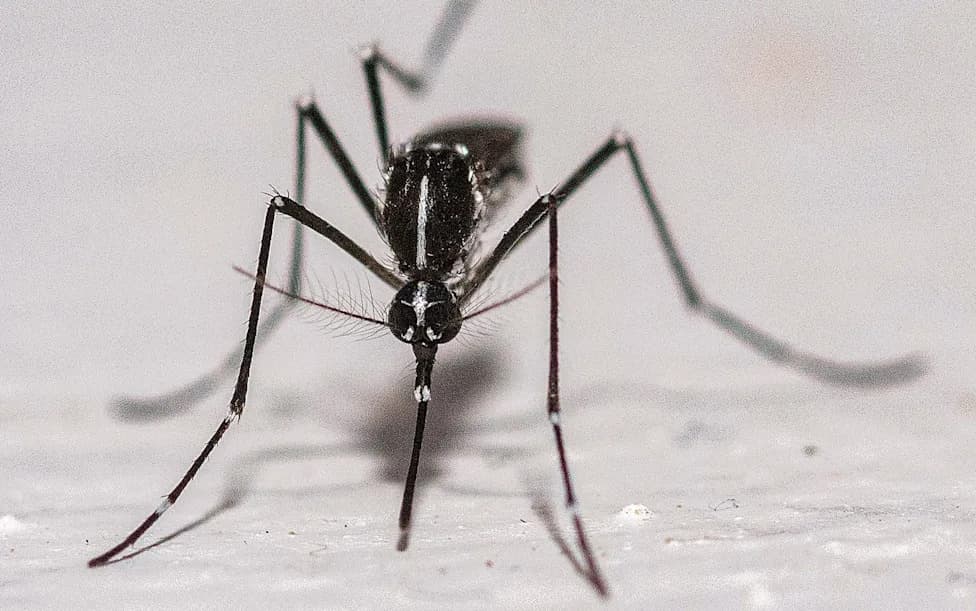
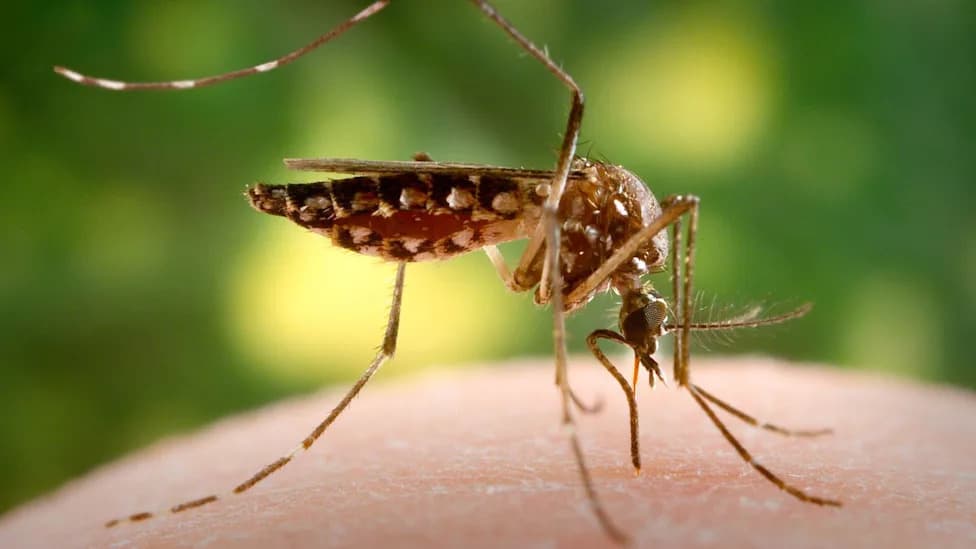
Known locally as "ZAP" mosquitoes, these lab‑bred males carry a gut bacterium that makes them reproductively incompatible with wild females. When ZAP males mate with wild females, the resulting eggs fail to hatch, which over time can reduce the target mosquito population. Programs deploying ZAP mosquitoes are primarily targeting tiger mosquitoes, a non‑native species that can transmit viruses such as Zika, dengue and chikungunya.
Regulatory Status and Oversight
The U.S. Environmental Protection Agency (EPA) approved this approach as a form of biopesticide in 2017. In 2023 the agency amended its authorization to permit use nationwide, while stressing that it will continue to monitor manufacturers and field results to ensure quality and safety standards are met.
Local Experience and Public Reaction
Warmer, wetter seasons have extended mosquito activity in many regions, encouraging public‑health programs to explore biological controls alongside traditional insecticides. Some residents report fewer bites and welcome the reduction in mosquito numbers. Others are uneasy about the scale of releases — one Maryland homeowner told CBS19, "It is a little off‑putting to have, you know, 1,500 mosquitoes released in your yard every week," though he later described the released insects as the "good guys" after noticing fewer bites.
Pros, Cons and What Comes Next
Proponents argue that targeted releases can lower the risk of mosquito‑borne disease without relying solely on chemical pesticides. Critics point to the psychological discomfort of intentionally releasing insects and the logistical challenges of maintaining large‑scale programs. Regulators and vector control agencies say ongoing monitoring, transparent reporting and local engagement will shape whether ZAP‑style releases become a mainstream tool in U.S. mosquito control.
Sources: CBS19 reporting and U.S. EPA statements on biopesticide authorization and monitoring.
Help us improve.