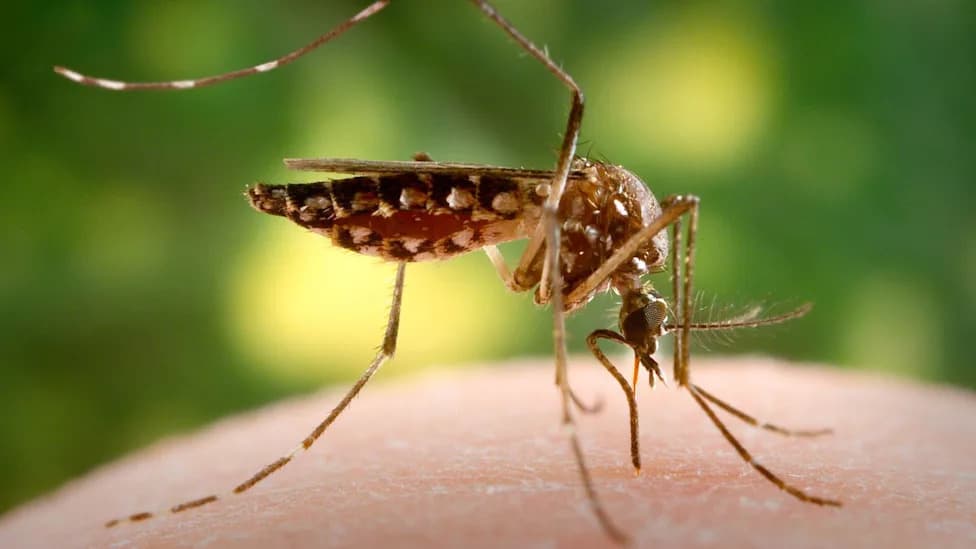
Mosquitoes in Indonesian Papua and parts of sub-Saharan Africa are shifting toward earlier-evening and outdoor biting, undermining the protection of bed nets. The WHO has endorsed passive "spatial emanators" that emit transfluthrin and can repel, stun or kill mosquitoes; trials report roughly one-third reductions in some dengue and malaria outcomes. WHO currently recommends emanators only for indoor use alongside nets because evidence is limited for outdoor or standalone use. Ongoing global trials funded by Unitaid and smaller studies in Papua aim to define where and how emanators can safely complement existing malaria-control tools.
Mosquitoes Are Shifting Their Behavior — Passive 'Spatial Emanators' Offer New Hope
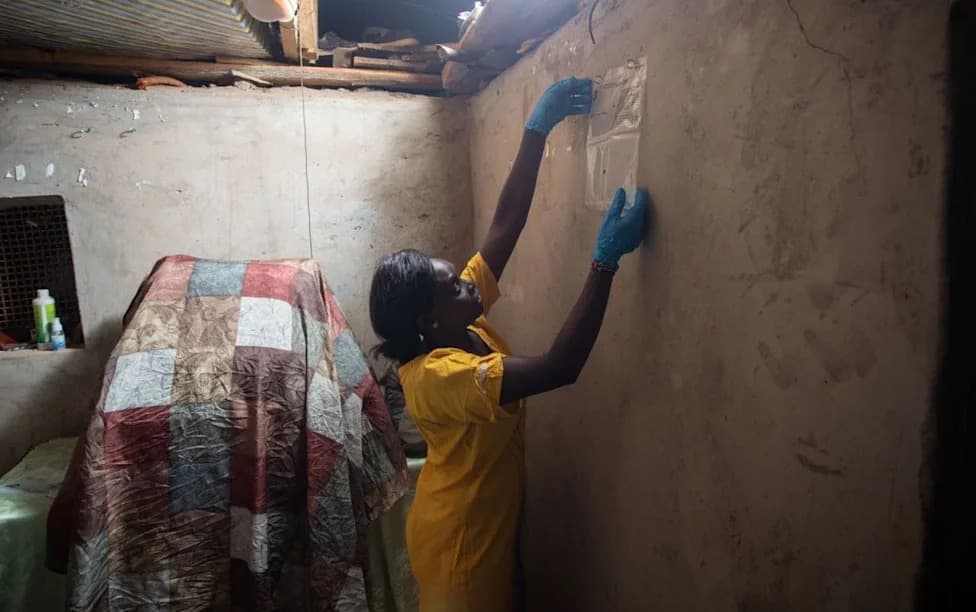
Latest versions of spatial emanators look like a sheets of A4 paper in plastic covers which slowly emits an insecticide into the air. - Uniteaid
In the low mangrove swamps and dense tropical rainforests of Indonesian Papua, mosquitoes have long begun feeding well before nightfall. Early-evening biting — when people gather outdoors and children play — undermines the protection insecticide-treated bed nets provide because many people are exposed before they go under the mesh.
That pattern helps explain why Indonesian Papua remains one of Asia's most persistent malaria hotspots. National figures show cases across Indonesia rose by about 30% last year to 706,000 new infections, with roughly 90% reported in Papua's six provinces.
Changing Mosquito Behavior
A similar shift is being observed in parts of sub-Saharan Africa. Where mosquitoes historically fed mainly at night, a growing body of research indicates species are now biting earlier in the evening or later in the morning, and outdoor biting is becoming more common. In some areas, species that already had these habits are becoming more dominant.
"We're battling evolution. And right now, we're losing," said Prof Neil Lobo, a research professor at the Eck Institute for Global Health, University of Notre Dame. "Mosquitoes are adapting. They're biting outdoors, they're biting earlier in the evening when people aren't under their nets, and they're becoming resistant to the insecticides we use. So we're reaching the limits of what bed nets alone can do."
What Are Spatial Emanators?
Last year the World Health Organization (WHO) endorsed, for the first time in about four decades, a new form of vector control called "spatial emanators." These devices work on a familiar principle — releasing a vapor that affects mosquitoes — but the WHO-approved models are passive: they require no lighting or electrical power.

People with malaria visit a makeshift clinic for treatment in Papua - Neil Lobo
The most recent commercial version, marketed as the "Guardian" by US company SC Johnson & Son, resembles an A4 sheet in a plastic sleeve and slowly releases the insecticide transfluthrin over months (the manufacturer reports up to 12 months of activity). Transfluthrin differs from the compounds used on bed nets: trials have shown it not only repels mosquitoes but can reduce their appetite, stun them, and in some cases kill them after exposure.
"It's not directly like the insecticide-treated bed net, but a proportion [of insects] will die after exposure to the chemicals," said Dr Iqbal Elyazar of the Oxford University Clinical Research Unit (OUCRU) in Indonesia. "The previous name was a mosquito repellent, but when the studies found the mosquitoes were also killed, the name was changed to spatial emanator."
Evidence From Trials
Early trial results are encouraging. A 2022 study in PNAS reported a 34% reduction in infections from Aedes-transmitted viruses (including dengue and Zika) across two years in parts of Peru where emanators were used. A large randomized trial following 6,000 children in Kenya found first-time malaria infections fell by about 33% and overall new cases fell by roughly 32%; those results were published in The Lancet in 2025.
However, WHO's endorsement came with caveats: the agency currently recommends spatial emanators only for indoor use alongside bed nets. Key evidence gaps remain about their effectiveness when used alone, their protection outdoors or in humanitarian emergencies, and their role in managing insecticide resistance.
Ongoing Research And Funding
Some experts warn against allowing enthusiasm to outpace the evidence, especially as malaria-control budgets are pressured. There is concern that emanators could prematurely replace bed nets if policymakers or donors misunderstand the current evidence base.

Larval sampling in a village in Boven Digoel, West Papua - Neil Lobo
To fill the gaps, an international network of researchers is running trials. Unitaid recently committed an additional $36 million to finance larger studies in Cameroon, Kenya and Myanmar, supporting outdoor trials, evaluations in areas with low bed-net coverage, urban studies, and assessments of complementary tools such as insecticide-treated baby wraps.
Smaller, targeted studies are also under way. Prof Lobo has launched a short trial in Papua, funded by the Asian Pacific Leaders Malaria Alliance, which will track malaria incidence over four months in two hotspots, Timika and Keerom. Researchers hope these studies, combined with larger trials, will clarify where emanators work best, their limitations, and whether communities will adopt them in everyday life.
Where Emanators Fit In
Experts stress spatial emanators are not a silver bullet. "They're not going to eliminate malaria on their own, and no single intervention will," Prof Lobo said. Achieving elimination requires breaking transmission between people and mosquitoes by treating human infections and using effective vector-control tools. Spatial emanators may help close gaps left by bed nets, particularly where early-evening and outdoor biting are common.
As research continues, the priority is evidence-based integration: using spatial emanators alongside existing measures where trials show benefit, while avoiding premature replacement of proven tools like insecticide-treated bed nets.
Help us improve.