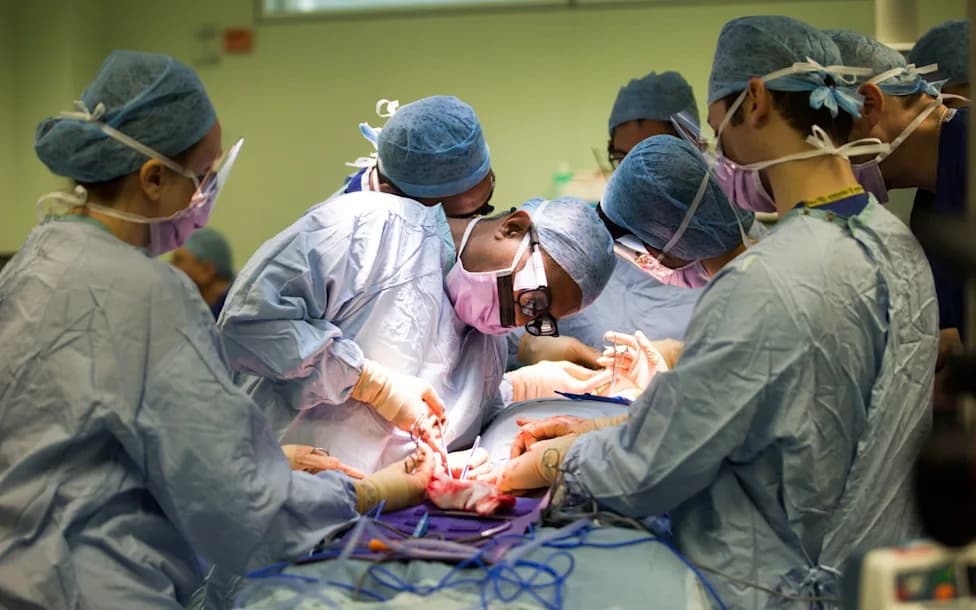
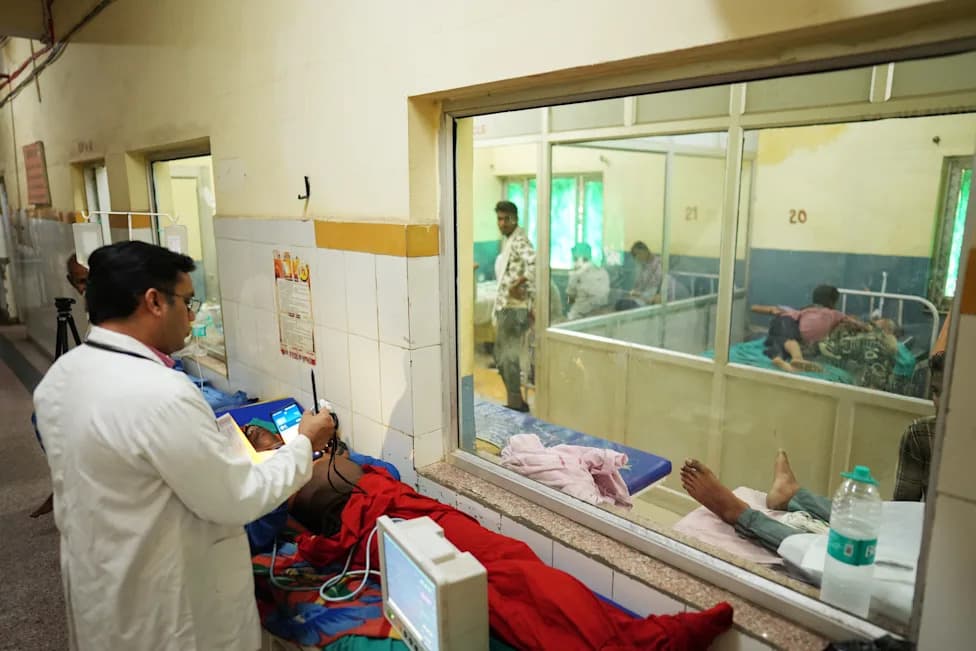
Almost three quarters of A&E staff face regular violence, says the Royal College of Emergency Medicine — a reality confirmed by an A&E doctor in central London. Night staffing has increased since 2013, but assaults (from verbal abuse to bites, stabbings and even CS gas incidents) are rising. Key drivers include overcrowding, reduced mental-health services, difficulty accessing primary care and a lack of social care beds. Staff use training, body cameras and security escorts, yet physical and psychological harm remain common.
Tear-Gassed, Spat On, Bitten: Inside a Day of Violence in A&E
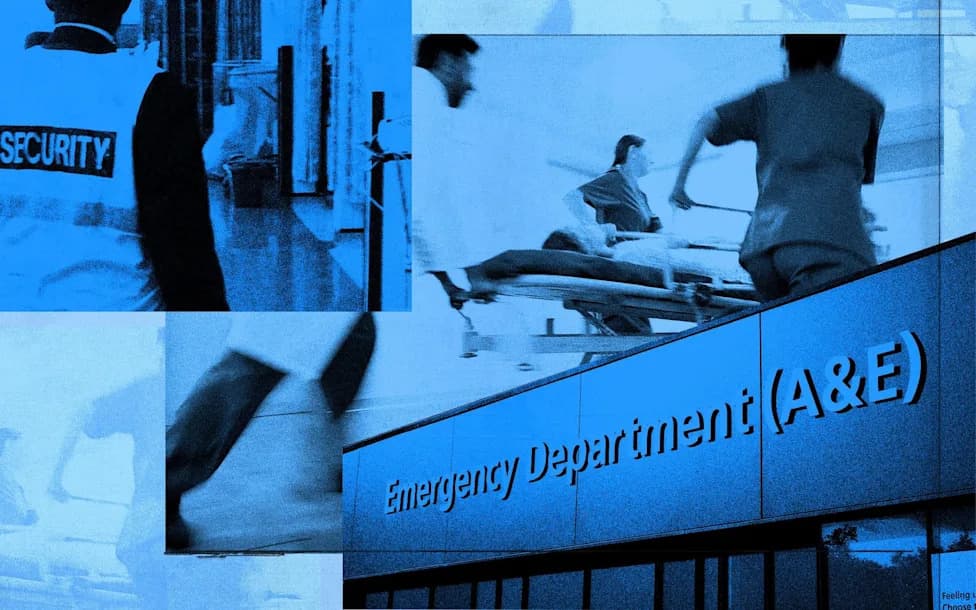
A&E lead visual
The Royal College of Emergency Medicine recently reported that almost three quarters of accident and emergency staff face violence or aggression on a daily or weekly basis. An A&E doctor at a central London hospital describes how that grim statistic plays out on the ground — from verbal abuse to assaults that leave staff physically and psychologically scarred.
A Day in A&E: Escalation and Normalisation
When the doctor began as a junior in 2013, calling security for a violent incident was uncommon. Night teams then typically included three junior doctors and one or two security officers. Today, night rosters often list five or six junior doctors and five security staff — and yet incidents of aggression are more frequent: shouting, threats, physical attacks and repeated calls for security.
Examples of Violence
Staff describe a catalogue of assaults: a patient with mental-health problems punching a nurse at a computer; an intoxicated patient removing his handcuffs and punching a nurse, whose face required stitches after being struck with a ring; a security guard thrown to the floor and later requiring reconstructive knee surgery; a consultant grabbed around the neck; and staff bitten or spat upon, sometimes with blood in their faces.
"You don’t expect to go to work and get a face full of tear gas, nor to be spat on, bitten, kicked or abused. But for A&E staff, it's becoming part of everyday life."
Weapons, Gangs and Patient-on-Patient Violence
Incidents involving knives and guns have shifted from rare and alarming to a daily reality in some urban departments. When gang-related violence is suspected, whole departments may go into lockdown because of the risk of rival groups returning. Patient-on-patient fights in waiting areas also occur; a recent altercation over a trivial dispute about where to place one’s feet resulted in a head wound requiring stitches.
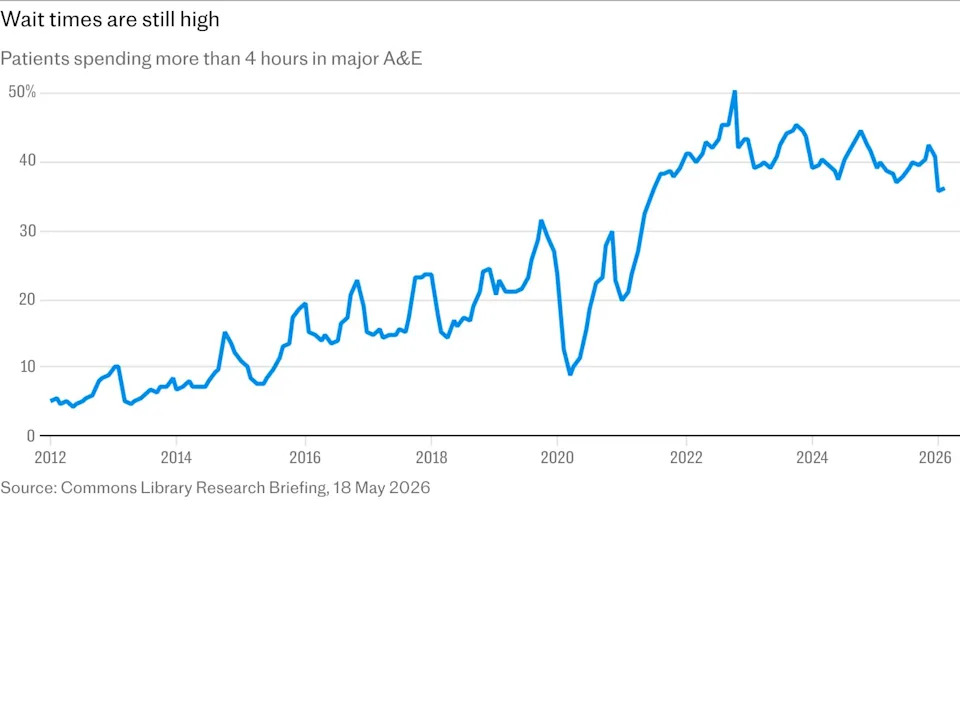
1609 Wait times are still high
Drivers of Violence
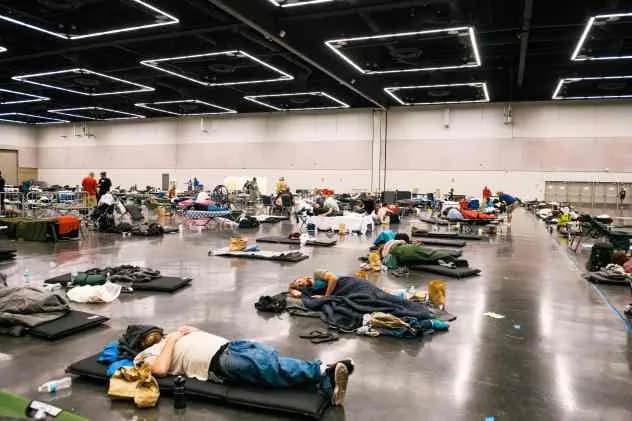
Several systemic pressures increase the risk of aggression: overcrowded A&E departments, reduced access to GPs and scans, cuts in mental-health provision, and a shortage of social care beds that delays ward transfers. Patients and relatives often arrive already stressed after long waits; alcohol, drugs and unmet psychiatric needs frequently combine to create volatile situations.
Consequences for Staff
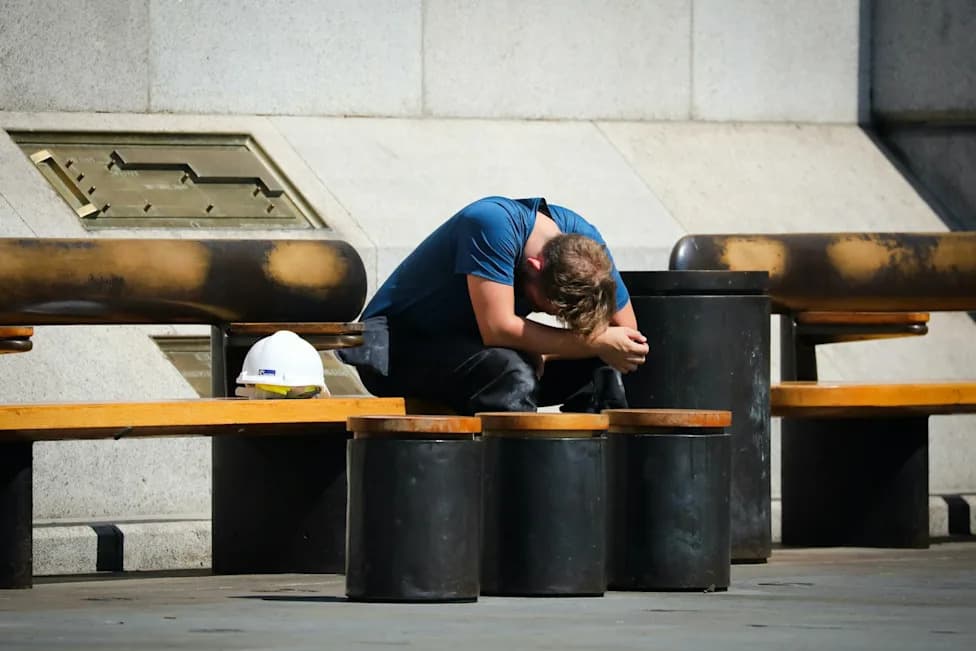
Physical injuries range from cuts and stitches to thumb damage requiring physiotherapy and knee reconstruction. Secondary harms include the need for post-exposure prophylaxis after potential blood-borne virus exposure and long psychological recovery times. Many staff downgrade or change roles to avoid frontline work, contributing to high turnover and chronic understaffing.
Mitigation and Limits
Departments use a range of safety measures: self-defence and de-escalation training, tactical positioning near exits, avoiding sharp objects, body-worn cameras for senior staff, and stab vests for security. Security escorts are provided when staff receive threats. Nevertheless, these measures have limits — including occasions when police have had to discharge CS gas to control an exceptionally violent patient.
What Needs To Change
Addressing A&E violence requires tackling the upstream causes: increased access to primary care and diagnostics, improved community mental-health services, adequate social care to free ward beds, and consistent legal deterrents to assaults on staff. Without systemic change, mitigation in departments will help only so much.
As told to Claire Coleman.
Help us improve.