The mediators in the Iran conflict — Oman, Pakistan and Qatar — are suffering direct economic and security impacts that have made stopping the war an urgent national imperative. Disruptions in the Strait of Hormuz have crippled Qatar’s LNG shipments and strained Pakistan’s fuel supplies, while Iranian strikes have hit Gulf infrastructure and hit Oman and Qatar. Their strong ties to both Tehran and Washington give them leverage, but the economic costs and security risks intensify the push for rapid de-escalation.
Mediators With Skin in the Game: How Oman, Pakistan and Qatar Are Pushing to End the Iran Conflict
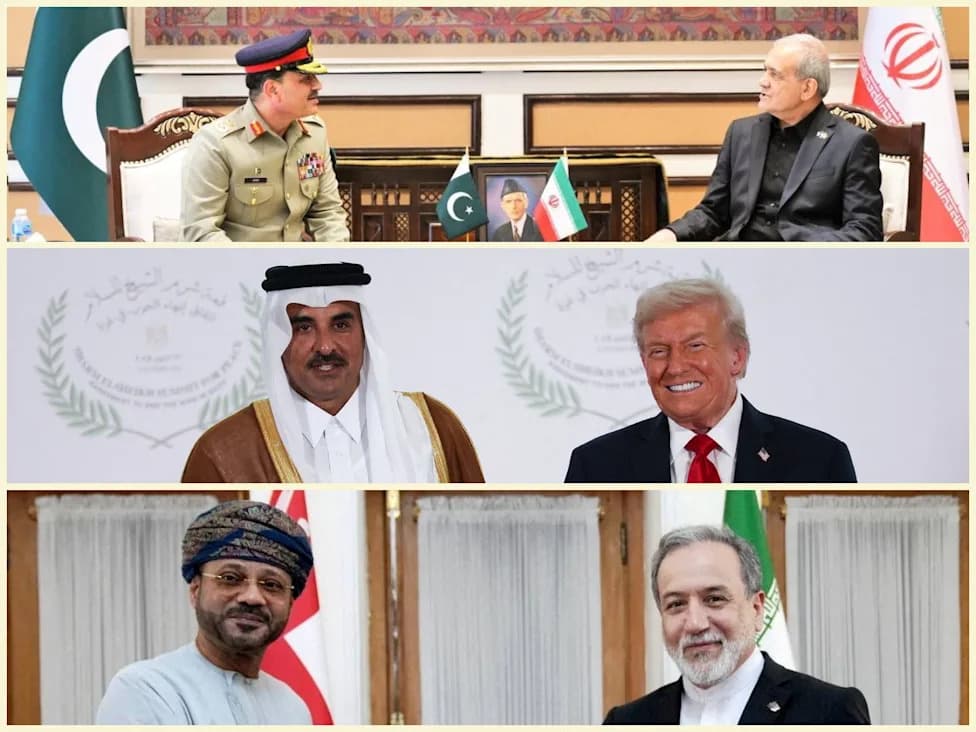
Iran war’s peacemakers also have skin in the game
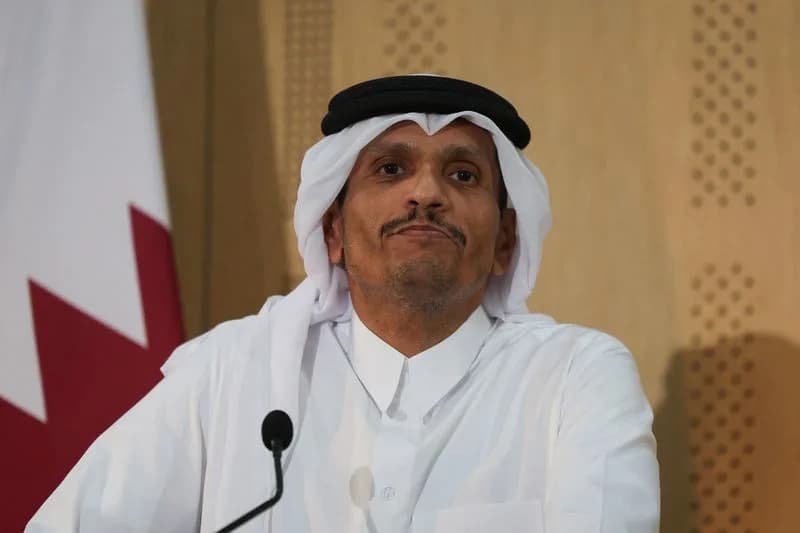
The countries trying to broker an end to the Iran conflict — Oman, Pakistan and Qatar — are themselves being hit by military strikes and economic disruption. That uncommon dynamic has turned mediation from a distant strategic ambition into an urgent national priority for all three states.
Why Their Mediation Matters
Each of these countries enjoys unusually strong ties to both Tehran and Washington, giving them leverage to convey messages and press for de-escalation. Oman has long conducted discreet diplomacy between the US and Iran; Qatar has hosted backchannel talks and facilitated prisoner exchanges; and Pakistan, while newer to high-profile mediation in the Gulf, has historical experience as an intermediary in major diplomatic breakthroughs.
Immediate Economic and Security Stakes
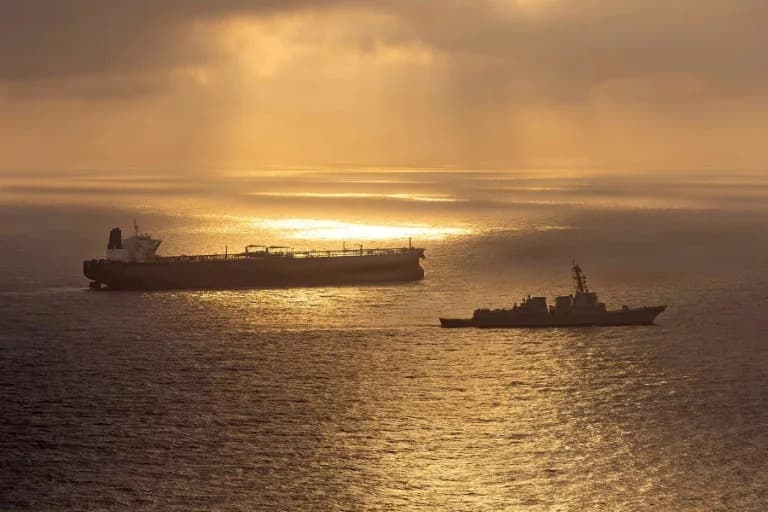
Disruptions in the Strait of Hormuz have severely curtailed Qatar's liquefied natural gas (LNG) shipments and forced Pakistan to scramble for fuel alternatives. The wider regional slowdown is also denting remittances from Pakistanis working across the Gulf. Both Qatar and Oman have suffered direct strikes from Iranian drones and missiles, underscoring the immediate security risk to Gulf infrastructure and trade routes.
Qatar: Energy Exports on the Line
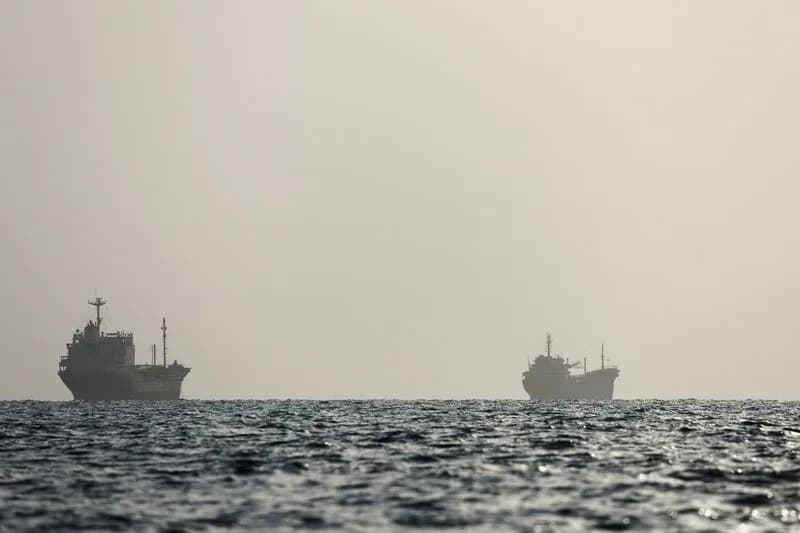
Doha's economy is built on energy exports. Before the conflict, Qatar supplied nearly 20% of the world’s LNG, much of it transiting the Strait of Hormuz. Since March — when Iran effectively shut the waterway — very few LNG cargoes have taken that route. While some oil tankers continue to transit, LNG carriers present greater hazards: they are more flammable, costlier to replace, and harder to repair, making shipowners and insurers reluctant to risk the passage.
Talks about building pipelines as a long-term alternative are impractical for LNG and many Qatari exports, and Doha has opted not to pursue large-scale rerouting. That makes keeping diplomatic channels with both Tehran and Washington a pressing economic necessity.
Pakistan: Energy Shortages and Economic Pressure
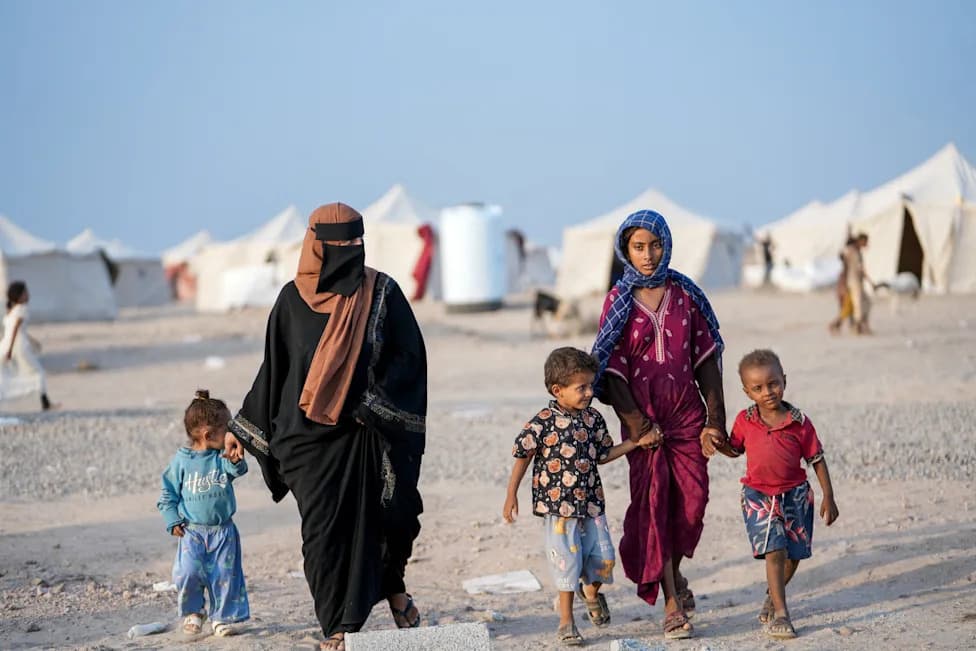
Pakistan faces a different but acute vulnerability. The loss of Qatari LNG supplies has forced Islamabad to consider costlier fuel imports or extended nightly blackouts. The fall in remittances from Gulf-based workers compounds fiscal strain. Islamabad’s choice to engage stems from what Rabia Akhtar, dean of social sciences at the University of Lahore, calls “the cost of staying on the sidelines.” Pakistan has not been directly attacked, but officials worry that regional escalation — including Houthi strikes — could draw it into wider confrontation.
Oman: Balancing Act Under Pressure
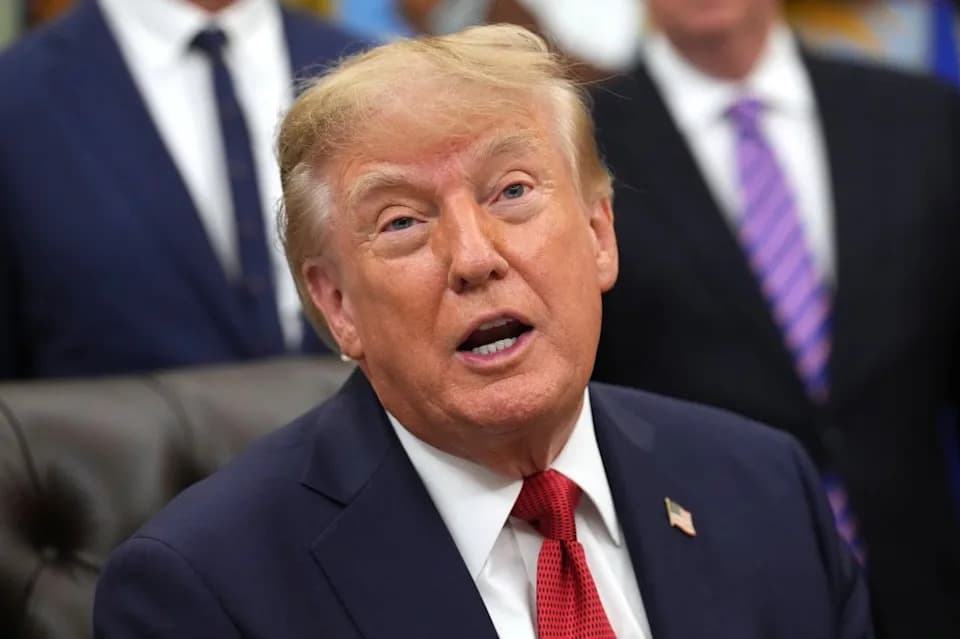
Oman’s oil and gas exports have so far continued, and its economy has shown resilience, but Muscat has been struck multiple times and has faced direct pressure from the United States over its mediating role. Former President Donald Trump once warned Oman, saying, 'If Oman gets in the way, we'll bomb the s*** out of them.' The US has also urged Oman to limit financial and aviation ties with Iran, including talks about Mahan Air’s flights, according to US officials.
Mediation Motivated by National Survival
Because their economies and populations are directly exposed to the fallout, Oman, Pakistan and Qatar have incentives to press all sides toward a settlement. As Talal Abdulla Al-Emadi, an energy law professor at Qatar University, puts it: neutrality in mediation does not require having no stake in the outcome; it requires remaining unaligned with either side’s partisan ambitions.
'In the case of Qatar, so much is at stake for them. Their wealth, their future, everything is tied to the physical location where they're located,' said Alex Vatanka of the Middle East Institute. 'The Qataris want to continue being mediators not because they like the Iranians... it's because they don't have an option.'
All three countries are pressing to resume talks around the United Nations General Assembly and are using diplomatic channels to convey messages between Tehran and Washington. But fast-changing battlefield events and political pressures make negotiations volatile and unpredictable.
What To Watch
- Whether Qatar, Oman and Pakistan can leverage their ties to spur meaningful direct talks between Tehran and Washington.
- How disruptions to Gulf energy routes and declines in remittances shape domestic politics in each country.
- Whether pressure from the US and the risk of Houthi-linked escalation will draw Pakistan or others into a broader confrontation.
For these mediators, peacemaking is no longer just a diplomatic role — it is a form of self-protection.
Help us improve.