Retired Brig. Gen. Blaine Holt warned that drones are becoming the "weapon of choice" for terrorists and state actors because they are cheap and easy to build. He said defenses are lagging but noted that effective counter-drone systems are emerging. Holt urged rapid distribution of countermeasures to state and local law enforcement and called for public debate on civilian defensive tools. He also highlighted the dual risk from both large impact-capable drones and tiny surveillance microdrones.
Retired Brig. Gen. Blaine Holt: Drones Are Becoming the 'Weapon of Choice' — Calls for Faster Deployment of Countermeasures
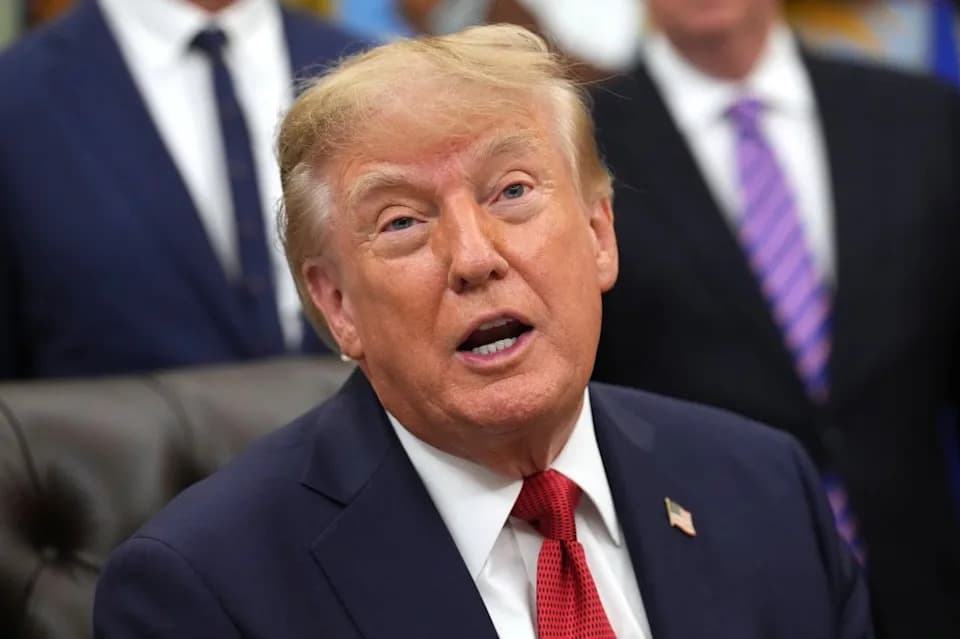
Newsmax photo
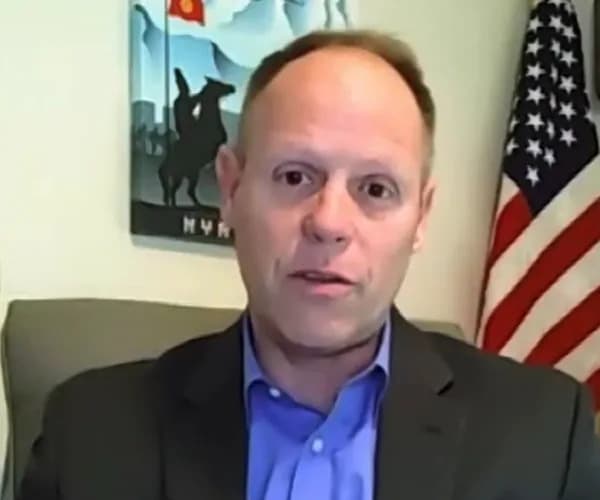
Retired U.S. Air Force Brig. Gen. Blaine Holt warned that drones are poised to become the "weapon of choice" for terrorists and state actors because they are inexpensive to build, simple to operate, and widely accessible. He urged faster deployment of counter-drone systems to law enforcement and a national discussion on which defensive tools civilians should be allowed to possess.
Why Drones Are a Growing Threat
Holt explained that the rapid pace of drone innovation has left defensive systems scrambling to keep up. "You have a new weapon that hits the battlefield. The counter to that weapon usually lags behind in development," he told Newsmax's America Right Now. He emphasized that the low technical and financial barriers mean dangerous systems can be built by people with modest skills and off-the-shelf components.
"For a time, they will be the weapon of choice until we proliferate the counters to them," Holt said. "That's why it's so important to get the counters out there."
Types Of Risk: Kinetic And Surveillance
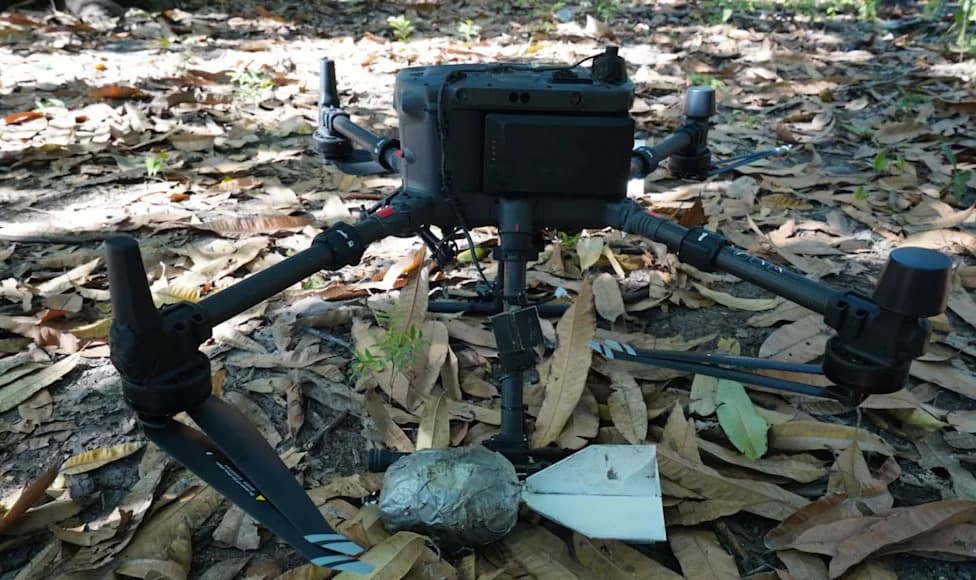
Holt noted that a drone does not need to carry explosives to be harmful. "You don't even have to have one that drops anything," he said. "You can actually make a big enough drone at home to become ballistic all by itself and fly it into something and hurt something." He also warned about tiny microdrones—"things that are the size of bumblebees"—which pose both surveillance and security challenges.
Countermeasures And Policy Recommendations
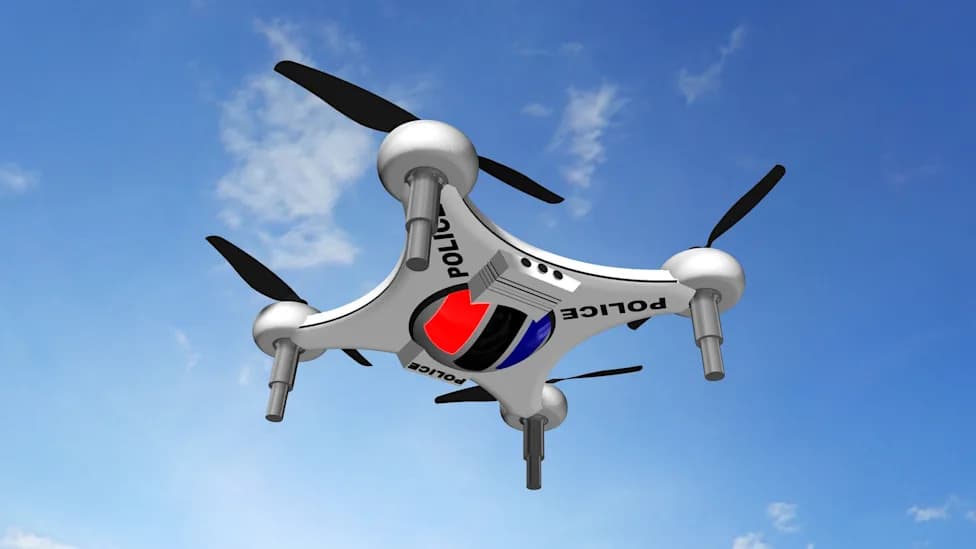
Despite the threat, Holt expressed cautious optimism: the U.S. Army and other agencies are developing effective counter-drone weapons and tactics. "There are weapons now to counter drones coming into existence that are extremely effective," he said. Holt urged rapid distribution of those technologies to state and local law enforcement "as soon as humanly possible," while calling for a broader public debate about what defensive capabilities private citizens should be permitted to hold.
Conclusion: Drones present a fast-evolving dual threat of kinetic attack and covert surveillance. Holt's message is twofold: accelerate fielding of reliable countermeasures to local authorities, and engage policymakers and the public on sensible limits and safeguards for defensive technologies.
Help us improve.