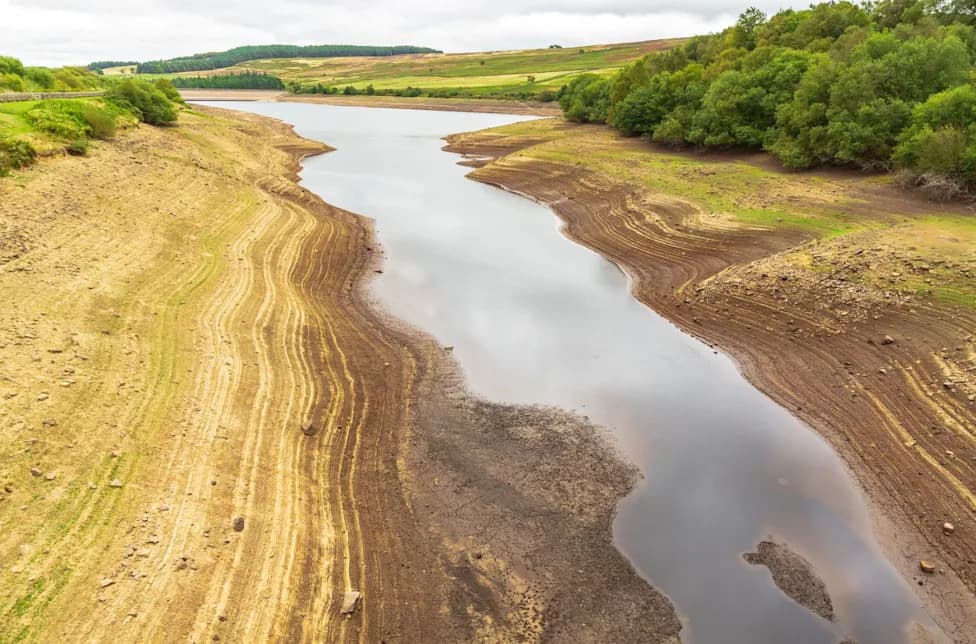
Researchers at Carnegie Mellon are studying microbes beneath Hazelwood Green, a 178‑acre former steel site on the Monongahela River, to see if they evolved the ability to break down legacy pollutants such as petroleum hydrocarbons, heavy metals and BTEX compounds. Using metagenomic sequencing, lab culturing and robotic screening at the AI Science Foundry, the team screens strains and genomes for biodegradation potential. Open‑source tools like BTEXgenie help identify genes linked to pollutant breakdown, potentially speeding up targeted bioremediation while reducing long‑term monitoring needs.
Underground Allies: Hazelwood Green Bacteria Could Help Clean Up Steel‑Era Pollution
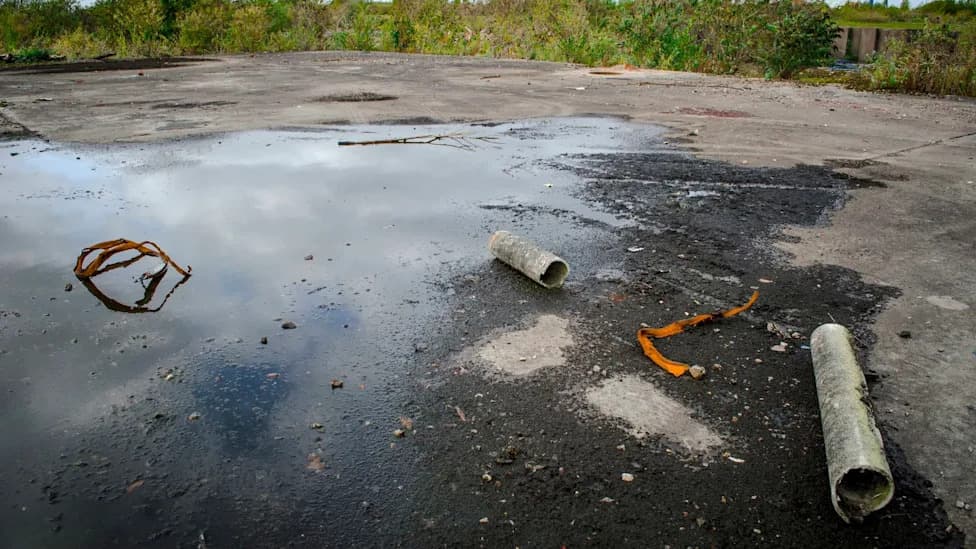
Photo Credit: iStock
Researchers studying one of Pittsburgh’s largest redevelopment projects say the microbes surviving beneath Hazelwood Green — a 178‑acre former steel and industrial tract on the Monongahela River — may provide new tools for cleaning long‑lasting pollution left by more than a century of steel production.
At Carnegie Mellon University, teams are combining field sampling, metagenomic sequencing and lab experiments to catalogue subsurface microbial communities and test whether those organisms can break down legacy contaminants such as petroleum hydrocarbons, heavy metals, and BTEX compounds (benzene, toluene, ethylbenzene and xylene), several of which are known carcinogens.
How the Research Works
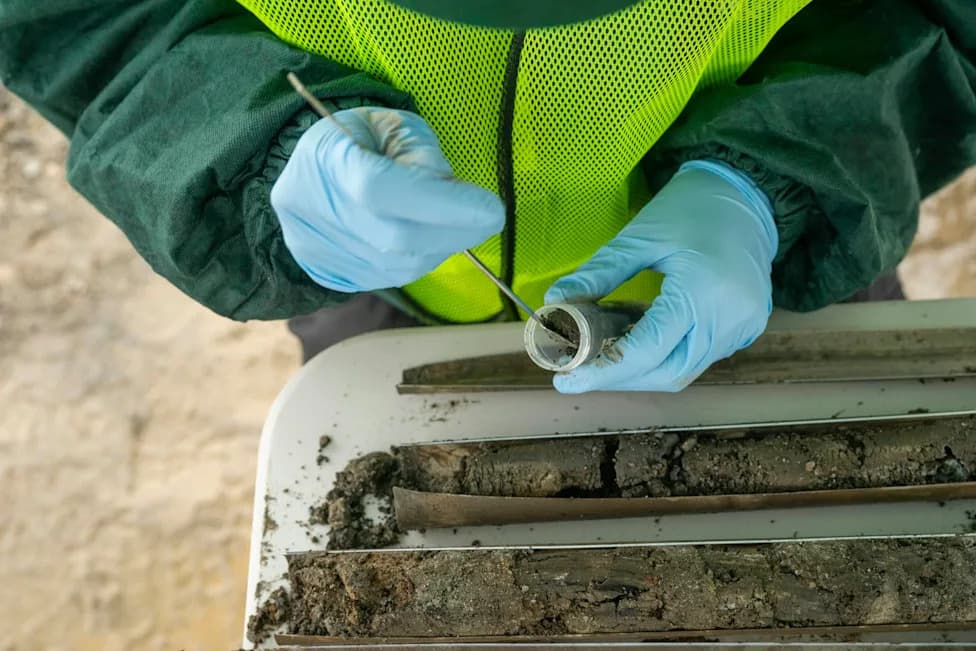
Scientists extract deep soil cores and use metagenomic sequencing to identify which microbes live below the surface and which metabolic genes they carry. To test activity, they culture bacterial isolates in the lab using growth conditions where a pollutant is the only available carbon source — growth under those conditions suggests the microbes can metabolize that contaminant.
Speeding Discovery With Automation and Software
To scale up screening, researchers are partnering with Carnegie Mellon’s AI Science Foundry at Bakery Square, itself a remediated brownfield. Robotic platforms there can assay thousands of bacterial strains in parallel and quantify how effectively they break down BTEX compounds. In addition, the team is developing open‑source bioinformatics tools, including a program called BTEXgenie, to scan genomes for genes linked to pollutant degradation.
Why This Matters
Conventional remediation — removing contaminated soil or capping it with clean fill — can restore land use but often leaves deeper contamination requiring long‑term monitoring. Locally adapted microbes that degrade contaminants in situ could make bioremediation faster, cheaper, and more effective.
The researchers emphasize that while the early results are promising, more work is needed to confirm which microbes are effective in real environmental conditions, how they interact with contaminants and metals, and whether they can be safely deployed or stimulated in the field.
As redevelopment expands across former industrial parcels in Pittsburgh and the wider Rust Belt, this research highlights an unexpected resource beneath the surface: microbial communities that have been adapting to pollution for decades and that could inform the next generation of remediation technologies.
Help us improve.