Researchers sampled 32 radiation-fog events and found that, while fewer than 1% of individual droplets carry bacteria, the droplets collectively contain microbial concentrations comparable to ocean or continental waters. Each event averaged 188 distinct bacterial signatures, with Methylobacterium common and able to rapidly metabolize formaldehyde into CO2. Microscopy showed bacteria growing inside droplets, indicating fog can act as an active microbial habitat that may influence air quality.
Fog Is Alive: Bacteria in Low Clouds Break Down Air Pollution
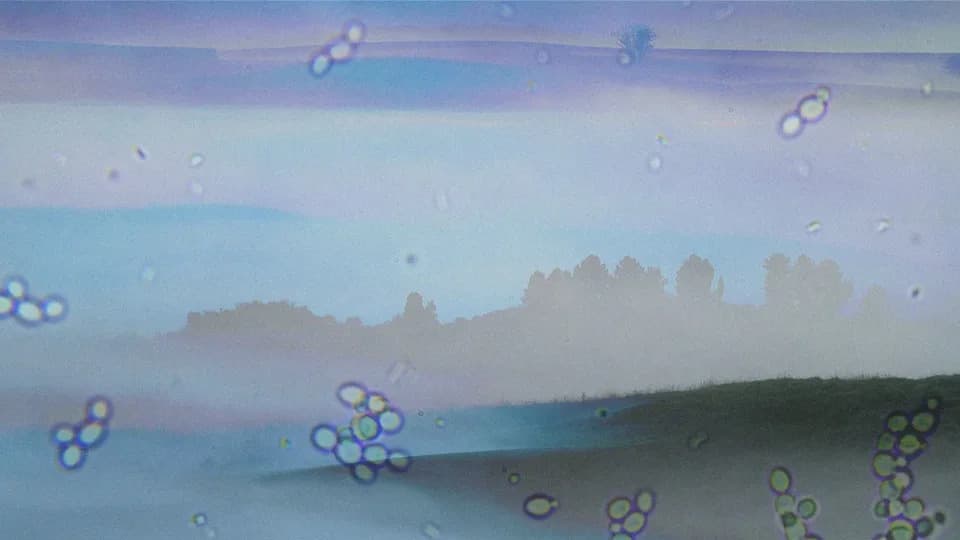
Fog can have microbial concentrations similar to the ocean. | Credit: Illustration by Julia Wytrazek / Getty Images
Fog is more than a mood-setting weather phenomenon — it can be a living, breathing micro-ecosystem. A new study published in mBio analyzed samples from 32 separate radiation-fog events and found that fog droplets host diverse bacterial communities that actively alter the chemistry of the air.
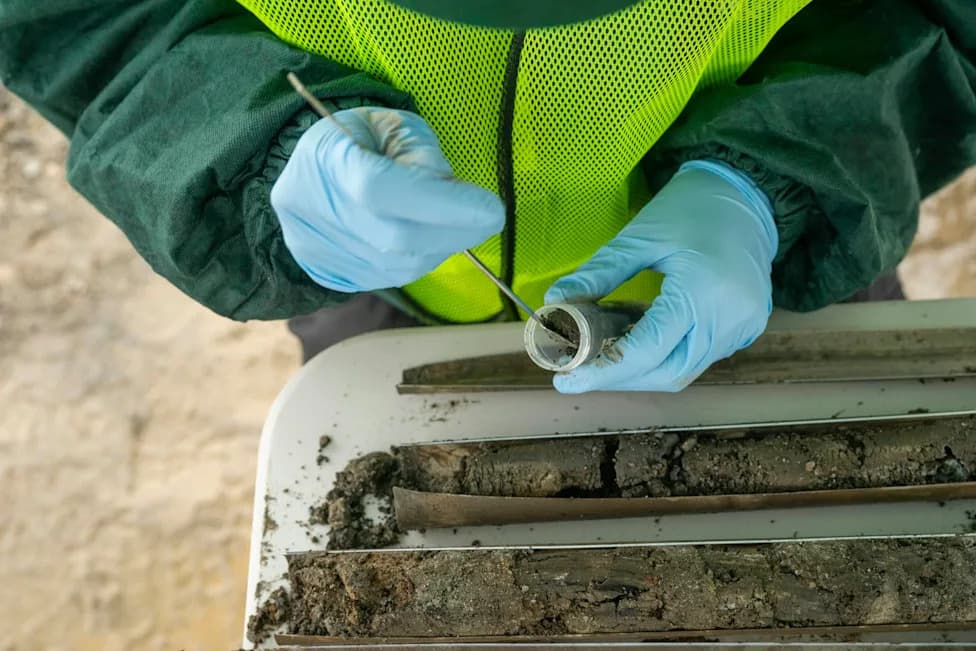
What the researchers did: Scientists collected fog-water samples and aerosol particles before, during, and after fog formation to compare the microbial makeup of fog droplets with the surrounding air. Radiation fog — the calm, ground-level fog that forms on clear nights as the ground cools — was the focus of this work.
Key findings
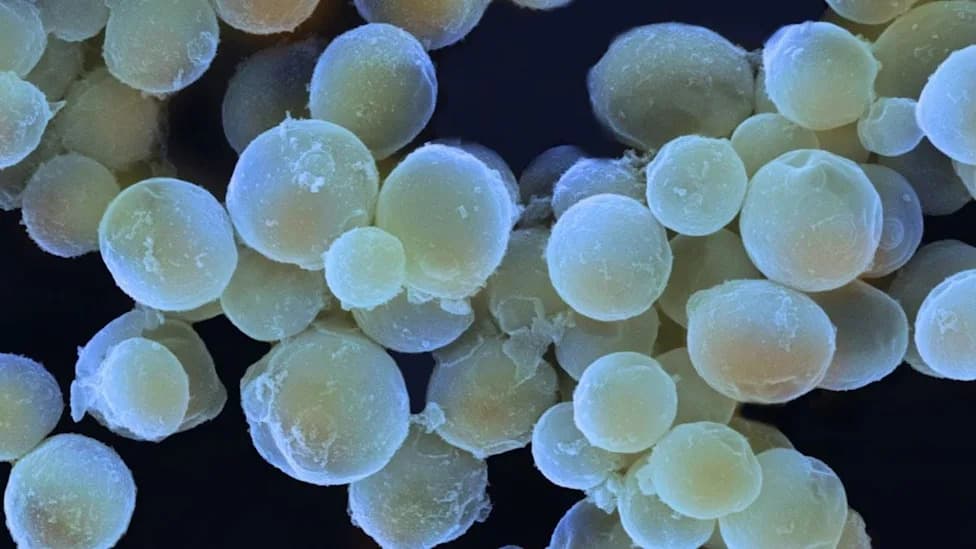
Although fewer than 1% of individual fog droplets contained bacteria, the droplets taken together carried microbial concentrations comparable to those found in continental or marine bodies of water. On average, each fog event yielded 188 distinct bacterial signatures, and the microbial communities in fog were consistent across events yet different from dry aerosol communities.
Among the most abundant organisms identified was Methylobacterium. These bacteria consume single-carbon compounds such as formaldehyde — a common air pollutant produced by combustion that contributes to smog and poses health risks. In laboratory and sample analyses, Methylobacterium metabolized formaldehyde rapidly, converting it into carbon dioxide, which both reduces the pollutant's toxicity and provides a carbon source for the microbes.
Microscopic observations confirmed that bacteria inside droplets were growing and dividing, demonstrating that fog can function as a habitat rather than merely a transport medium. Lead author Thi Thuong Thuong Cao (Arizona State University) and collaborators including Ferran Garcia-Pichel (ASU) and Derek Straub (Susquehanna University) highlight that active microbial metabolism in fog droplets could influence local atmospheric chemistry, air quality, and possibly climate-linked processes.
Implications
These findings shift our view of low-lying clouds: fog droplets can be miniature reactors where microbes feed, reproduce, and break down pollutants. The study raises new questions about whether natural fog contributes meaningfully to air cleaning in some regions and whether microbiological factors should be considered when harvesting fog for potable water.
"There is a tremendous amount happening inside those droplets that we are only beginning to understand," said Derek Straub, coauthor of the study.
Further research is needed to quantify how much pollution fog-borne microbes can remove at larger scales and how environmental conditions affect these microbial processes. For now, the work reveals an unexpected, potentially beneficial role for fog in air chemistry.
Help us improve.