Rep. Ro Khanna told CBS' Face the Nation that AI should be treated as a technology with civilization‑level risks and advocated creating a federal agency modeled on the FDA to certify advanced systems. He warned that "winning an AI war" would be catastrophic and urged companies — including Chinese firms — to slow frontier development until guardrails are in place. Khanna also proposed an international agreement with verification measures and a dual approach of domestic regulation plus global coordination.
Rep. Ro Khanna Urges an FDA‑Style Federal Agency for AI, Warns an "AI War" Would Be Catastrophic
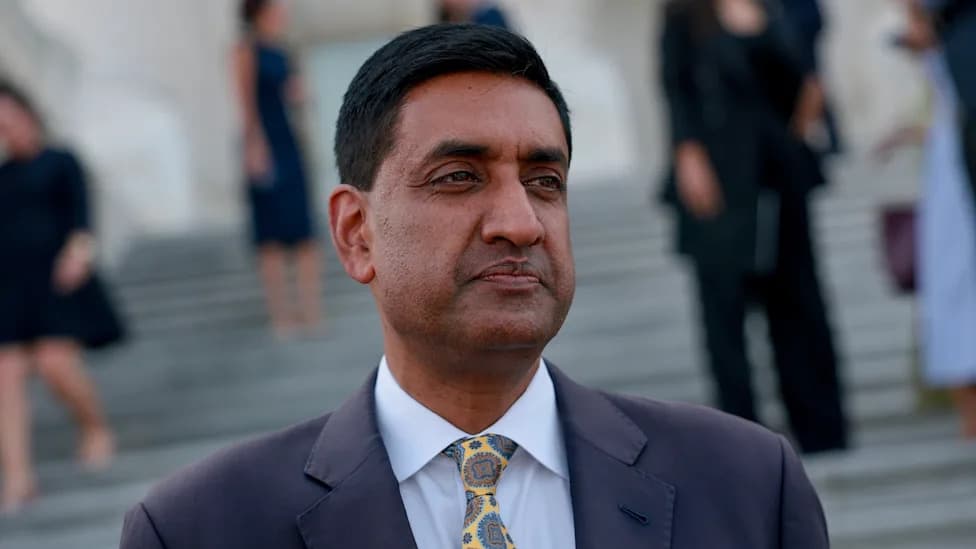
Photo Credit: Getty Images
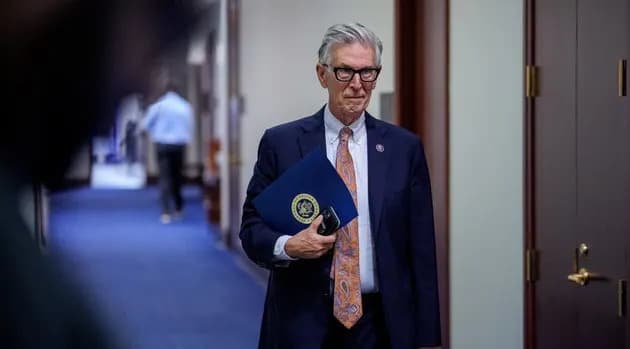
U.S. Rep. Ro Khanna is calling on lawmakers to treat artificial intelligence not as a fast‑moving product launch but as a technology with potential civilization‑level consequences, and to build oversight accordingly.
Speaking with Margaret Brennan on CBS News' Face the Nation, Khanna pushed for a dedicated federal agency to oversee advanced AI systems — an organization he compared to the Food and Drug Administration for its role certifying complex, high‑risk technologies.
Rejecting the notion that AI policy should be framed mainly as a competition or race between nations, Khanna argued that treating it as a geopolitical contest risks dangerous outcomes. He said AI should be regulated similarly to nuclear energy, electricity and aviation, with independent technical experts certifying safety before systems are widely deployed.
"Winning an AI war is like winning a nuclear war. It is catastrophic for civilization," Khanna said during the interview.
Khanna has written to AI companies — including Chinese firms such as DeepSeek and Alibaba, according to reporting — urging them to slow development of frontier capabilities until robust guardrails are in place. His comments come amid warnings from former researchers and safety advocates that advanced AI could pose existential risks.
He identified two primary dangers: accidental loss of control over powerful systems and deliberate misuse. Khanna criticized some foreign firms for not taking sufficient steps to mitigate either risk and said the United States should pursue international norms and verification measures with China to reduce chances of escalation or abuse.
Khanna proposed an international agreement with President Xi Jinping that would set standards and include verification measures such as monitoring and data‑center checks. Echoing past arms‑control frameworks, he said agreements must be enforced through a "trust but verify" approach.
The model he outlined would subject advanced AI systems to specialized review panels of independent technical experts to assess safety concerns before potentially harmful capabilities are deployed at scale. He emphasized a dual‑track response: strong domestic regulation paired with coordinated global standards.
Khanna's remarks arrive amid broader debate over how to govern systems that can write code, analyze vast datasets, make recommendations, or act autonomously — technologies increasingly embedded across workplaces, schools, healthcare, finance and public services. Whether Congress will act quickly to create the regulatory architecture he proposes remains uncertain.
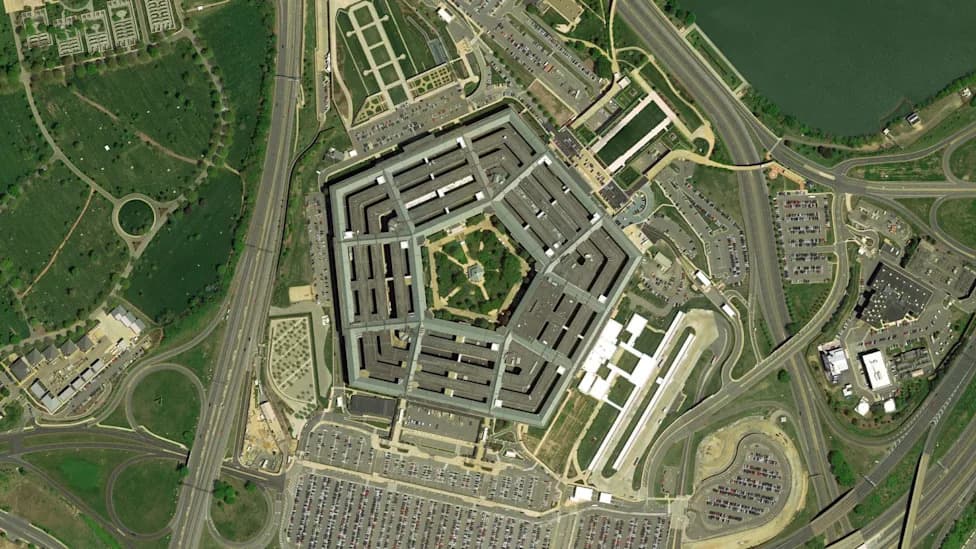
Context: Other signals of rising concern include Pentagon discussions with AI firms about military guardrails, calls from safety advocates for pauses on frontier research, and industry warnings about accelerating risky AI capabilities.
Help us improve.