Lisa Nandy has vowed to strengthen the law so publishing people's home addresses online becomes a specific criminal offence after RNLI volunteers were doxxed. She met social media firms, criticised X for not attending and reported inconsistent removal policies across platforms. BBC Verify found viral posts misidentifying RNLI crew and encouraging harm. Nandy also urged Ofcom to speed up enforcement of the Online Safety Act.
Lisa Nandy Pledges Tougher Action on Doxxing After RNLI Volunteers Targeted Online
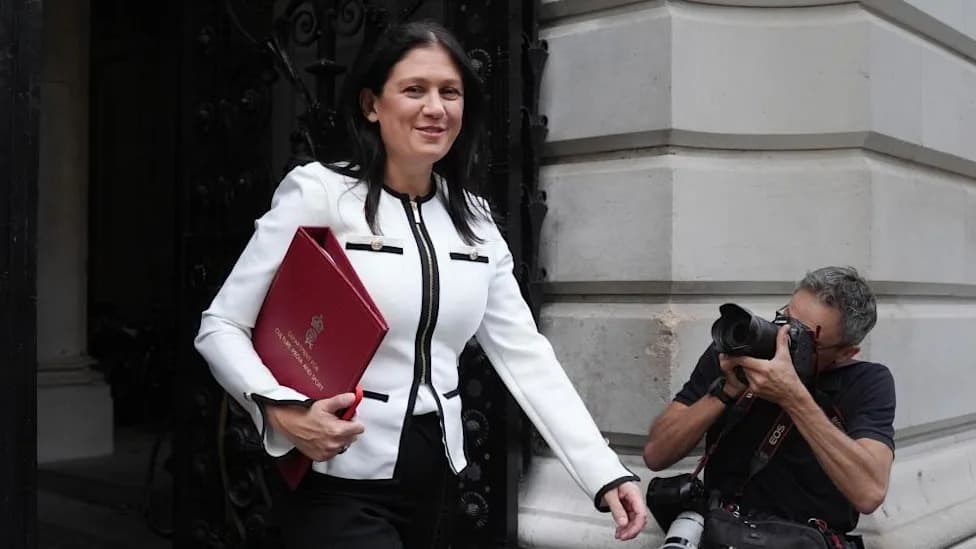
The Culture Secretary has said tougher action is needed on 'doxxing' [PA Media]
Culture Secretary Lisa Nandy has pledged to tighten the law to make doxxing — the publication of people’s home addresses and other personal details online — a criminal offence after volunteers involved in English Channel rescues had their personal information shared publicly.
What Nandy Is Proposing
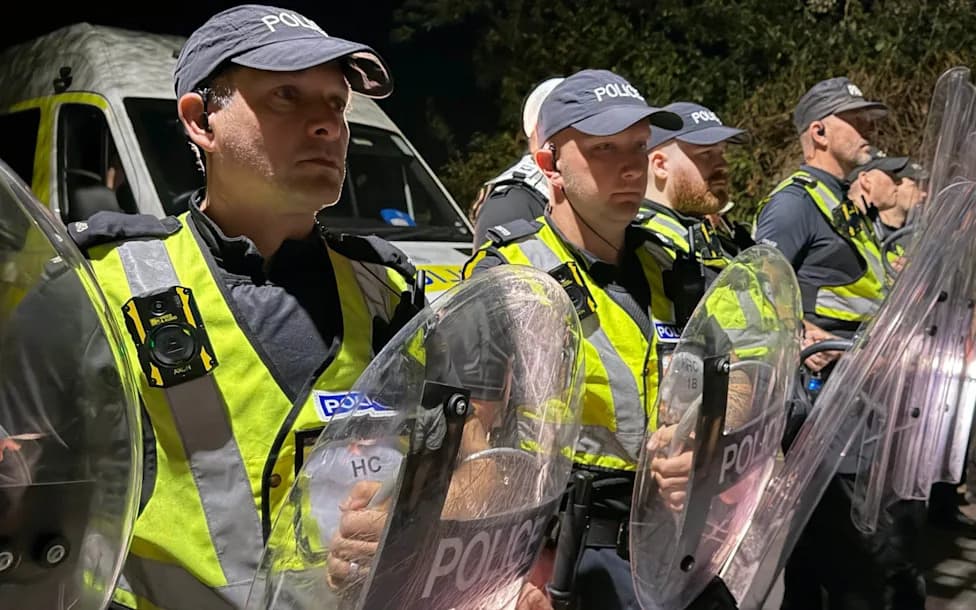
Nandy said the government intends to clarify the law so that publishing someone’s address online is explicitly an offence, rather than relying on existing offences that require proof of intent to cause fear, harm or distress. She told BBC Breakfast she was 'appalled' that RNLI volunteers, police officers, social workers and journalists had been doxxed — with names, photos and home addresses posted online.
Meeting With Social Media Firms
The culture secretary convened a meeting with major social media platforms to press them on removing doxxing content. She reported widely varying standards between companies: TikTok told her it would automatically remove doxxing posts, while Meta (owner of Facebook and Instagram) reportedly said it would not remove them automatically. Nandy criticised the platform X for failing to attend, calling its absence a 'disgrace' and saying it demonstrated contempt for people’s safety.
A source close to Meta told reporters the company removes content that shares, offers or solicits personally identifiable information that could lead to physical harm.
Context: RNLI Incidents And Online Abuse
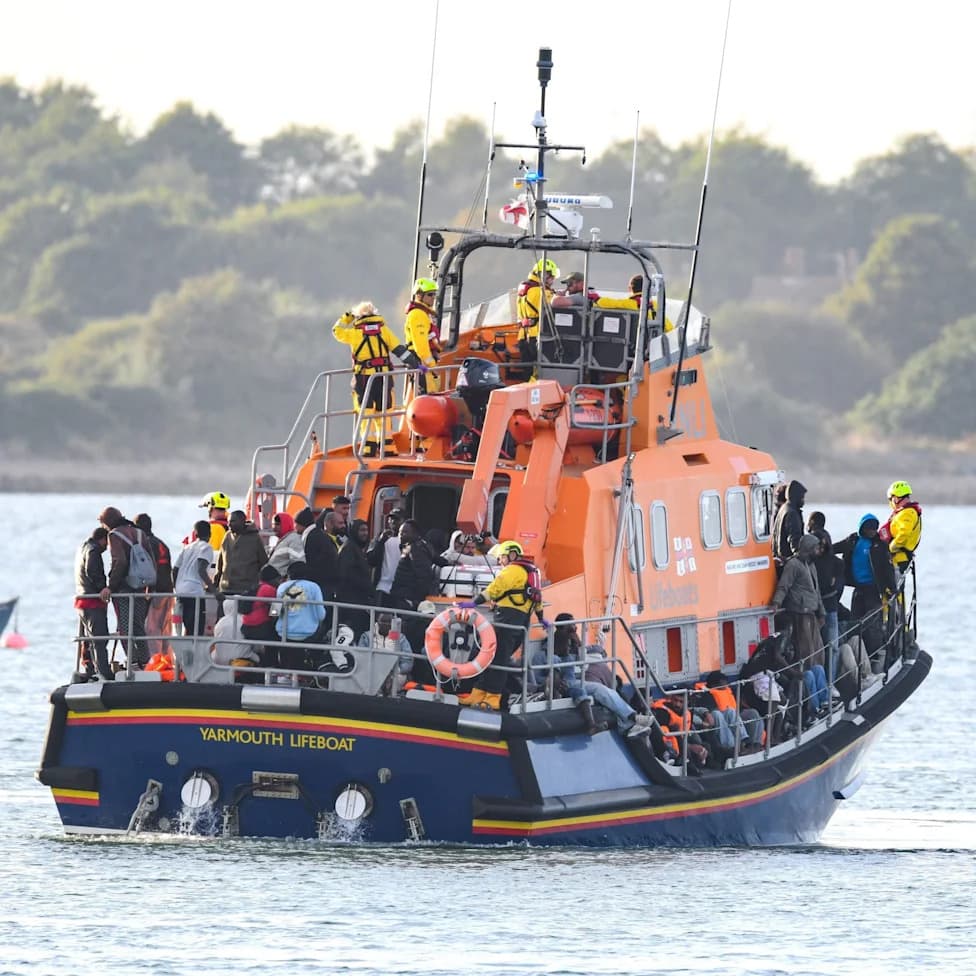
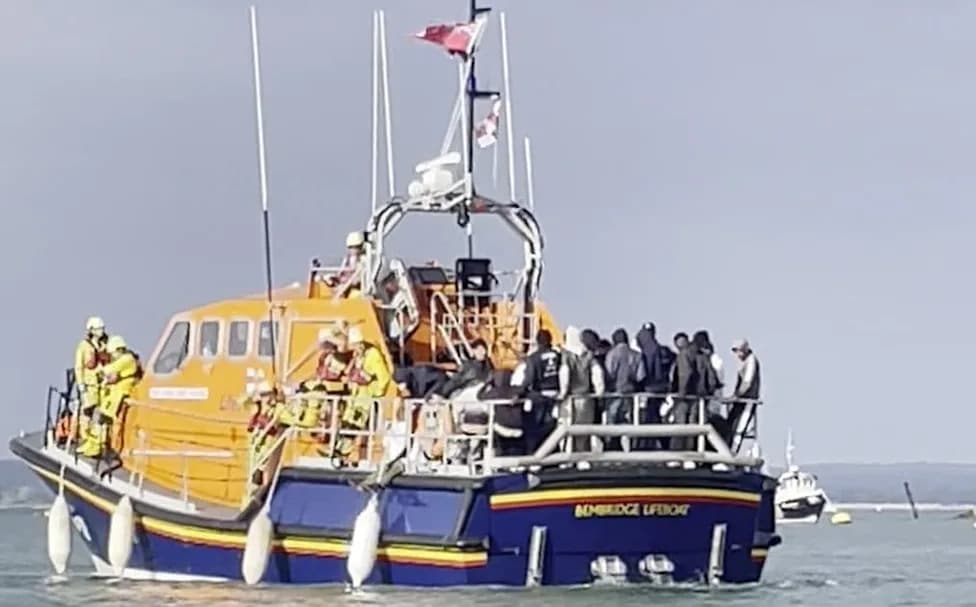
The intervention followed condemnation from the Royal National Lifeboat Institution (RNLI) after volunteers experienced online and in-person abuse linked to recent migrant crossings of the English Channel. The controversy intensified after about 120 people landed near Portsmouth with help from the RNLI. BBC Verify identified viral social-media posts about those involved in migrant rescue operations; some posts wrongly named RNLI crew members and urged followers to track down their families.
The RNLI said only 109 of its 9,058 lifeboat launches last year were for people 'in distress in the Channel' — about 1.2% of its operations — and its chief executive added that roughly 95% of small boats were intercepted by the UK Border Force.
Legal And Regulatory Landscape
Currently, the Crown Prosecution Service can prosecute harmful doxxing under existing offences such as malicious communications if the victim is threatened or harassed. Nandy also criticised what she described as 'incredibly slow' progress in enforcing the Online Safety Act and urged regulator Ofcom to move faster. She noted that two penalties have been issued under the regime so far, but no fines have yet been paid.
What Happens Next
Nandy warned the government 'will not hesitate to take action' to ensure swift consequences where addresses and other sensitive personal details are published online. Any legislative change would seek to make enforcement clearer and faster and to push platforms to remove doxxing content more consistently.
Help us improve.