Summary: Former pupils of Abu Barokat pesantren say their head teacher, Ahmad Imanuddin Sumar ("Abah"), sexually abused multiple students. The students compiled testimony and secret recordings in which Abah appears to admit abuse and pressures victims to recant. One victim filed a police complaint in February last year but says little action followed. Legal counsel and activist outreach helped the survivors reconnect and continue their campaign for justice; two central activists later married.
Former Pesantren Head Accused of Repeated Sexual Abuse — Students Gather Recordings, Face Pressure to Stay Silent

Zia and Yusron were both star pupils at a boarding school in Lombok [BBC]
Warning: This article contains descriptions of sexual assault.
The phone call that night made Yusron Azzahidi sick to his stomach. He had rung his sister after an urgent text, but the voice on the other end was not hers — it was Ahmad Imanuddin Sumar, the respected head teacher of Abu Barokat Islamic boarding school on Lombok, known to pupils as "Abah." On the recording Yusron made, Abah pleads with him to conceal allegations that several former students say detail years of sexual abuse.

Yusron, photographed here at boarding school, had always looked up to his head teacher [Yusron Azzahidi]
How the Investigation Began
The investigation began after a late-night conversation between Yusron and his former classmate Ziadatur Rahmah ("Zia"). Both had been star pupils; Zia, then 16, told Yusron that Abah had sexually assaulted her on school grounds. Disturbed and unsure how to respond, Yusron suggested they quietly collect corroborating testimony from other former pupils.
Gathering Evidence
Using WhatsApp to compare recollections, the students uncovered multiple accounts. One former pupil described seeing a younger girl crying in the school bathroom late at night and Abah searching for her. That girl, Sukma Rohana, later told the BBC that when she was 17 Abah had asked her to his home on the compound, covered her mouth, attempted to undress her and tried to rape her; she said she escaped after kicking him and fleeing.
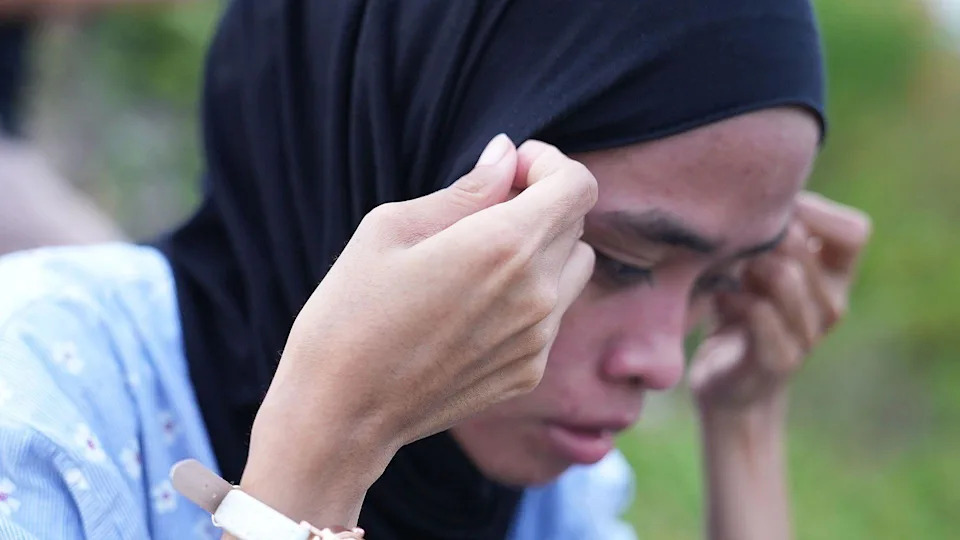
Sukma says Abah tried to rape her [BBC]
Yusron compiled a seven-page dossier listing allegations from Sukma, Zia and several other former pupils, and they met NWDI (Nahdlatul Wathan Diniyah Islamiyah) representatives — the organisation that runs Abu Barokat and many other pesantren and that had provided some students' sponsorships — who initially said they would help take the case to the police.
Pressure To Stay Silent
Weeks later, Yusron received that ominous text and the call from Abah at his parents' home — a clear sign the dossier had been shown to the head teacher. Secret recordings captured Abah both admitting to some of the abuse and repeatedly urging victims and witnesses to retract their allegations, offering cover stories and warning of ruin if the matter became public.
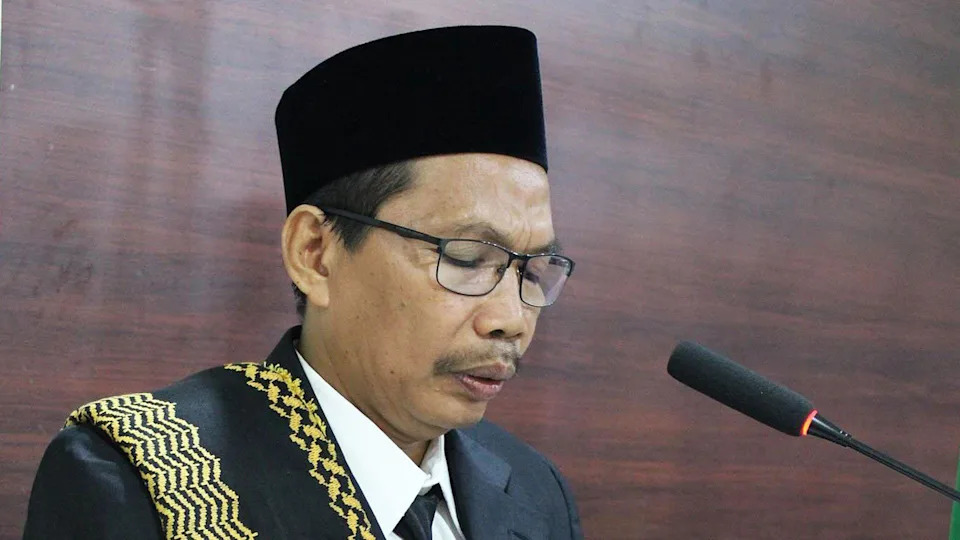
Ahmad Abah Sumar, known to his students as "Abah", asked Zia and Sukma to keep their experiences quiet [Abu Barokat Facebook]
Sukma says she was later summoned to Abah's house and found two police officers and an NWDI lawyer waiting; she says she was forced to sign a statement claiming her accusations were false. A covert recording of a conversation with Abah's wife, Hurmiati, appears to show pressure to keep an "agreement" that nothing happened and warnings that speaking out would harm marriage prospects.
Legal Action And Ongoing Challenges
Discouraged but determined, the students sought legal support after activists including Ayu Masruroh encouraged survivors to speak out. Their lawyer, Joko Jumadi, says the secret recordings are crucial evidence because they document in real time the pressure applied to silence victims and acknowledge multiple victims by name. Sukma filed a police complaint in February last year; at the time of reporting she said prosecutors had yet to take substantive action and Abah remained in post.

Zia and Yusron in Cairo - they say they built trust in each other through their ordeal [BBC]
Human Toll And A Personal Journey
The case took a heavy emotional toll. Faced with threats and family pressure, Yusron temporarily paused his inquiry. Over time, his relationship with Zia deepened into a long-distance romance built in part on shared trauma and the joint pursuit of justice. After years of messaging and legal struggle, Yusron moved to Cairo to be with Zia, and the couple married last month.
Wider Context
Indonesia's National Commission on Violence Against Women has described sexual abuse in pesantren as a national emergency. Joko Jumadi and his team have handled around 20 pesantren-related sexual abuse cases in West Nusa Tenggara in recent years and believe these prosecutions may be "just the tip of the iceberg." NWDI says it is conducting an internal inquiry and denies covering up claims.
For survivors, the case highlights the difficulty of confronting powerful institutions, the importance of legal counsel and documentation, and the courage required to speak out. The students' recordings and coordinated evidence may yet play a decisive role in securing accountability.
Note: The reporting is based on interviews with the students, their lawyer and documents reviewed by the BBC. Abah and his wife did not respond to requests for comment.
Help us improve.