The mock referendum in Piddington, which led villagers to dub their hamlet the 'Principality of Piddington' and cite ecological concerns to block migrant housing, has exposed deeper problems in Britain’s handling of migration. The episode highlights how articulate middle-class protest can be read as class privilege and how a lack of coherent integration policy fuels public resentment. The author argues that mismanagement, short-term fixes and the absence of a national integration plan have created a crisis of trust that needs a frank political solution, possibly including structured civic education.
Principality Of Piddington: Village Protest Exposes Britain’s Migration, Class And Integration Failings
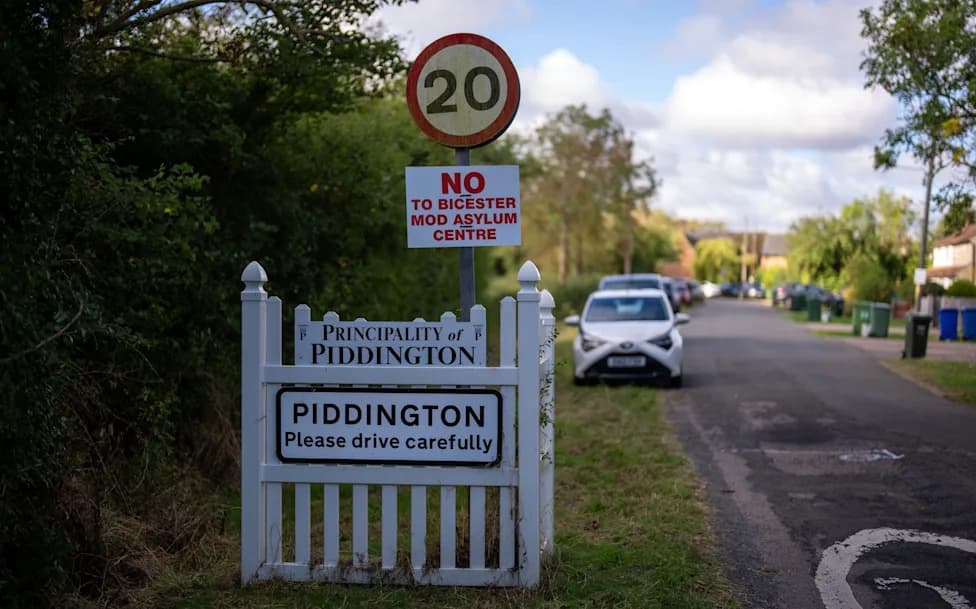
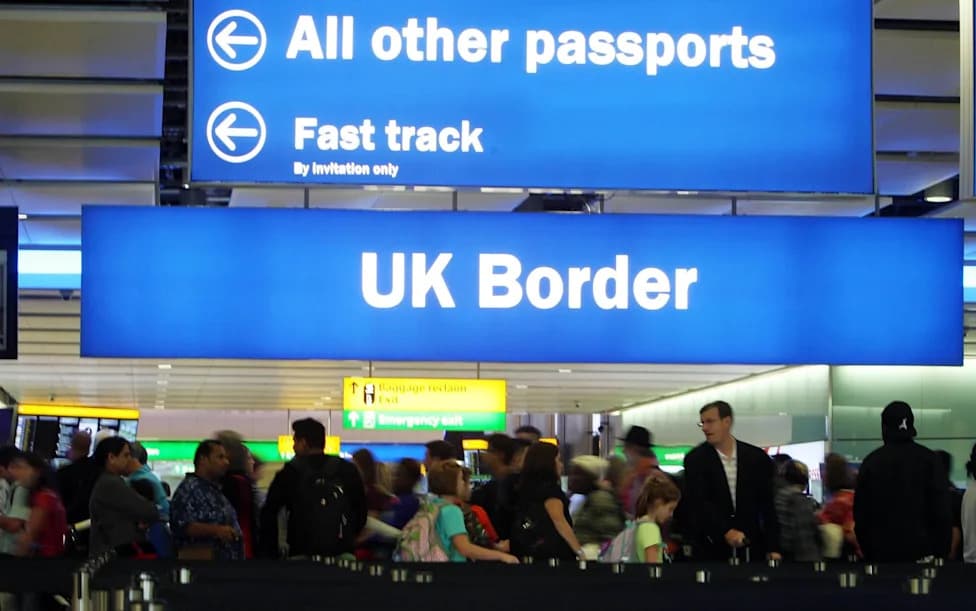
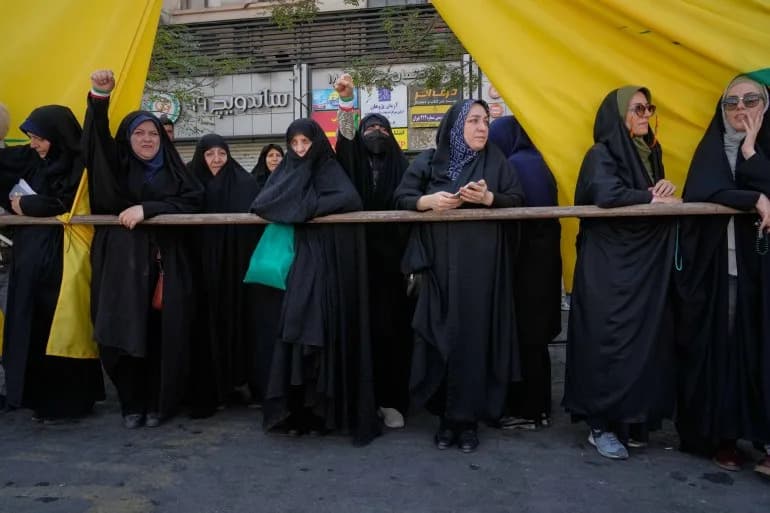
There was never any plan for the integration of people whose social attitudes might present serious problems in the host country - Carl Court/Getty
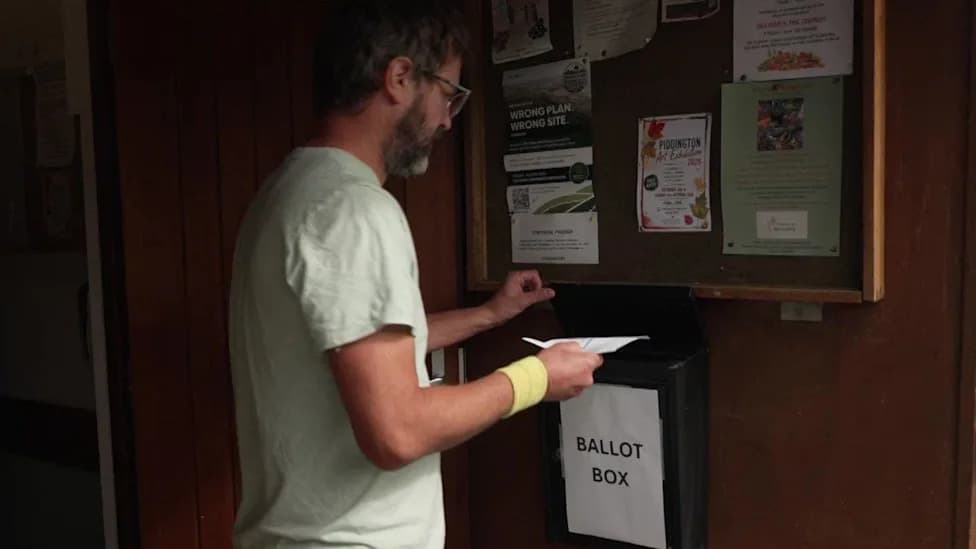
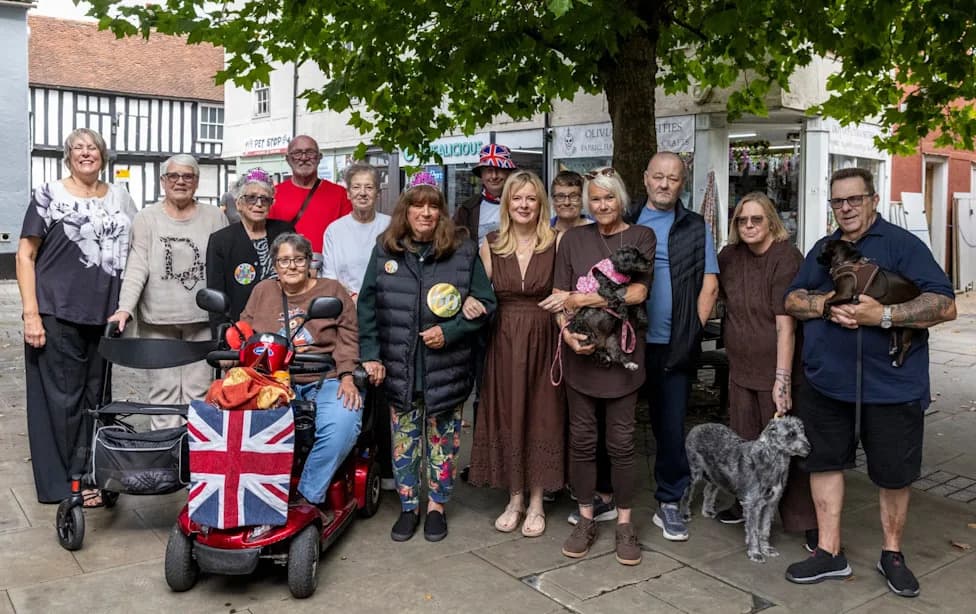
Last week a resident of Piddington appeared on television, tearful and astonished, saying she had not expected her liberal-voting village to harbour so much prejudice. The incident sounded ominous until the facts emerged: the villagers staged a mock referendum, declared their hamlet the self-styled 'Principality of Piddington' and erected a roadside sign. Their theatrical protest was supported, improbably, by ecological concerns about Great Crested Newts and a little-known species of bats.
What Happened
Rather than scenes of intimidation, the episode was largely theatrical — a local campaign that mixed wit, formal argument and the kind of polished civic language often associated with the middle class. That articulate presentation, however, has provoked as much anger as sympathy. Many who share the villagers' practical concerns about accommodating a rapid influx of people have nonetheless viewed the outcome as an instance of class advantage being deployed to get preferential treatment.
Why It Matters
The Piddington episode illuminated several intersecting problems: public frustration with how migration has been managed, the risk that well-argued local protests can be read as class privilege, and the absence of a clear national plan for integration. Some suspected that environmental objections were mobilised instrumentally to resist migrant housing, turning a potentially persuasive local case about capacity and safety into a focal point for class resentment.
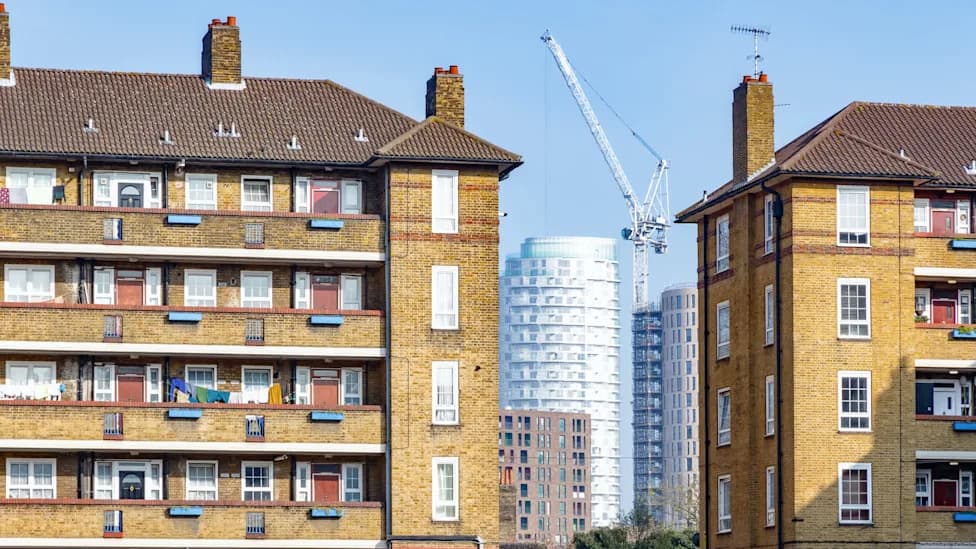
Political leaders such as Andy Burnham have emphasised fairness, arguing that no single region should shoulder the burden. Practical considerations also matter: many rural villages lack the infrastructure and services to absorb a sudden, concentrated arrival of new residents, especially groups whose demographic profile and needs differ markedly from the existing population.
Policy Failure And The Integration Gap
Successive governments have been criticised for mismanaging arrivals and relying on short-term fixes. One contentious tactic has been granting leave to remain in some cases as a way to clear asylum backlogs rather than addressing underlying capacity and procedural problems. This fuels public distrust and amplifies anger across social groups.
Most fundamentally, there appears to have been no coherent plan to integrate newcomers whose social attitudes or behaviours might challenge community cohesion. Some activists now argue that any attempt to address problematic conduct is inherently racist, a stance that risks blocking practical measures and worsening race relations if left uncontested.
What Could Be Done
One model for civic integration comes from the United States, where schools historically sought to inculcate a shared civic identity among children of immigrants through rituals, curriculum and civic education. To many in Britain such an approach sounds heavy-handed. Yet the debate is pressing: if Britain expects to absorb large numbers of people who do not share its moral assumptions and historical narratives, should it consider organised civic education, and who would set the curriculum and standards?
Whatever the answer, the Piddington incident should prompt sober national discussion about capacity, fairness and a credible integration strategy that protects community cohesion without turning reasonable local concerns into sources of bitter class conflict.
Help us improve.