One year after around 157 UN member states recognised a Palestinian state, many Palestinians say diplomatic recognition has not translated into improved conditions on the ground. Settler violence has surged, movement restrictions and new security measures have tightened, and the Palestinian Authority remains under financial strain after Israel withheld customs revenues. Analysts caution that recognition without enforcement, funding and institutional support is unlikely to produce a viable, on-the-ground state.
One Year On: Recognition of Palestine Fails to Deliver Tangible Statehood
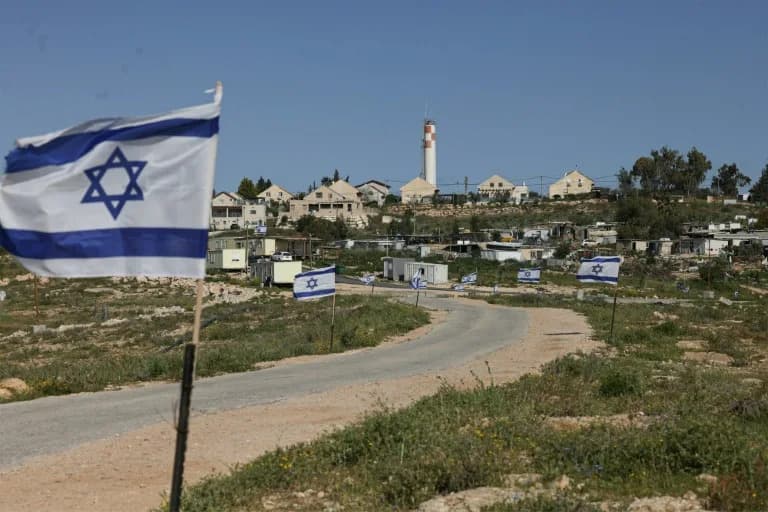
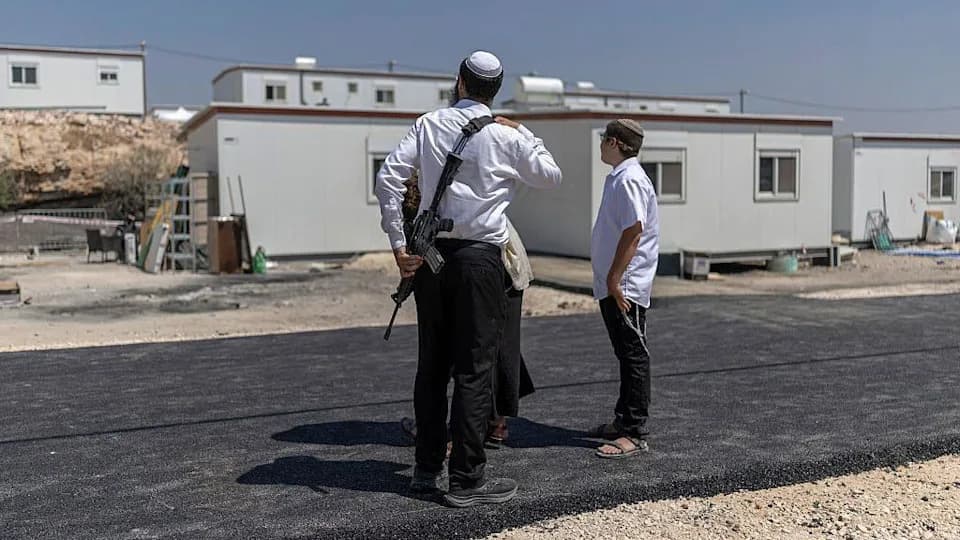
Israeli flags line the road leading to the Palestinian village of Umm al-Khair wedged between the new Jewish outpost of Karmel (foreground Left) and the Israeli settlement of Karmel (hilltop), south of the town of Yatta in the southern area of the Israeli-occupied Palestinian West Bank on April 14, 2026. (HAZEM BADER)
One year after a group of Western governments recognised a Palestinian state, many Palestinians say the promise of tangible statehood has receded. Diplomatic recognition by roughly 157 UN member states has not halted a rise in settler violence, restrictions on Palestinian movement, or the financial squeeze on the Palestinian Authority (PA).
Background
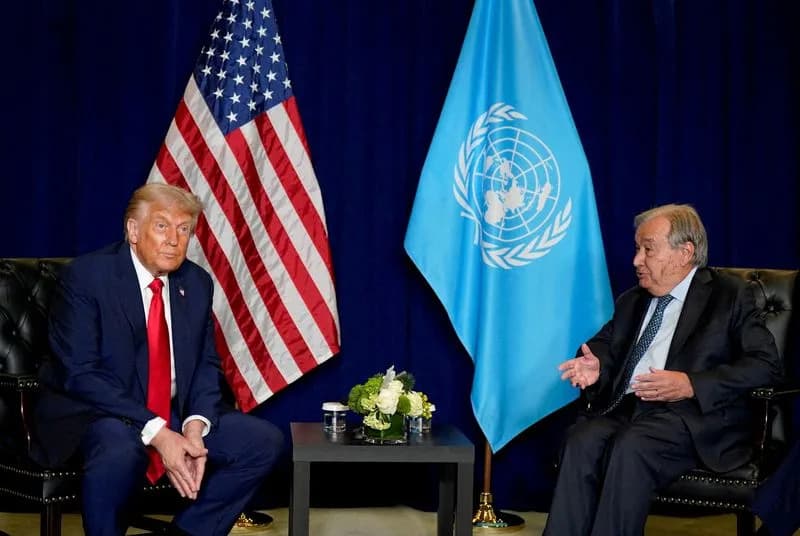
On September 22, 2025, French President Emmanuel Macron convened a special UN summit and led a diplomatic push that prompted about ten additional countries — including Britain, Canada and Australia — to recognise a Palestinian state. The move brought the total number of UN member states recognising Palestine to roughly 157.
On the Ground
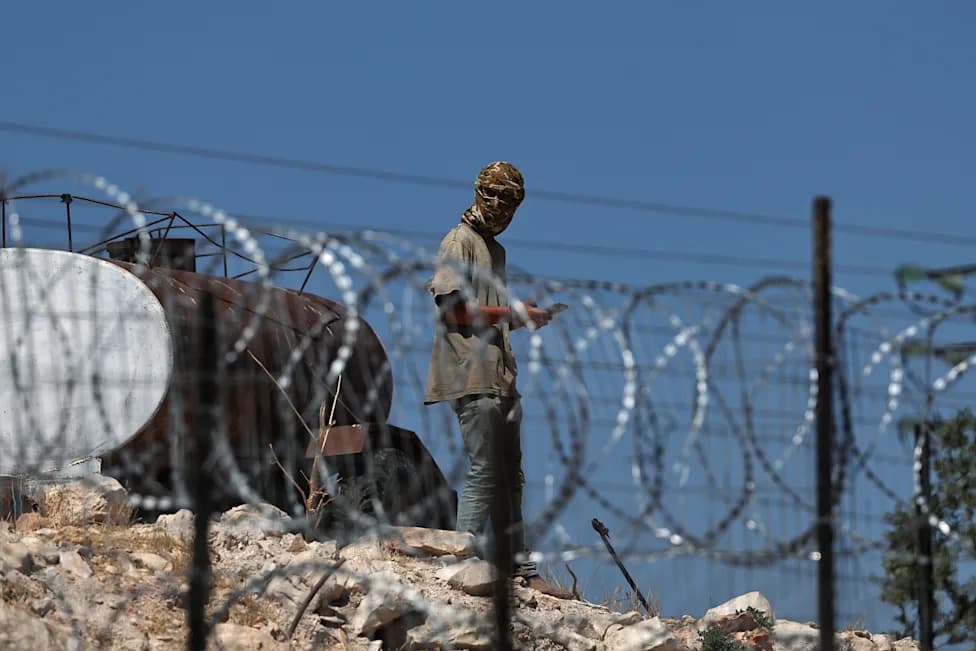
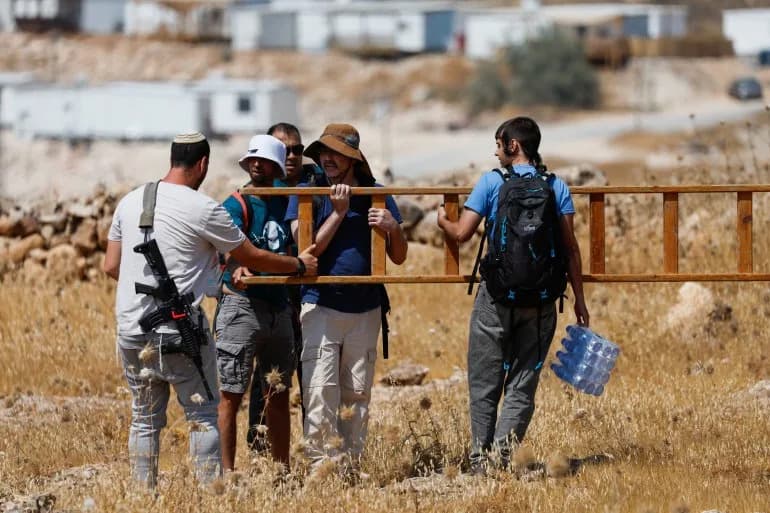
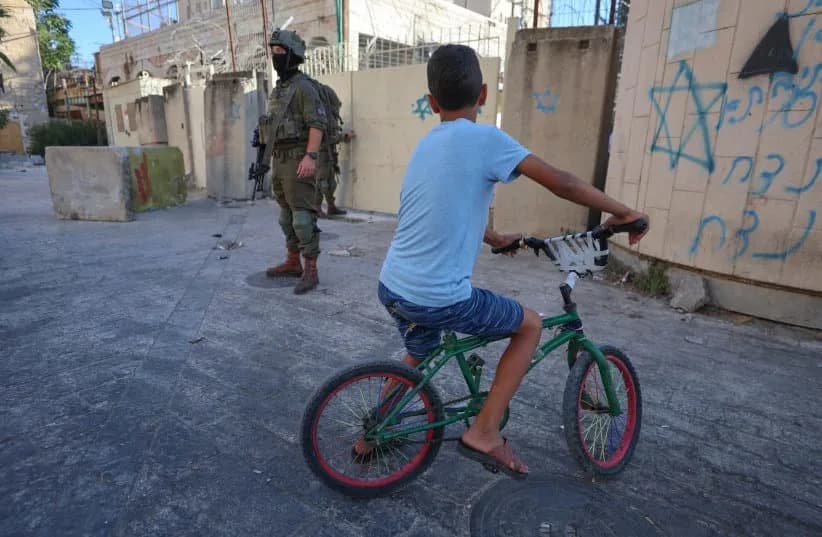
Residents and officials across the occupied West Bank say the situation on the ground has worsened rather than improved. Observers point to a surge in Israeli settler violence, the progressive shrinking of territory accessible to Palestinians, and a weakened PA struggling to deliver services.
The UN reported extremist settlers were responsible for an average of six attacks per day on Palestinians and Palestinian property in the West Bank in 2026. In early 2025, Israel erected nearly 1,000 gates at village and town entrances across the West Bank, which are closed intermittently to control Palestinian movement.
Politics and Finance
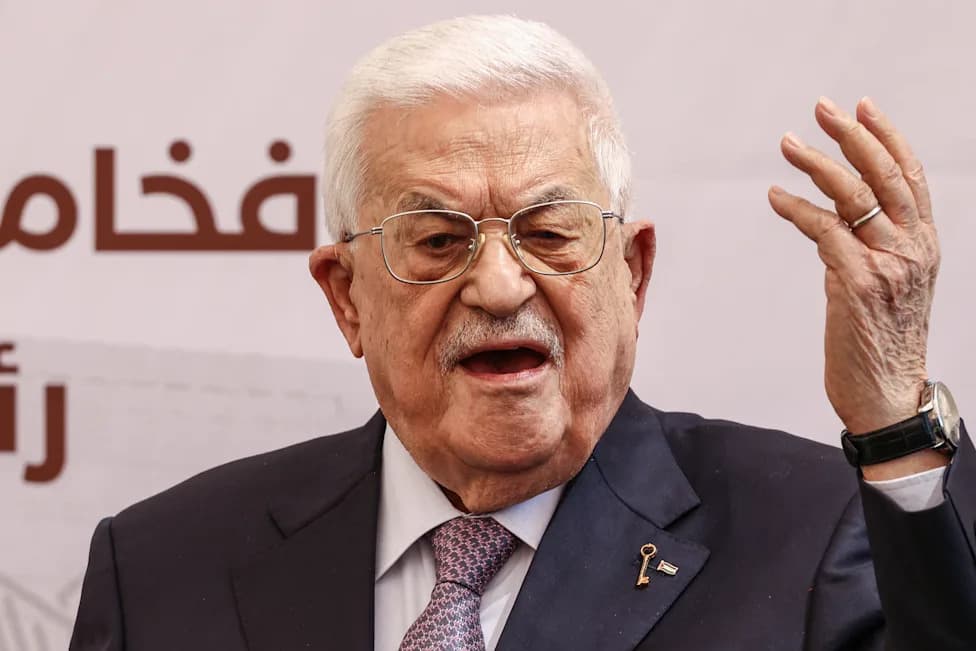
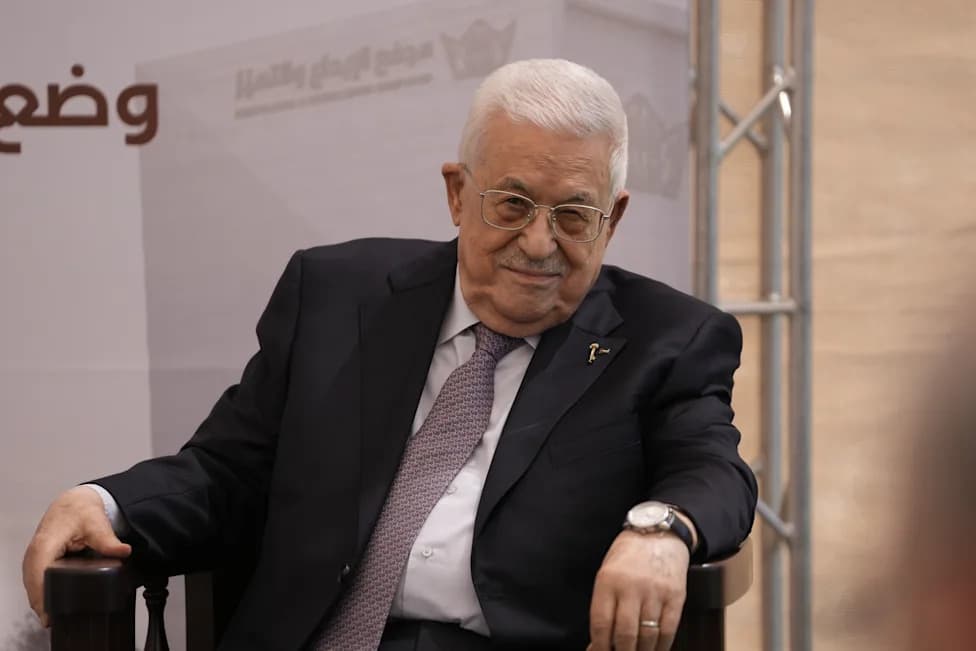
Israel, backed diplomatically by the United States, has rejected the recognition and stepped up measures seen as isolating the PA led by President Mahmoud Abbas. A key pressure point has been the withholding of customs revenues Israel collects on the PA's behalf, leaving the authority short of cash and struggling to pay civil servants.
Critics also point to a fast pace of settlement approvals under Prime Minister Benjamin Netanyahu's right-wing government. While formal annexation of the West Bank was not enacted, many observers describe the pattern as an unofficial annexation that undermines the viability of a two-state outcome.
Voices From the West Bank
"I was happy when I heard about it," said Adam Bader, 27, an entrepreneur in Tulkarem, a West Bank city that has seen repeated Israeli raids. "Now a year on, we're not seeing any improvement. On the contrary. The situation is getting worse by the day and no one can do anything."
"Recognition makes the two-state solution a reality politically and diplomatically, but unfortunately on the ground it still depends on the illegal behaviour of Israel, which is not implementing international resolutions," said Omar Awadallah, deputy foreign affairs minister of the Palestinian Authority.
Some Palestinians, like Sameh, a software engineer in Nablus, still view recognition as an important diplomatic milestone but acknowledge the distance between international statements and conditions on the ground.
Recent Diplomatic Tensions
Shortly before the anniversary, Israel ordered the closure of the UK consulate that served Palestinians from Jerusalem after Britain, France and Canada announced sanctions tied to rising settler attacks. Israeli officials said the move reflected opposition to external attempts to push recognition into practical outcomes.
Why Recognition Hasn’t Translated Into Statehood
Analysts say recognition alone—without enforcement mechanisms, financial support for state institutions, or meaningful change in Israeli policy—has limited effect on daily realities. Measures that would strengthen Palestinian institutions, protect civilians and ensure accountability for violence have not accompanied diplomatic recognition, leaving many Palestinians skeptical that recognition will change their lives soon.
Key facts: around 157 UN members have recognised Palestine; the UN recorded an average of six settler attacks per day in 2026; nearly 1,000 gates were built in early 2025 across the West Bank; and the PA remains financially strained after customs revenues were withheld.
Help us improve.