Recent viral moments—J.D. Vance's 'end times' comment and an ex‑Anthropic employee's AI extinction warning—alongside a UN climate report, highlight a dangerous convergence of threats. The authors call this coalition 'end times fascism': an alliance of religious extremists, tech oligarchs, and ethno‑nationalists that treats catastrophe as acceptable or inevitable. They argue that concentrated economic, military, and technological power fuels fatalism, but contend that doomsday is not inevitable and that political organizing can defend humanity and the living world.
Doomsday Isn't Inevitable: How 'End Times Fascism' Fuels Fear — And How We Fight Back

Doomsday Isn't Inevitable, Actually
In the two weeks before our book End Times Fascism: And the Fight for the Living World was published on September 15, stories about apocalypse and collapse dominated the headlines.
While we were finishing edits on an essay for the Financial Times, a clip of J.D. Vance suggesting his actions might bring the 'end times' went viral. Not long after, a former Anthropic employee drew global attention by saying he left the company over growing fears that AI could cause mass human extinction. A New York magazine cover asked, "Why Everyone's Talking About the AI Apocalypse," and a major United Nations report warned that we are close to triggering dangerous climate tipping points.
Converging Crises and a New Politics
These are not isolated headlines. In our book we argue that an unprecedented convergence of threats—rising wealth concentration, accelerating climate breakdown, and rapid technological change—is producing widespread anxiety and helping to fuel a new form of far‑right politics. We call this phenomenon end times fascism: a risky alliance of religious fundamentalists, tech oligarchs, and ethno‑nationalists who have abandoned the idea of a shared, sustainable future and who have gained power in the United States and elsewhere.
Power, Policy, and Accelerationism
Rather than addressing the crises that confront us, many powerful actors are doubling down. We see rollbacks at the Environmental Protection Agency and efforts to weaken the Endangered Species Act, while some allies partner with religious hardliners in ways that raise the risk of a larger regional conflict with Iran.
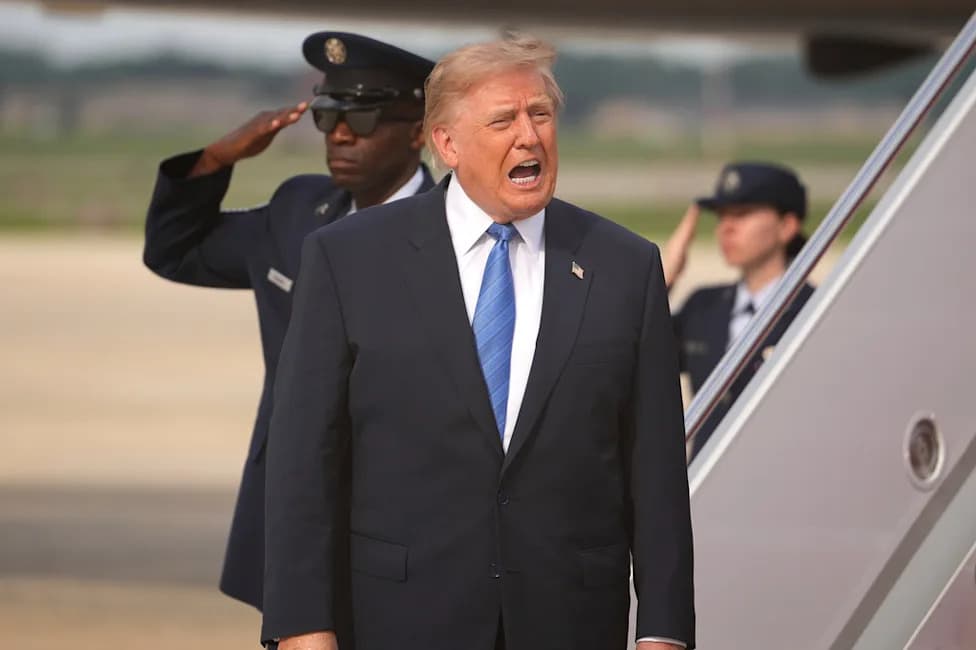
Silicon Valley follows a similar accelerationist logic: an urgent drive to win the AI "race" even if that race leads toward ruin. OpenAI's Sam Altman has insisted he is "unapologetically on Team Humanity," but industry behavior tells a more complicated story: companies and associates are spending millions lobbying against meaningful tech regulation and backing candidates who favor rapid deployment. Elon Musk has already spent roughly $90 million this cycle supporting GOP candidates aligned with his accelerationist instincts. Donald Trump has emerged as a preferred ally, dismissing safeguards and touting personality-driven leadership as the solution.
"We are living through the nightmare edition of 'Great Men Make History,'" observed urban theorist Mike Davis shortly before his death in 2022. He warned that unlike in the high Cold War, there are now few institutional 'safety switches' between today's powerful leaders and potential Armageddon.
Why the Apocalypse Narrative Spreads
The concentration of military, monetary, and technological power makes a slide toward catastrophic outcomes feel inevitable to many people. That fatalism is reinforced by endless post‑apocalyptic entertainment—television, film, and video games that imagine irradiated, ruined worlds. When dystopia becomes the default cultural script, it is easier to accept catastrophic futures as inexorable.
Pay Attention—But Fight Back
We should take seriously the rhetoric of figures like Vance and Altman—not because we accept their theology or their worst-case technological visions (we do not believe AI will inevitably become a superintelligence that destroys humanity), but because such rhetoric reveals a willingness to gamble with collective futures to accumulate more wealth and power.
There is reason for hope. The alliances forming among political leaders, tech billionaires, and religious extremists create political vulnerabilities. As the series Andor puts it, we "have friends everywhere"—including in unexpected places. Those vulnerabilities create openings for a broad movement dedicated to defending not only a narrow idea of "Team Humanity" but the living world itself.
Astra Taylor is co‑author of End Times Fascism: And the Fight for the Living World, published by Macmillan. This piece originally appeared on Katie Couric Media.
Help us improve.