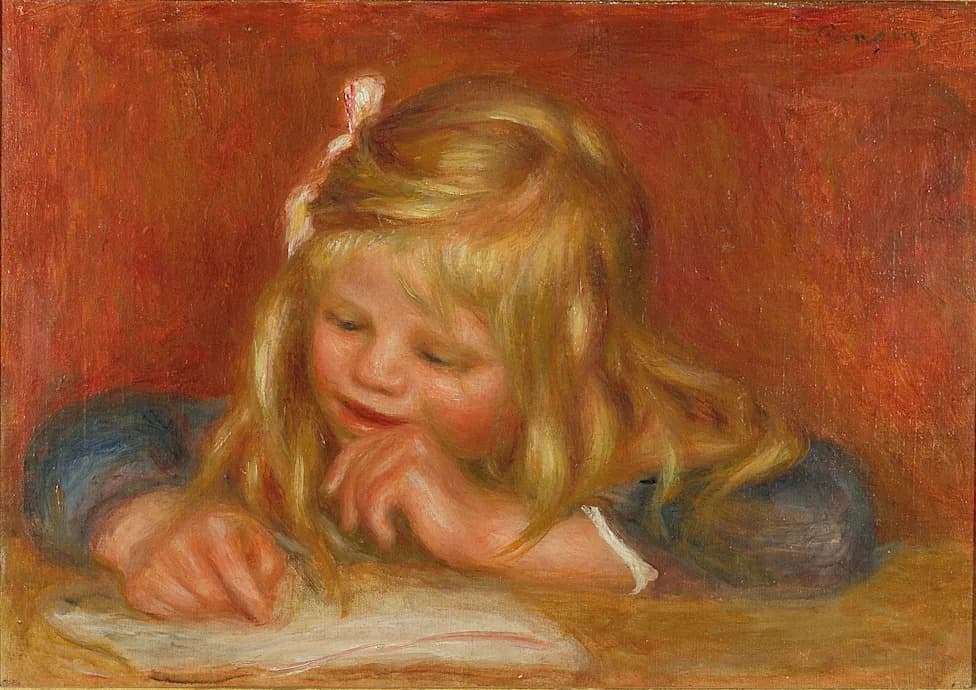
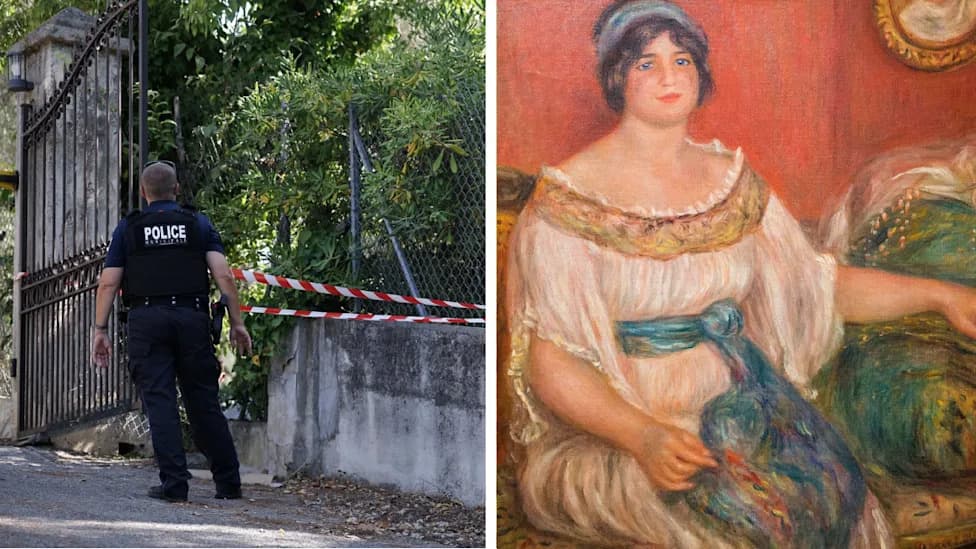
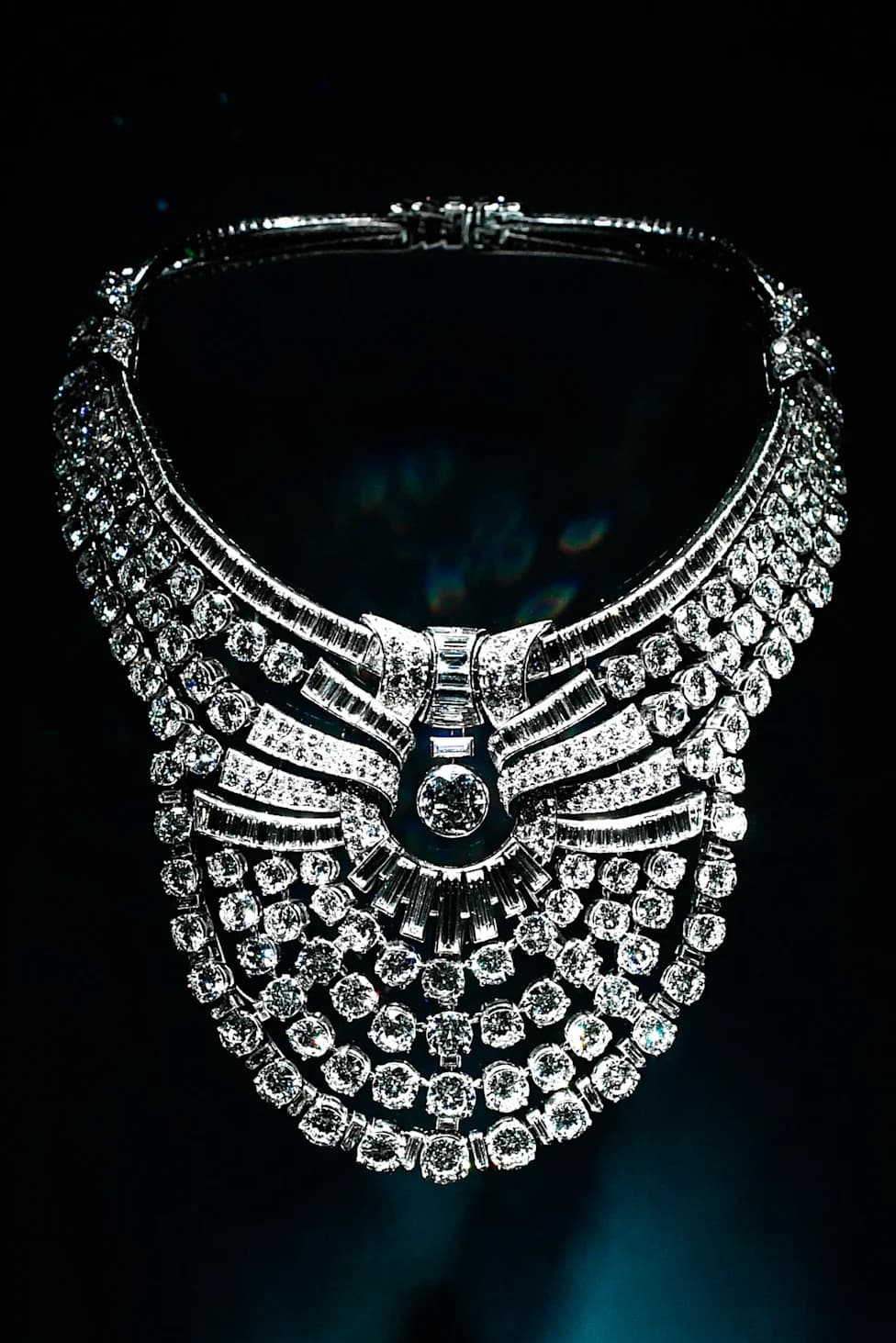
France has seen a new series of museum robberies: two Renoir paintings were stolen from a French Riviera museum last week, following two July heists that included a 2,500‑year‑old necklace and more than $5 million in jewelry. A major jewel theft at the Louvre last year involved losses exceeding $100 million. The incidents highlight the ongoing challenge of protecting valuable collections while keeping museums open and welcoming to the public.
Museum Heists Escalate in France: Renoirs Stolen and Millions in Jewels Taken
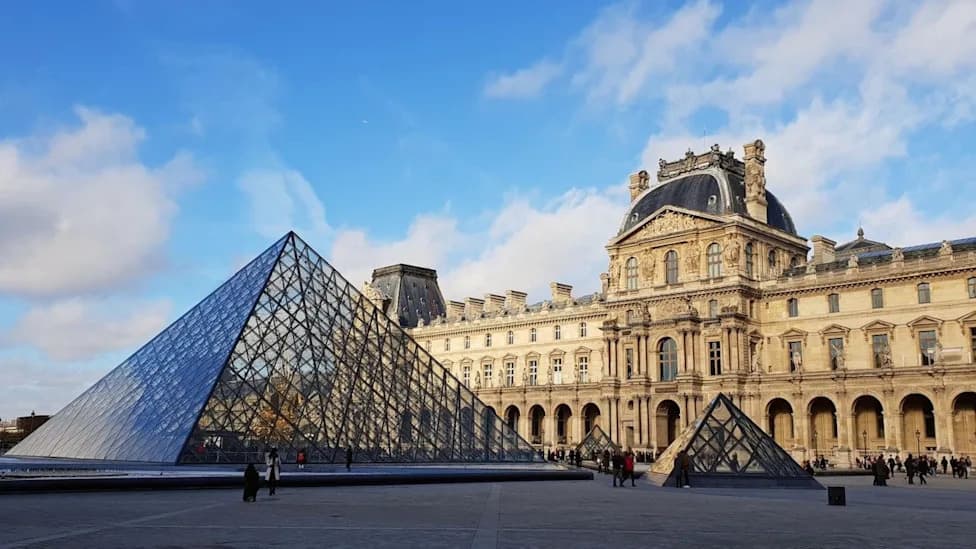
Image by matt_86 on Pixabay.
France’s museums — prized repositories of art and history — have been hit by a fresh wave of high‑value thefts. Last week, two paintings by Pierre‑Auguste Renoir were stolen from a museum on the French Riviera. These losses follow two separate robberies in July and a spectacular jewel heist at the Louvre reported last year.
Recent Thefts and Their Scale
One of July’s incidents involved the theft of a 2,500‑year‑old necklace. The other July robbery removed dozens of jewelry items with a combined value exceeding $5 million (about €4.5 million$100 million (nearly €90 million
Why Museums Are Vulnerable
Museums occupy a unique position: they safeguard many irreplaceable, high‑value objects while remaining open to the public. That openness is essential to their mission but also creates security challenges. Unlike some retailers that restrict customer access to valuable goods, museums must balance accessibility with protection — and when safeguards fall short the cost is cultural as well as financial.
Historic Buildings and Outdated Systems
Part of the problem is structural. Many museum buildings were repurposed from older structures and were not originally designed as secure exhibition spaces. The Louvre, for example, began life as a 12th‑century fortress, became a royal residence, was reshaped into a Renaissance palace under King Francis I in the 1500s, and finally opened as a public museum after the French Revolution in 1793. Because facilities and security systems can date back decades or even centuries, they may no longer meet modern protection needs.
Note: Anecdotes occasionally surface about items linked to famous figures — for instance, a widely circulated story about a plate found in a thrift shop in Idaho that some claimed was once owned by Napoleon — but such claims are usually unverified and remain curiosities rather than confirmed provenance.
Finding the Balance
Authorities, museum directors and security experts face a recurring dilemma: how to upgrade protection without turning museums into fortress‑like spaces that diminish visitor engagement. Potential approaches include improved surveillance and alarm systems, discreet but stronger display cases, staff training and better coordination with law enforcement — all implemented in ways that preserve access and the educational role of museums.
As investigations continue into the recent heists, the incidents have renewed public debate about safeguarding cultural heritage. The thefts are a reminder that protecting art and artifacts requires both modern security solutions and thoughtful policies that respect museums’ role as public institutions.
Help us improve.