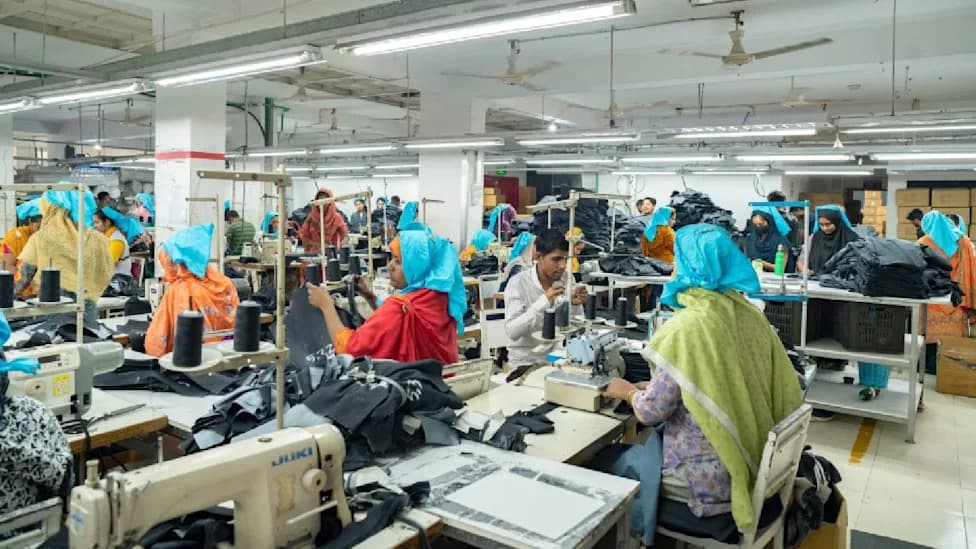
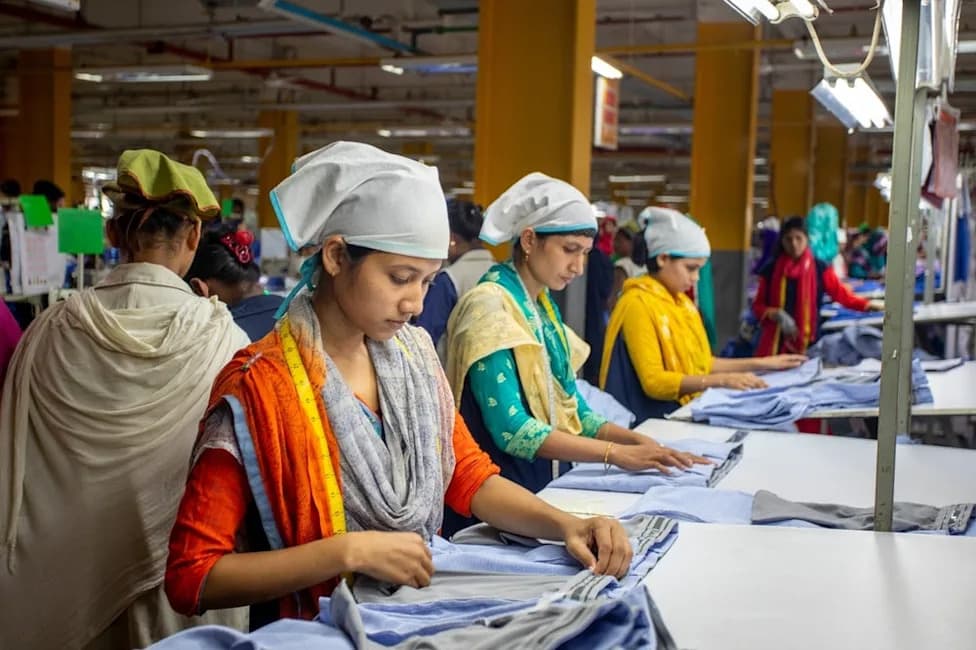
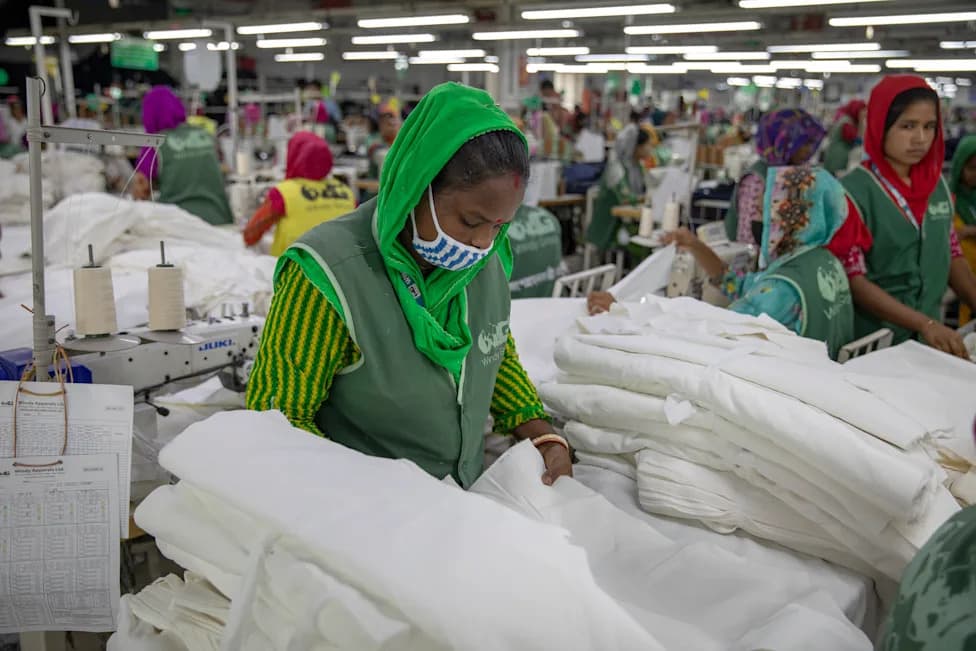
WaterAid Bangladesh and the Bangladesh Knitwear Manufacturers and Exporters Association (BKMEA) have signed an MoU to develop a sustainable water management plan for the knitwear sector. The partnership targets reduced groundwater use, adoption of water-efficient technologies, wastewater recycling and rainwater harvesting, and improved WASH services for workers and communities. The initial phase runs until 15 December 2026 and includes training, factory assessments and engagement with government, buyers and financiers. The collaboration will also explore Bangladesh Bank green financing to help factories invest in sustainable solutions.
BKMEA and WaterAid Bangladesh Sign MoU to Transform Water Management in Knitwear Sector
BKMEA Partners With WaterAid Bangladesh on Sustainable Water Management
Bangladesh was ranked sixth globally for estimated groundwater extraction in 2022, with the garment industry identified as a major contributor to falling aquifer levels. At the same time, roughly 2.1 million people in the country still lack access to clean water close to home.
Partnership Overview
On Monday, WaterAid Bangladesh — the U.K.-based international NGO — and the Bangladesh Knitwear Manufacturers and Exporters Association (BKMEA) formalised a partnership by signing a Memorandum of Understanding (MoU) at the BKMEA office in Dhaka. The MoU was signed by Azman Ahmed Chowdhury, Country Director of WaterAid Bangladesh, and Mohammad Rashed, Vice President of BKMEA.
Goals and Planned Actions
The collaboration aims to develop a sector-wide sustainable water management plan for the knitwear industry. Key measures include:
- Reducing avoidable water consumption across production processes.
- Identifying and promoting alternatives to groundwater sources.
- Adopting water-efficient technologies and processes.
- Treating, recycling and reusing wastewater within factory operations.
- Harvesting rainwater to supplement water supply.
- Identifying financing opportunities to help factories, especially small and medium-sized ones, invest in sustainable solutions.
Worker And Community Focus
The partners will also strengthen water, sanitation and hygiene (WASH) services for factory workers and nearby communities — reflecting WaterAid's mission to improve lives through clean water, decent toilets and better hygiene. The MoU calls for integrating water-related data into BKMEA's environmental, social and governance (ESG) systems to support evidence-based decision-making.
Mohammad Rashed, BKMEA Vice President, said responsible water stewardship must be embedded at ownership and senior-management levels, and he proposed creating a dedicated water unit within BKMEA to monitor progress.
Azman Ahmed Chowdhury, Country Director of WaterAid Bangladesh, highlighted the importance of exploring access to Bangladesh Bank’s green finance facilities to fund investments in water-efficient technologies and sustainable production.
The central bank provides incentives for green initiatives, including a 5% refinancing rate and access to the low-cost Green Transformation Fund. Mostafizur Rahman, Senior Programme Officer at the Embassy of Sweden in Bangladesh, who attended the signing, noted that international buyers increasingly evaluate manufacturing methods and environmental impact when sourcing goods.
Timeline And Next Steps
The MoU launches an initial phase that runs until 15 December 2026. Planned activities during this period include technical training and practical seminars for factory owners and senior officials, preliminary assessments at selected factories, and engagement with government agencies, international buyers, brands and financial institutions to support implementation.
Outcome: The partnership aims to promote sustainable water management across Bangladesh’s knitwear sector, improve living and working conditions for employees and nearby communities, and strengthen the sector’s competitiveness as global markets increasingly demand sustainable production.
Help us improve.