The Ministry of Defence has told the BBC that the Independent Inquiry relating to Afghanistan has cost £58m to March 2026, far higher than the inquiry’s own reported spend of £14.68m to the end of 2024–25. Launched in 2023 to investigate allegations that SAS personnel unlawfully killed detainees and civilians between 2010 and 2013, the probe has run for more than 3½ years without publishing findings. The inquiry cites increased complexity and delays in MoD disclosure; veteran groups warn the prolonged process is harming morale and potentially operational effectiveness.
MoD: Afghanistan Inquiry Into Alleged SAS War Crimes Has Cost £58m
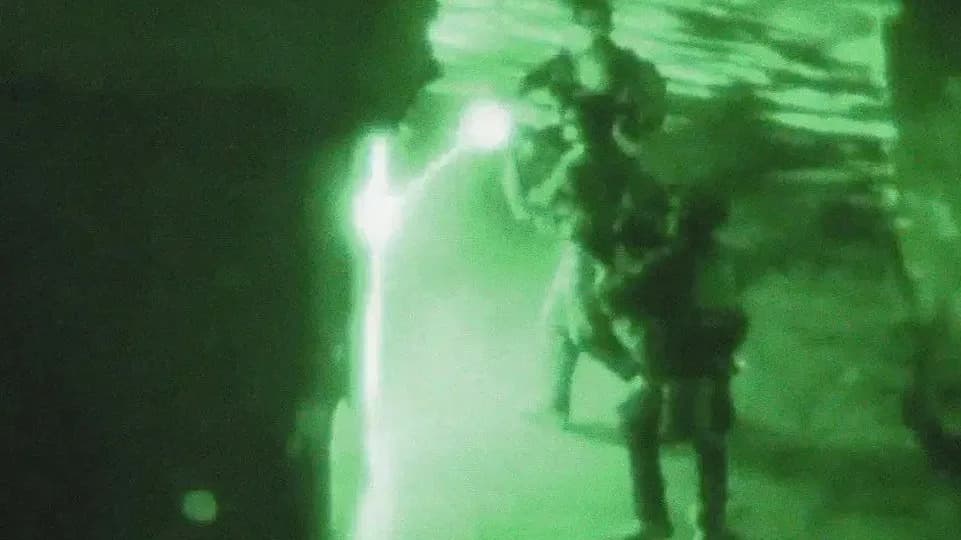
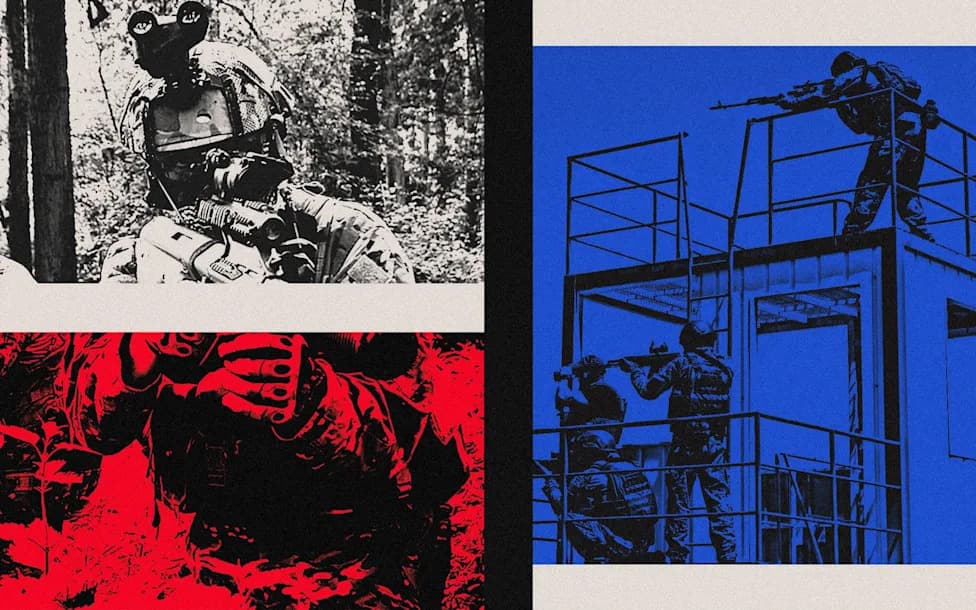
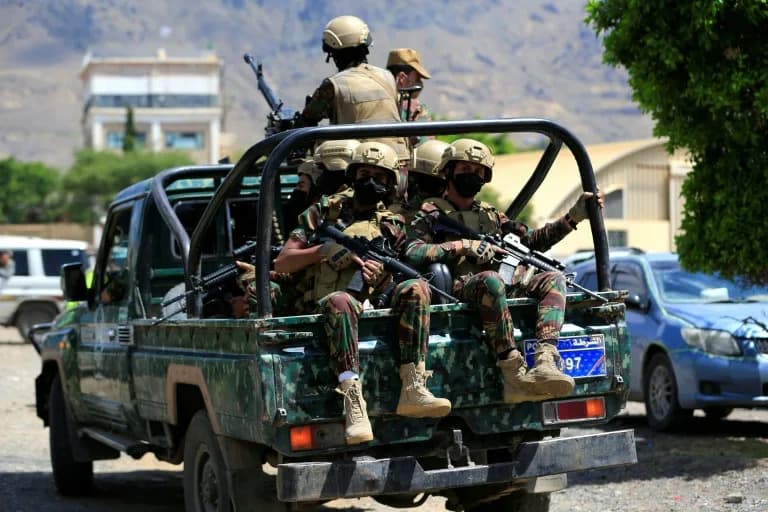
The SAS carried out night raids with Afghan special forces to target the Taliban [BBC]
An independent probe into allegations that British Special Forces unlawfully killed unarmed Afghan civilians has cost UK taxpayers £58m, the Ministry of Defence (MoD) has disclosed.
The Independent Inquiry relating to Afghanistan (IIRTA), set up in 2023, was tasked with examining claims that soldiers serving with the Special Air Service (SAS) committed unlawful killings during night raids between 2010 and 2013. The investigation was expected to produce at least an interim report within 12–18 months but has now been under way for more than three and a half years without publishing findings.
Costs And Timetable
The inquiry reported internal expenditure of £14.68m up to the end of the 2024–25 financial year. That figure covered the chair's salary (Lord Justice Haddon-Cave / Sir Charles Haddon-Cave), the secretariat, legal teams and expert witnesses. The inquiry has said its spending was proportionate and subject to judicial oversight.
However, a Freedom of Information request to the MoD revealed a larger figure: the department says the overall cost of the investigation — including the inquiry’s direct costs and MoD staff time and resources devoted to the probe — reached £58m to March 2026. The MoD added that 74 of its staff were spending more than half of their working time on the inquiry.
Scope, Secrecy And Evidence
The IIRTA was established after allegations first reported by BBC Panorama in 2022. The inquiry is examining serious claims that detainees and unarmed civilians, including children, were killed during SAS operations targeting the Taliban.
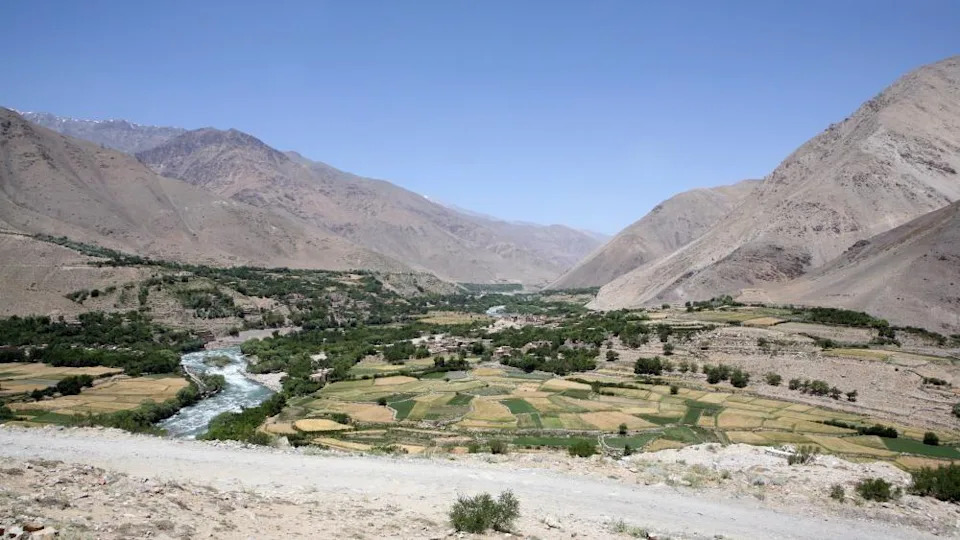
The inquiry is investigating alleged war crimes by SAS soldiers in Afghanistan between 2010 and 2013 [BBC]
Much of the inquiry’s work has taken place in private to protect the identities of serving personnel. Nonetheless, the inquiry has published some material on its website and has heard testimony from senior UK military figures who said they believed that extrajudicial killings occurred. Witnesses have also raised concerns that earlier investigations into the allegations were closed prematurely.
“The work has proven greater and more complex than originally envisaged,” the inquiry said, and it added that delays by the MoD in disclosing information had affected the timetable.
Responses And Wider Context
The SAS Regimental Association (SASRA), which represents more than 5,000 veterans and serving personnel, said it remains committed to supporting the inquiry and securing a timely resolution. At the same time, SASRA warned that the prolonged process was causing “significant and widening harm” to individuals, families and the regiment’s reputation and morale, and that it could affect operational effectiveness.
Public inquiries can be lengthy and expensive: for context, the Bloody Sunday Inquiry, which examined the killing of 13 civil rights protesters in Northern Ireland, took 12 years and cost more than £190m.
The IIRTA said it remains committed to protecting the welfare and safety of UK Special Forces personnel and to concluding the inquiry as soon as practicable. Related developments include a decision by the inquiry chair to refuse a BBC application to name senior officers and a finding that an MoD data breach relating to Afghanistan was a foreseeable failure.
What’s next: The inquiry continues in both closed and public sessions while the MoD and the inquiry team work through disclosure and evidence. No timeline has been set for publication of an interim or final report.
Help us improve.