Kent Hups, a high school teacher and research associate, found four three‑toed footprints in North Dakota’s Hell Creek Formation that researchers attribute to Tyrannosaurus rex. Each print is about 3 feet long and lies along a 23‑foot trackway dated to roughly 66.5 million years ago. Track spacing suggests the animal walked at about 3.5–4.5 mph. Scientists used high‑resolution 3D scanning to reproduce and study the impressions, offering a rare behavioral snapshot of T. rex locomotion.
High School Teacher Uncovers First Known T. rex Trackway — A Rare Glimpse of Dinosaur Movement
High school science teacher discovers rare T. Rex tracks: 'A real pivotal moment'
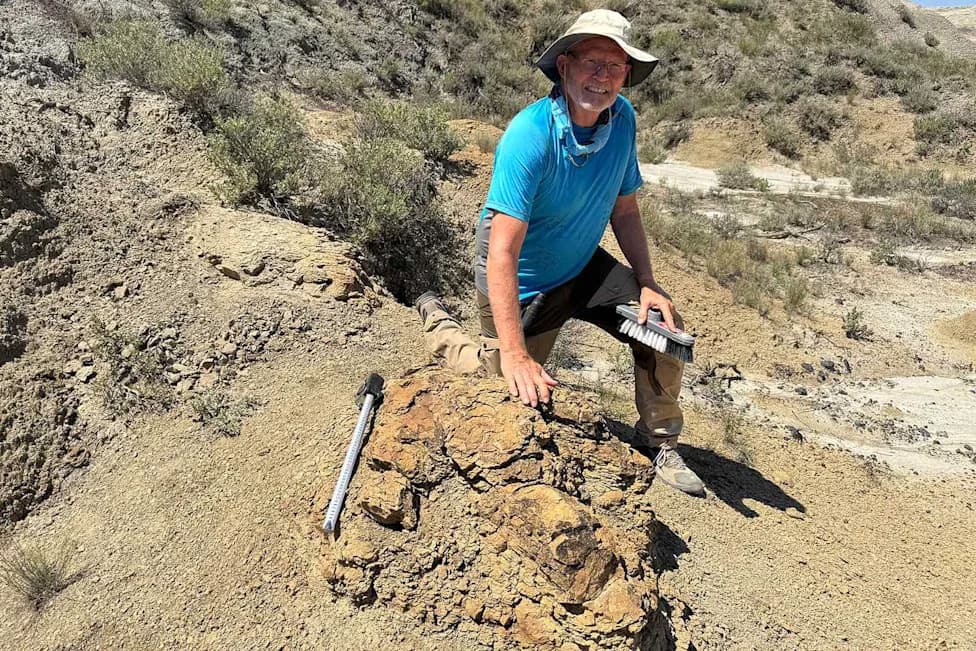
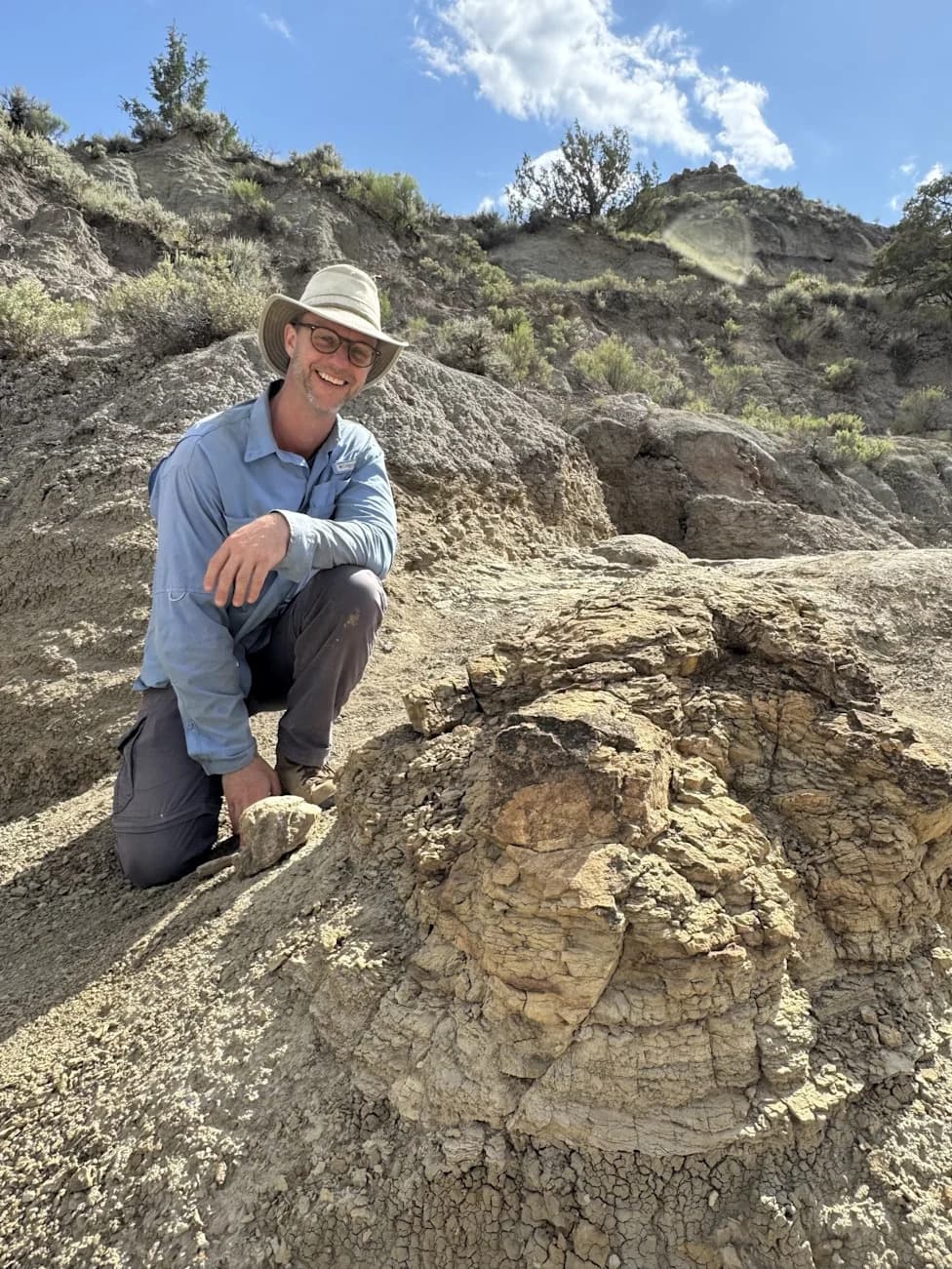
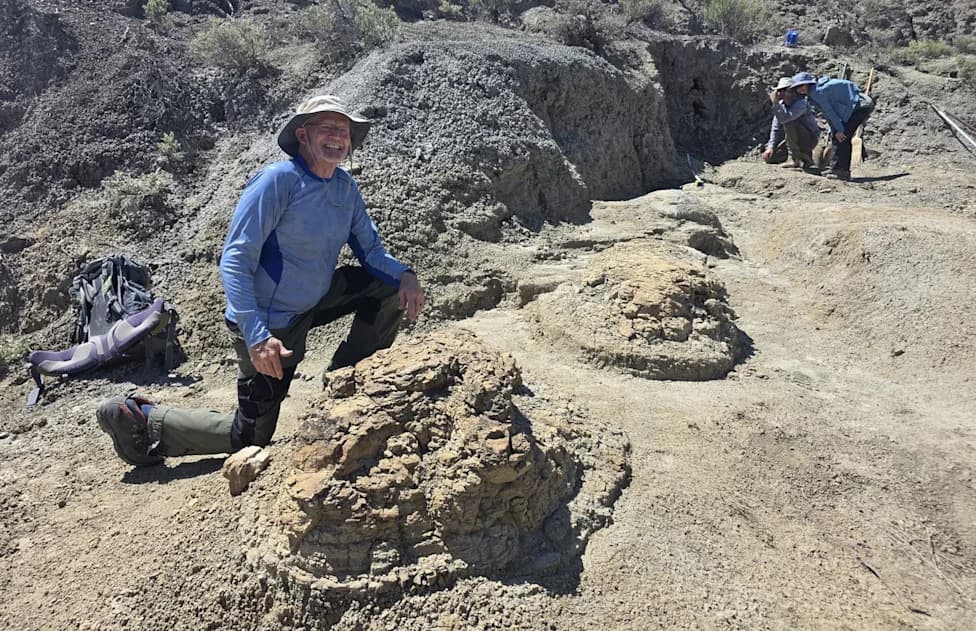
Kent Hups, a high school science teacher and research associate at the Denver Museum of Nature & Science, discovered four enormous three‑toed footprints last year in North Dakota’s Hell Creek Formation that researchers now attribute to Tyrannosaurus rex.
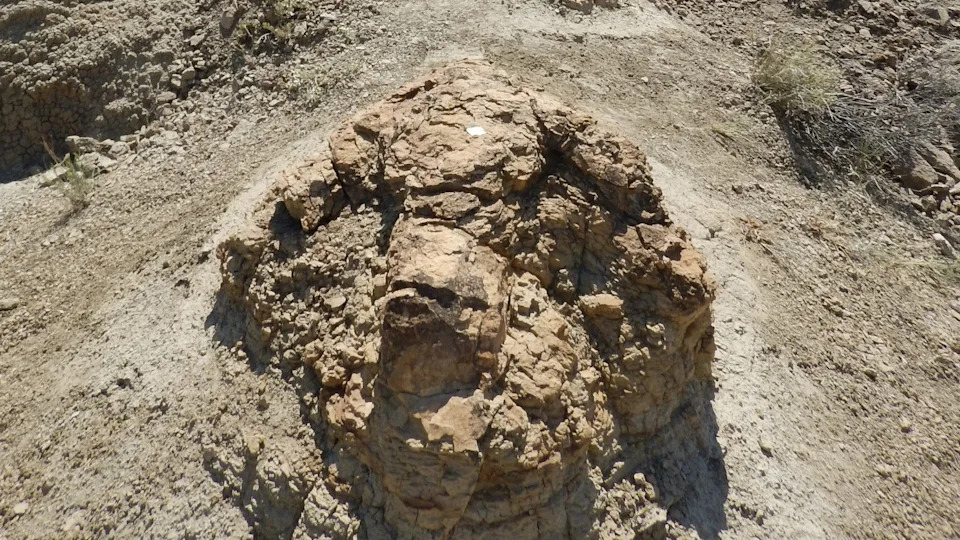
Courtesy of Kent Hups - PHOTO: High school science teacher discovers rare T. Rex track: "A real pivotal moment."
Discovery in the Field
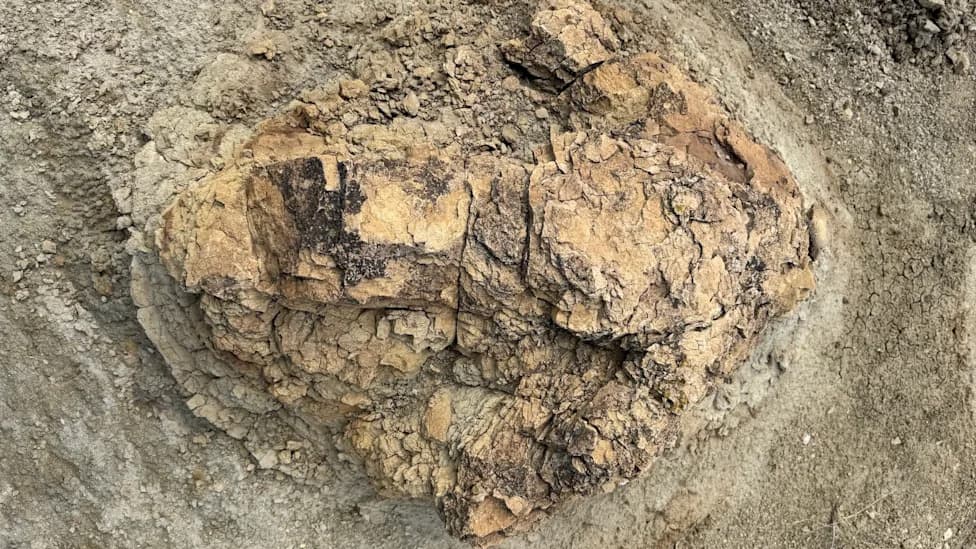
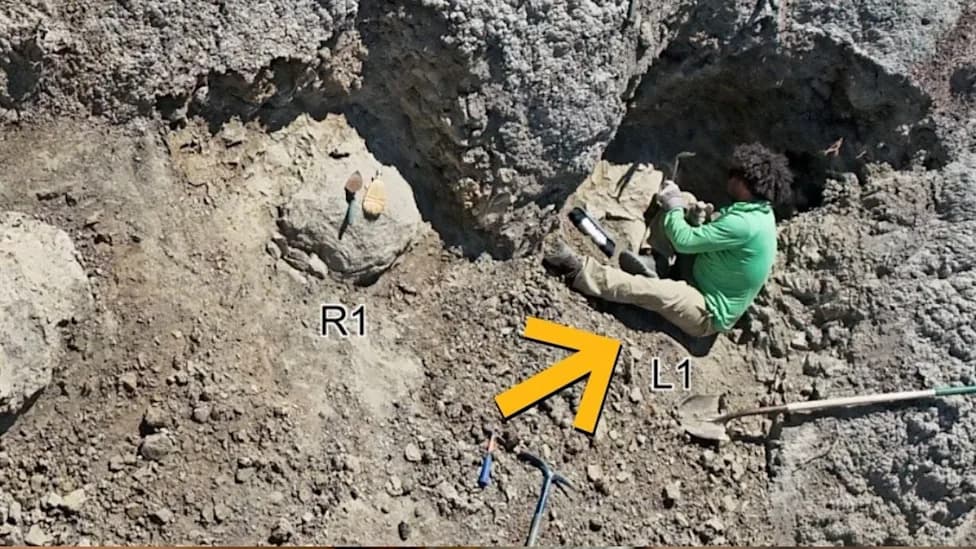
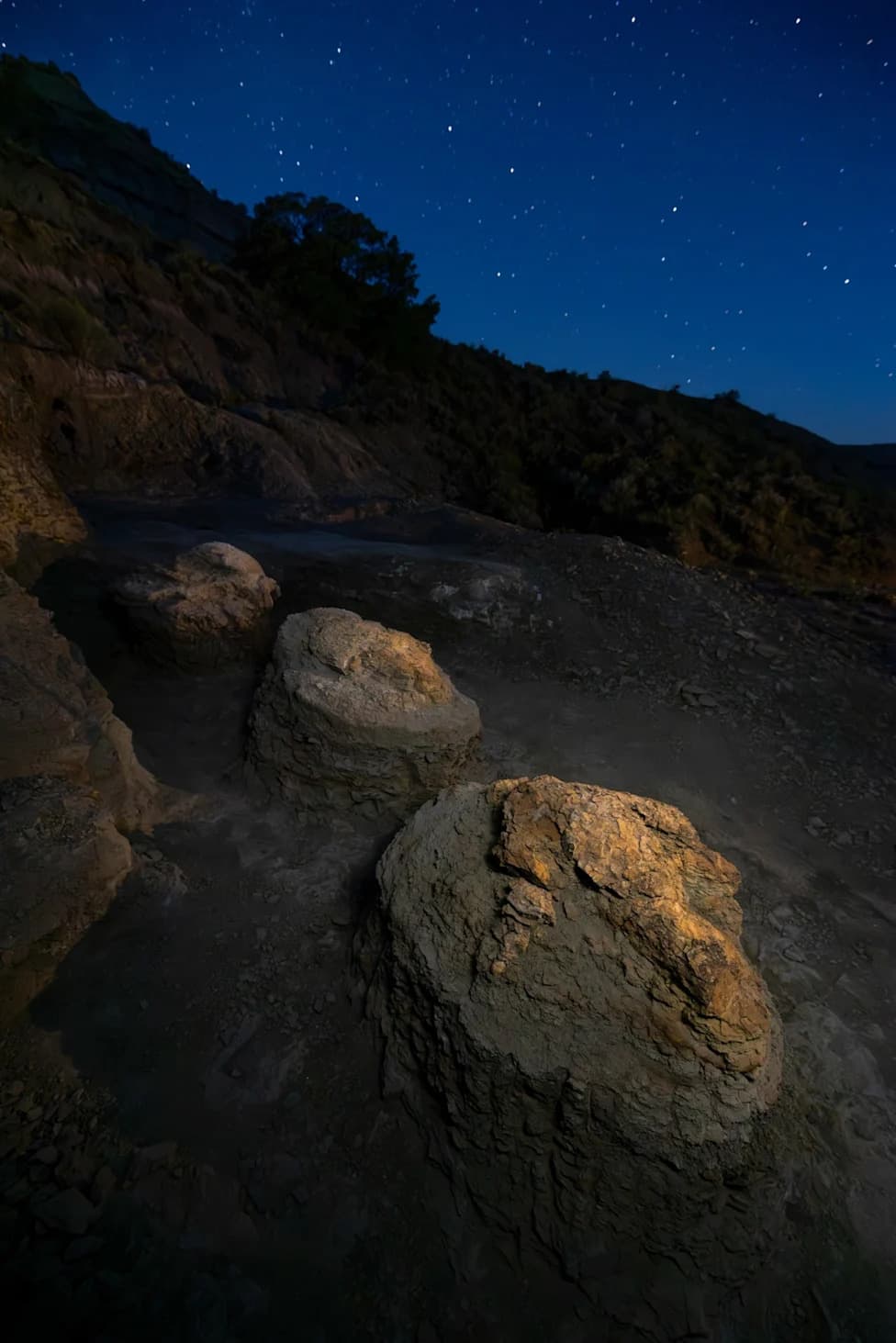
Hups found the prints — each roughly 3 feet long — along a 23‑foot sequence of impressions. The trackway, located on federally managed land overseen by the U.S. Forest Service, represents the first documented T. rex trackway, giving scientists a rare opportunity to observe how the animal moved across the landscape.
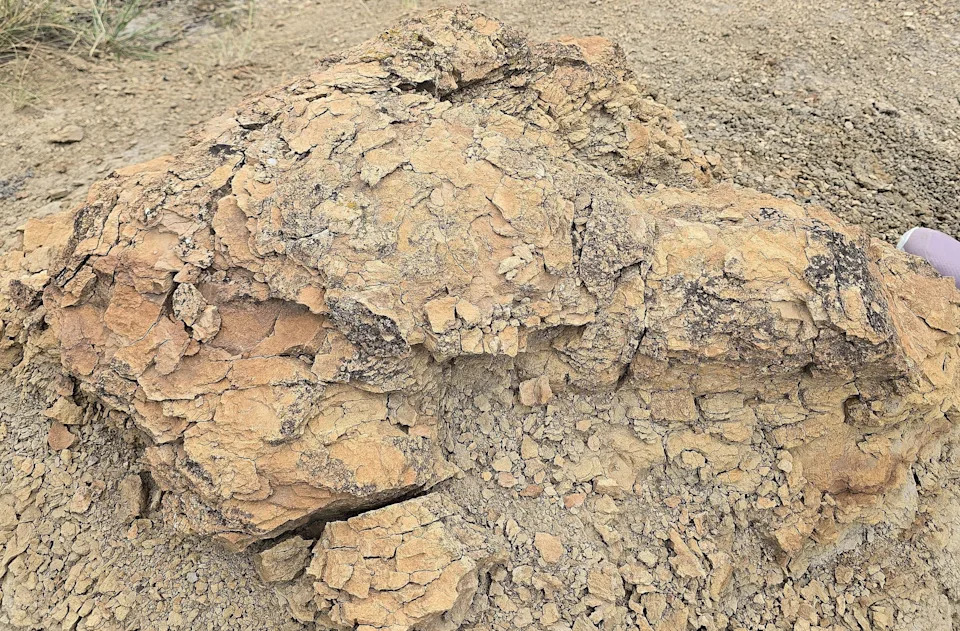
Courtesy of Kent Hups - PHOTO: High school science teacher discovers rare T. Rex track: "A real pivotal moment."
"I immediately started jumping up and down and hooting and hollering," Hups told ABC News. "It was like a real pivotal moment. I didn't sleep very much that night. ... It's going to be one of those days that I'll never forget."
Scientific Analysis
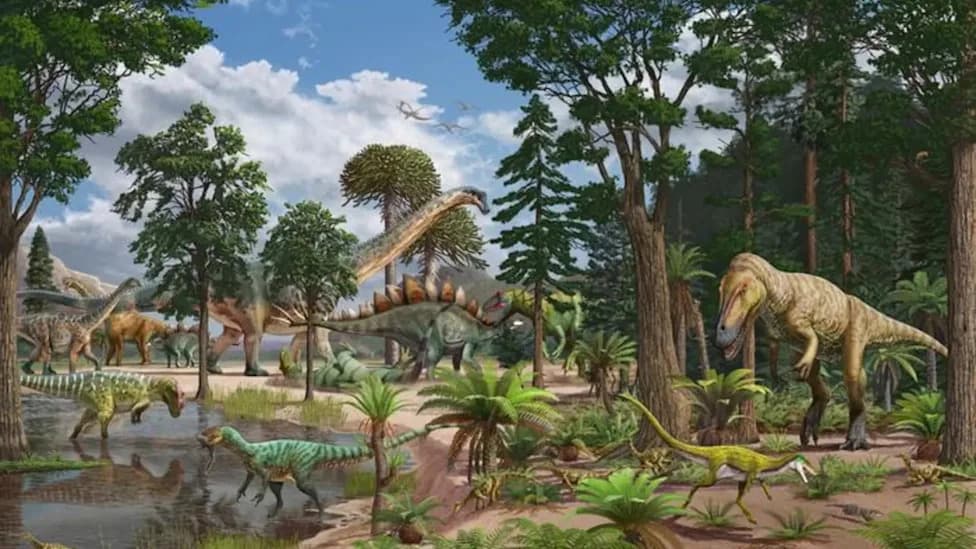
The researchers published their findings in the Journal of Vertebrate Paleontology on Sept. 8, estimating the impressions to be about 66.5 million years old. They identified a T. rex as the most likely trackmaker based on the tracks' exceptional size, narrow digit impressions and the abundance of T. rex body fossils in the surrounding Hell Creek Formation.
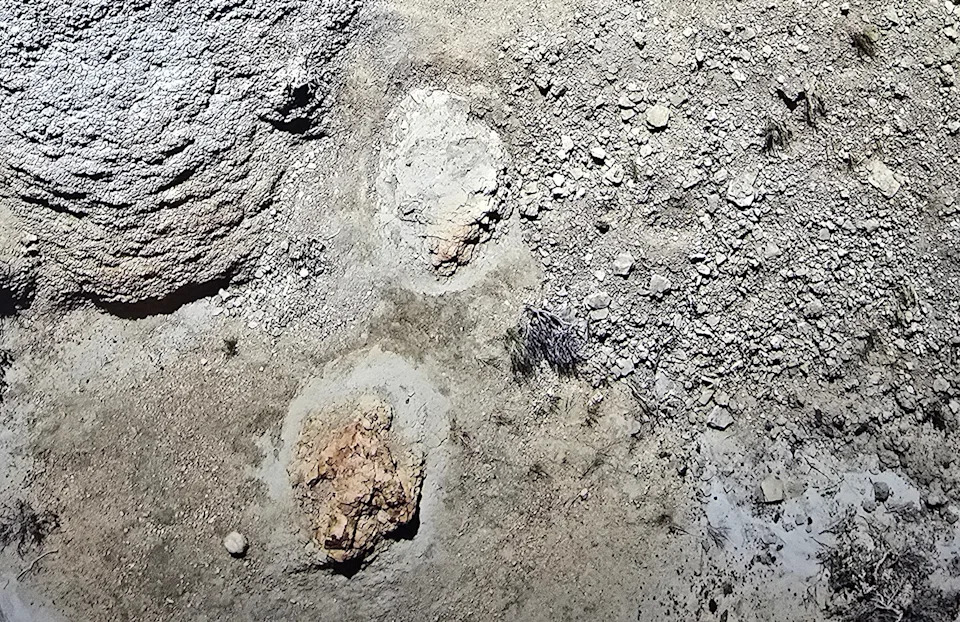
Courtesy of Kent Hups - PHOTO: High school science teacher discovers rare T. Rex track: "A real pivotal moment."
The prints were spaced at about 13 feet apart, enabling scientists to estimate the animal's speed at roughly 3.5–4.5 miles per hour — comparable to a brisk human walk. As Tyler Lyson, senior curator of vertebrate paleontology at the Denver Museum of Nature & Science, explained: "Bones tell us an enormous amount about these animals, but footprints capture a moment of behavior. With a trackway, we can actually follow an animal as it moved across the landscape. That is incredibly rare for T. rex."
Methods and Preservation
To study the impressions in detail, researchers used high‑resolution 3D surface scanning to create precise digital and physical reproductions. These replicas allow paleontologists to analyze morphology, depth and subtle features of the prints without risking damage to the original fossils in situ.
Education and Outreach
Hups has shared the find with his geology students and his school's paleontology club, who have enthusiastically followed the discovery. "They're loving it," he said. The discovery also highlights the value of field prospecting and collaboration between educators, amateur researchers and museum scientists.
Why It Matters
Trackways provide behavioral snapshots that bones alone cannot. This first documented T. rex trackway helps fill gaps in our understanding of locomotion, stride and real‑time movement for one of the most studied — yet still mysterious — dinosaurs. Ongoing analysis of the prints and surrounding sediments may reveal more about the environment and conditions under which the trackway was made.
Location: Hell Creek Formation, North Dakota (U.S. Forest Service land).
Age: ~66.5 million years old.
Trackway: Four prints, each ~3 feet long, spaced ~13 feet apart on a 23‑foot trackway.
Methods: High‑resolution 3D surface scanning and physical reproduction.
Help us improve.