The Gates Foundation announced a $1 billion AI initiative, directing about $400 million to education to expand AI tutoring and personalized learning. Educators and researchers warn that past large-scale tech rollouts sometimes weakened learning and that schools need teacher training and foundational supports for AI to help. New York City has enacted a one-year moratorium on student-facing generative AI for pre-K/2-K–8th grades while it studies impacts; the foundation says pilots will be tested in low-income schools with independent evaluation.
Gates Foundation Pledges $400M for AI in Schools — Teachers Warn It Could Widen Equity Gaps

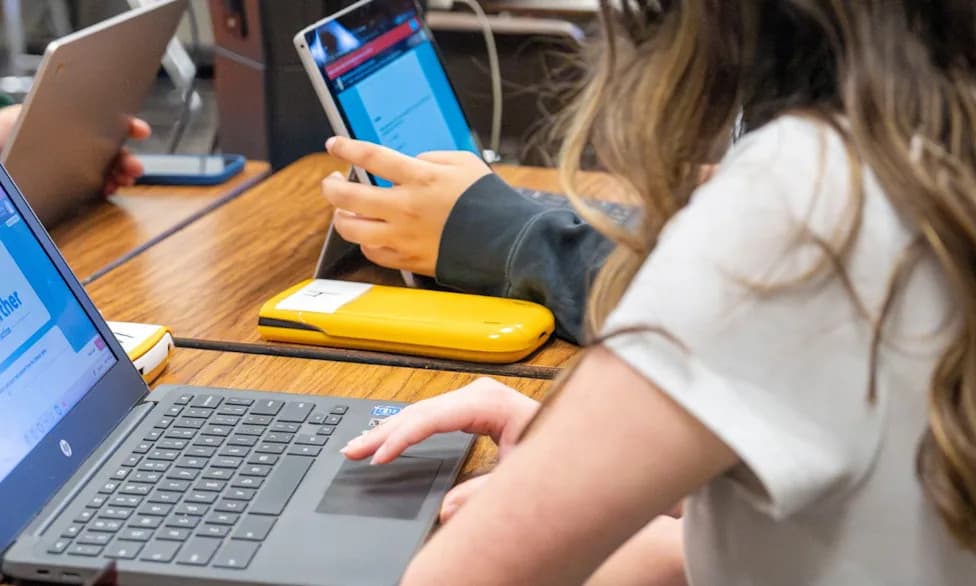
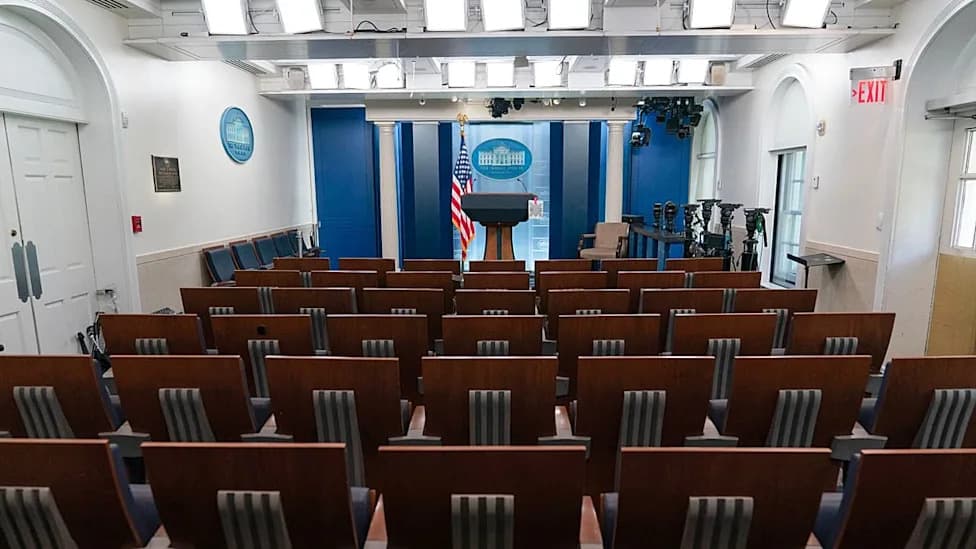
Teachers debate the effectiveness of widespread AI implementation in schools.
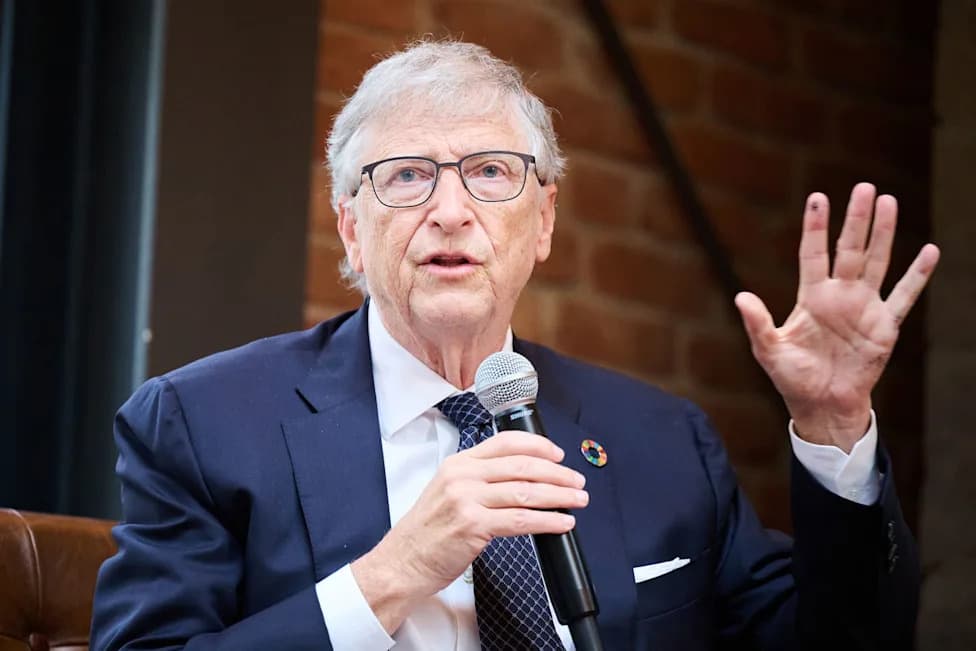
The Bill & Melinda Gates Foundation this week unveiled a $1 billion initiative to develop and deploy equitable artificial-intelligence tools across sectors, with roughly $400 million earmarked for education to support AI tutoring and personalized learning in U.S. and international classrooms.
The investment is part of a broader education strategy the foundation released in July that aims to help up to 10 million more Americans earn “credentials of value” by 2045. But the move comes amid renewed debate about the value of large-scale technology rollouts in schools and whether AI can genuinely improve learning for the students who need it most.
Concerns From Educators and Policymakers
Some researchers and teachers argue that indiscriminate digital expansion can harm learning. Test-score declines among some student groups since the shift to computer-based assessments and testimony to a U.S. Senate committee suggesting Generation Z showed weaker cognitive outcomes after a $30 billion laptop rollout have heightened skepticism.
"Evidence indicates that indiscriminate digital expansion has weakened learning environments rather than strengthened them," neuroscientist Jared Cooney Horvath wrote in Senate testimony.
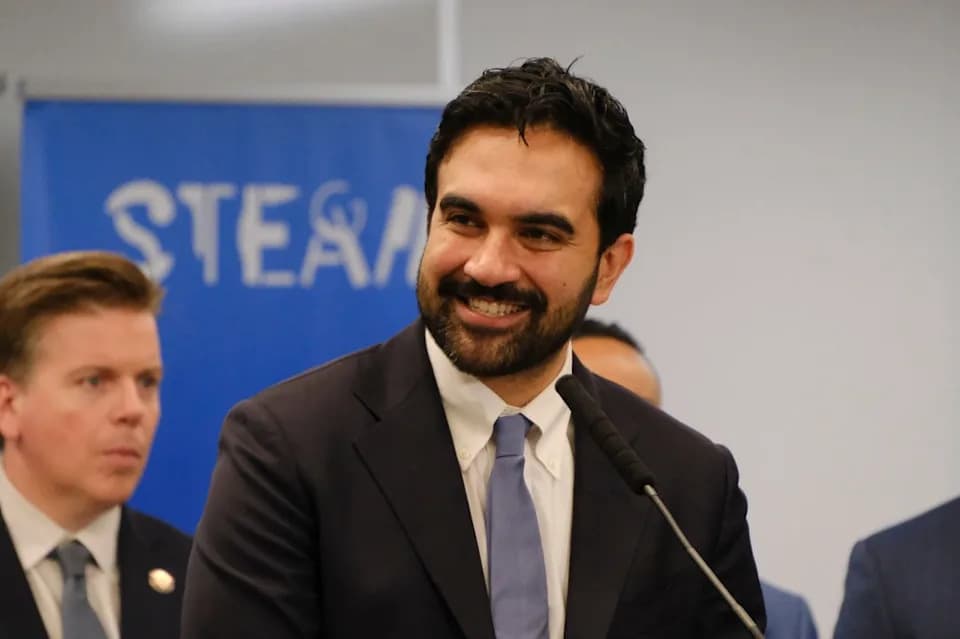
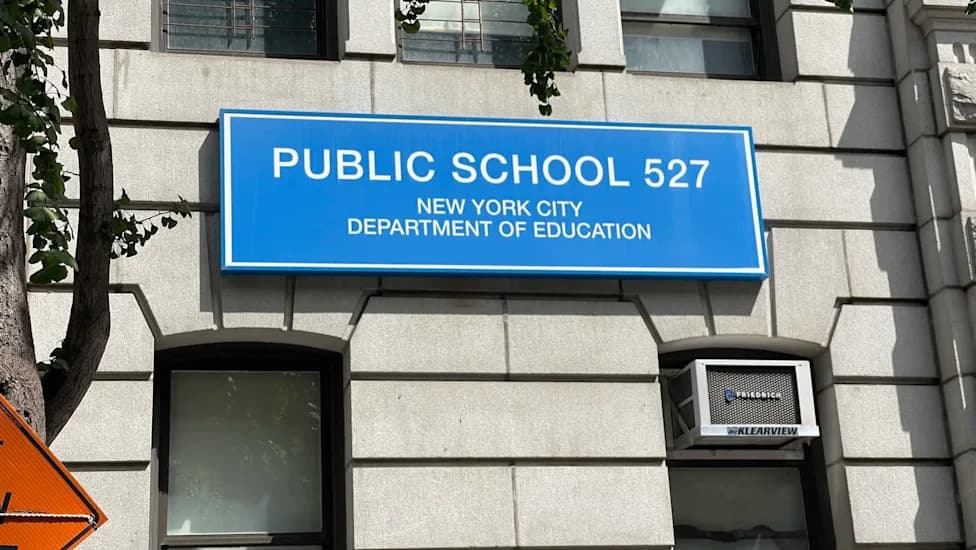
That skepticism has shaped policy in places such as New York City. On Sept. 2, Mayor Zohran Mamdani and Schools Chancellor Kamar Samuels announced a one-year moratorium on student-facing generative AI for students in pre-K/2-K through 8th grade, covering nearly 600,000 pupils, while the district studies the technology's impacts.
"The tech industry wants us to believe that AI-powered early education is not only inevitable, but necessary. We do not see it that way," Mamdani said.
What the Gates Foundation Says
The foundation says the funding is intended to correct a market failure: powerful tools tend to be built first for those who can pay, not necessarily for communities that would benefit most. A foundation spokesperson told Fortune that its education pilots will focus on schools serving high shares of low-income students, pair tools with teacher training, and be evaluated by independent researchers before any scaling.
The foundation's strategy document acknowledges that "too many tools have been adopted without evidence they work" and stresses that teachers "remain central" to instruction. The foundation also highlighted plans for external evaluations, including a Johns Hopkins study of at least one pilot tool.
Voices From Classrooms
Teachers and edtech leaders welcome funding but warn that money alone will not ensure success. Siobhan Casey, a principal with 21 years in education, said AI can be a useful starting point for lesson planning and administrative tasks but requires teacher oversight to check accuracy and alignment with learning goals.
"AI can support teacher expertise, but it cannot replace it," Casey said.
Amy McBride, who teaches at a special-education school in Florida, said the biggest obstacle is implementation: handing a school an AI tool does not guarantee teachers have the time, training, or support to use it effectively. She warned investments could unintentionally widen gaps if students who most need help also need the most adult guidance to use AI well.
Edtech CEO Dora Palfi cautioned that many districts targeted by the funding still prioritize foundational needs such as literacy and numeracy. "The danger here is that the exact funding made to close a divide could end up widening it," she told Fortune.
Other teachers report concrete classroom benefits: AI can provide alternate explanations, give students more practice at their own pace, and free teachers' time for direct instruction—but several educators stressed those benefits rely on strong implementation, ongoing training, and evaluation of long-term learning gains—not just short-term score improvements.
What Matters Going Forward
Experts say three components will determine whether the Gates Foundation's education investment succeeds: evidence-based pilots with robust independent evaluation, substantial teacher training and support, and attention to foundational learning needs so AI complements—not replaces—effective instruction. The foundation has committed to testing those elements before broad scaling.
As districts and philanthropies move forward, policymakers and educators will be watching whether pilot results demonstrate durable learning recovery for students who have fallen behind—and whether large investments in AI truly narrow, rather than widen, existing equity gaps.
This story was originally reported by Fortune.
Help us improve.