LAUSD’s June policy largely bans district-issued devices for early education through first grade and sets graduated screen-time caps for older students (about one hour per subject per week in middle school and up to 90 minutes per subject in high school). Teachers are redesigning lessons—replacing apps and simulations with puzzles, art activities and hands-on demonstrations—but say the shift is challenging after years of one-to-one device programs. Advocates praise the move for restoring teacher-led instruction, while critics warn it could limit supports for students with disabilities and English learners. The district says it has offered professional development, though some educators say they have not yet received that support.
How LAUSD Teachers Are Reworking Lessons to Comply With New Classroom Screen-Time Limits
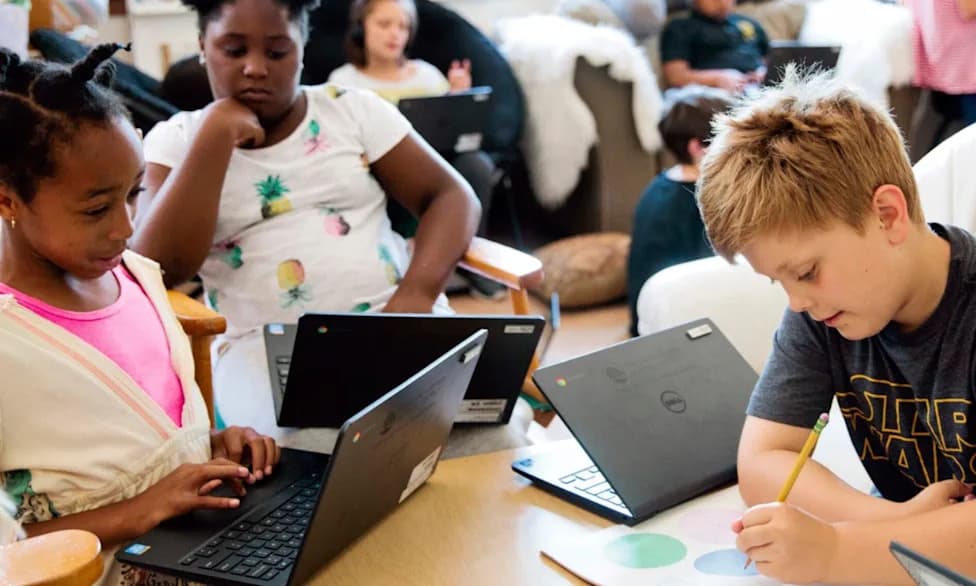
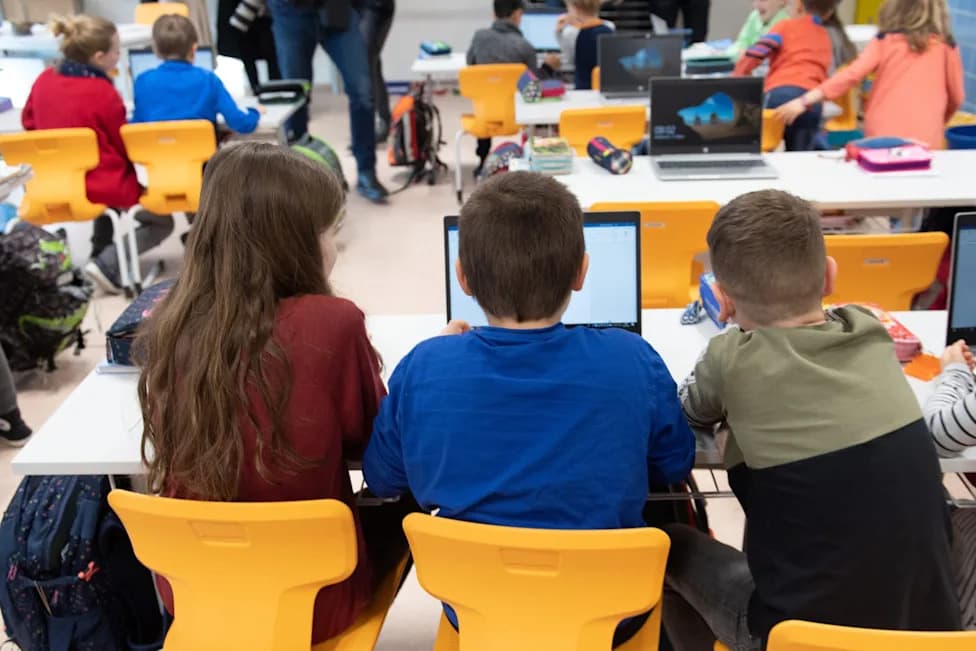
Weeks into the school year, teachers across the Los Angeles Unified School District are redesigning lessons to comply with a new district policy that largely bans district-issued devices for the youngest students and imposes strict limits for older grades.
What the Policy Requires
Approved in June, the policy generally prohibits district-issued devices for early education through first grade. For higher grades it imposes graduated caps on screen time — middle school students will be limited to roughly one hour of screen time per subject each week, and high school students may have up to 90 minutes per subject weekly.
Teachers Changing Instruction
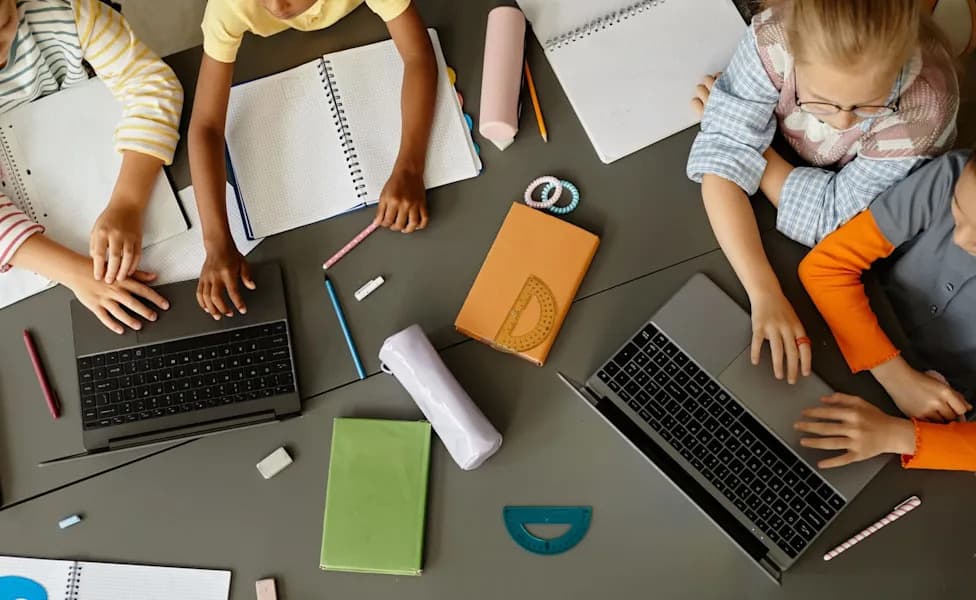
Some teachers have replaced app-based stations and simulations with hands-on activities. A first-grade teacher switched an iPad learning station to jigsaw puzzles and art exercises to reinforce letter recognition. A middle-school science teacher is planning toy-car demonstrations for Newton’s Third Law instead of relying on a digital simulation.
“Our goals haven't changed whether we're on screens or not,” said Armaghan Khan, an eighth-grade teacher at Johnnie Cochran Jr. Middle School. “The idea is still to provide quality, standards-aligned instruction. For many newer teachers, myself included, we haven’t taught that way before, so it’s a transition.”
“We should trust teachers to make good instructional decisions, and that as long as we equip them with appropriate professional development and support, they are fully capable of deciding when and how to use technology,” said Corinne Hyde, a professor of education at USC.
Concerns and Trade-Offs
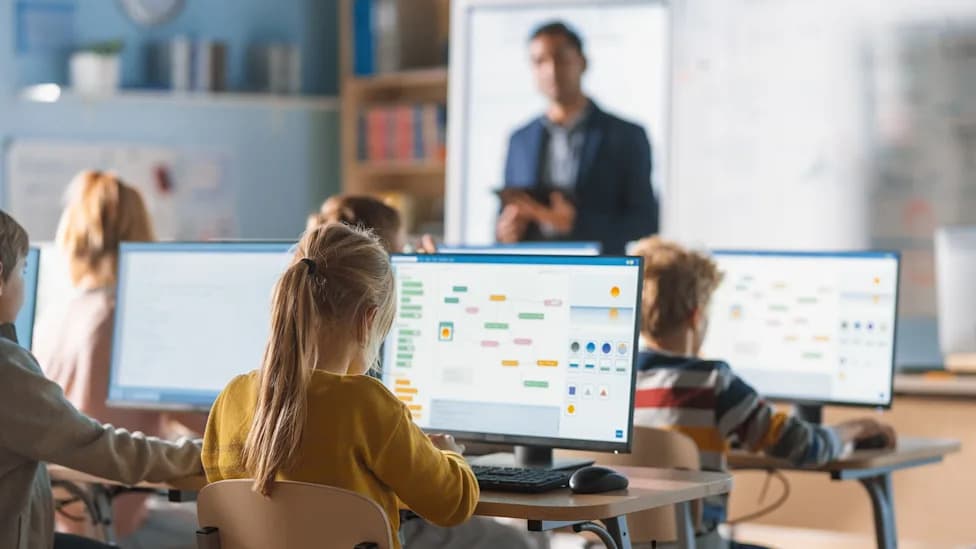
Many educators worry about retooling lessons that were built around one-to-one devices, which had come to replace textbooks and some paper-and-pencil work. Teachers also say the limits could disproportionately affect students who rely on technology for accommodations — including students with disabilities and English learners — even though non-digital accommodations are possible in principle.
First-grade teacher Martha Medina said she planned three 15-minute rotation stations so she could deliver targeted instruction: one station with her, another in the library and a third using a learning app. With the app removed, she replaced that station with puzzles and art, but the change makes it harder to manage groups and keep students focused without additional support staff.
Voices From Parents and District
Parents who pushed for the policy say it restores teacher-led instruction, encourages hands-on learning and improves peer interaction. Julie Edwards, a member of Schools Beyond Screens, described how her child used to return home fixated on a gamified platform; now the child talks more about classmates and classroom rewards.
The district says it has offered professional learning opportunities, both in-person and online, for administrators and teachers to support the transition. “Our goal is to ensure that all school sites are well-prepared with the tools, understanding, and support needed to effectively implement these guidelines in a way that supports student learning and well-being,” LAUSD said in a statement. Several teachers report they have not yet accessed that support.
Looking Ahead
Teachers describe the rollout as having “growing pains,” but many express cautious optimism. Khan, who has used interactive tools like Gizmos to visualize complex science ideas, said simulations allow deeper exploration, yet he’s open to rethinking lessons to achieve the same learning goals without screens.
As the limits take fuller effect in January for some grades, schools will continue experimenting with low-tech alternatives and will need ongoing professional development and resources to maintain equitable instruction for all students.
Help us improve.