Residents at the Rise Biltmore in central Phoenix report repeated cooling and water outages this summer, including one day that reached 117°F. Message logs show multiple shutdowns in August and early September, and tenants say management's repairs have been temporary. A Rise48 Equity spokesperson blamed a water‑main issue affecting the centralized chiller, while local data show many heat‑related deaths occur indoors when air conditioning or power fails. Legal experts advise tenants to document problems, give written notice, and pursue code enforcement or reimbursement rather than withholding rent.
Phoenix Tenants Left Without AC During 117° Heat as Repairs Labeled 'Band‑Aids'
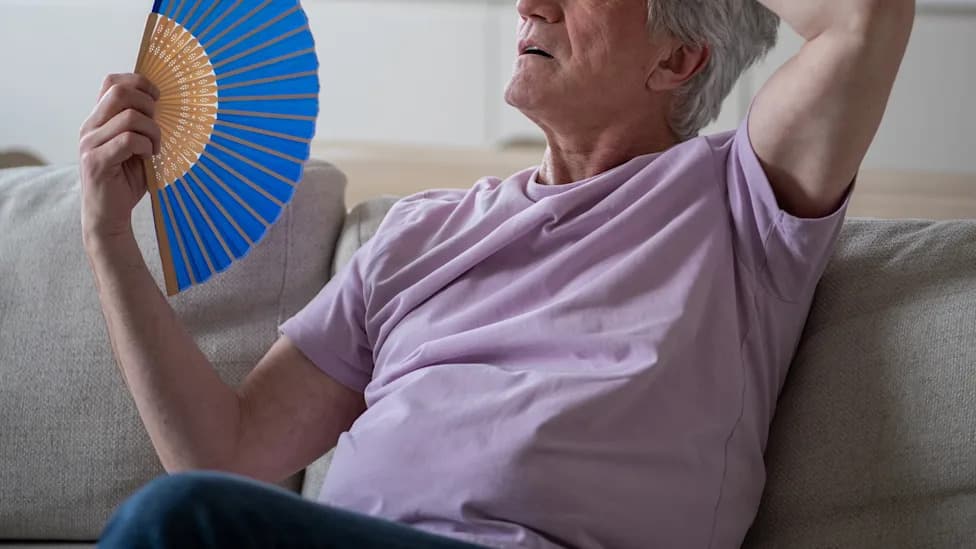
Photo Credit: iStock
Tenants at the Rise Biltmore apartment complex in central Phoenix say repeated cooling and water outages left many residents without air conditioning during some of the hottest days of the year — including one day that reached 117°F. Residents describe management fixes as temporary "band‑aids" rather than permanent repairs to underlying infrastructure.
What Happened
According to The Arizona Republic, outages at Rise Biltmore have occurred multiple times this summer. Residents received a message on Aug. 26 at 10:23 a.m. notifying them that water and cooling would be shut off for routine maintenance for an estimated three hours; management did not report service restored until nearly five hours later. Message logs cited in reporting show shutdown notices on Aug. 1, Aug. 26, Aug. 27, Aug. 30, Sept. 1 and Sept. 8.
Resident Tatiana Melendez circulated a petition after prolonged interruptions, saying, "They're not fixing the underlying problem." Other residents, like Valerie Castañeda, said they avoid staying in their units during outages and spend time elsewhere until service is restored.
Owner Response
A Rise48 Equity spokesperson told The Arizona Republic that a water‑main problem affected the property's centralized chiller system and that management is trying to address issues at the aging complex "immediately." The spokesperson said the company is "actively addressing building infrastructure and other areas that had been neglected under previous ownership or have experienced wear and tear over time."
Health Risks and Local Data
Loss of indoor cooling in Arizona can be life‑threatening. Citing Maricopa County data, The Arizona Republic reported 430 heat‑related deaths in 2025 in which heat exposure was either a direct cause or a contributing factor; among indoor deaths, more than 70% involved either a broken air conditioner or no electricity. Preliminary county figures for 2026 show that, as of Sept. 12, 185 heat‑related deaths had been confirmed this year, with roughly 600 additional cases still under investigation.
Tenant Rights And Practical Steps
Phoenix's housing ordinance requires that cooling systems be maintained and operational; apartments should reach 82°F or below with air conditioning, or 86°F or below with evaporative coolers. Javier Guerra, a counselor with Phoenix's Landlord and Tenant Program, told The Arizona Republic: "They have to maintain and repair the unit."
"You don't just sit in your hot apartment for five days. Especially once the temperature exceeds a certain amount, especially if you're elderly, or you have chronic illness, children. It is a health and safety issue,"
Legal advice reported in the story urges tenants to act promptly: deliver written notice (hand delivery or certified mail is best), keep records of indoor temperatures, preserve all communications from management, and document outages. Tenants may have options such as contacting code enforcement, seeking reimbursement for hotel stays or temporary housing, or pursuing legal remedies — but generally cannot lawfully withhold rent or perform self‑help repairs without risking legal or financial consequences.
Broader Context
Reporting also notes that across the U.S., some landlords or property rules limit tenants' ability to adopt low‑cost resilience measures (for example, clotheslines or gardens) that can reduce bills and help homes cope with extreme heat. Local advocates and tenants stress that repeated short‑term fixes do not address the safety risks posed by failing building infrastructure during heat waves.
Key dates of reported shutdown notices:
- Aug. 1
- Aug. 26 (10:23 a.m. notice; service restored nearly five hours later)
- Aug. 27
- Aug. 30
- Sept. 1
- Sept. 8
Residents and tenant advocates continue to press management and local officials for lasting repairs and clearer protections during extreme‑heat events.
Help us improve.