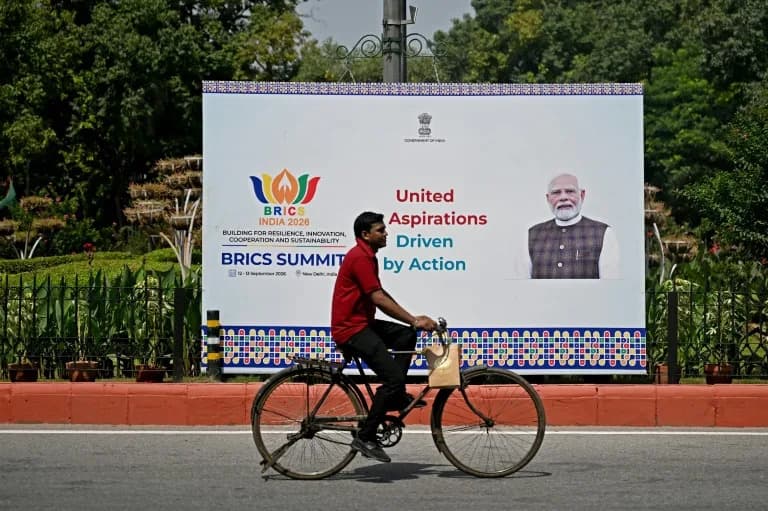
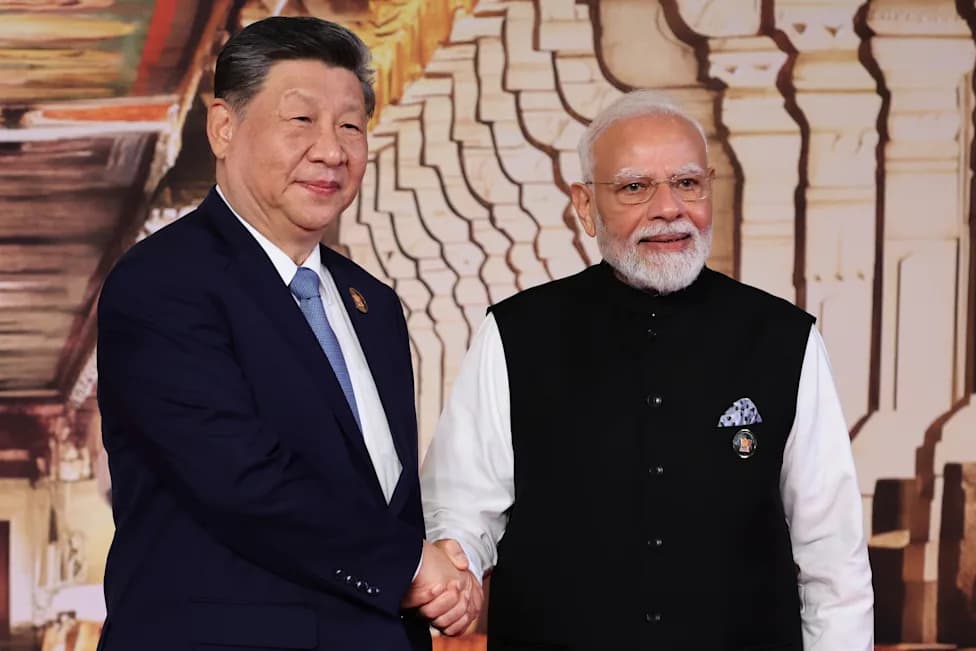
The BRICS summit in Delhi produced a detailed 45-page declaration stressing opposition to protectionism and "unlawful" unilateral sanctions while urging restraint over tensions in the Middle East related to the Israel–Gaza war. Leaders reaffirmed support for a two-state solution for Palestine and emphasised cooperation to protect trade, supply chains and maritime security. The declaration deliberately avoided naming Ukraine, exposing divisions within the bloc, even as Xi Jinping and Narendra Modi agreed to deepen business and transport links.
BRICS Summit in Delhi: Broad Reach, Strategic Goals — But Deep Divisions Remain
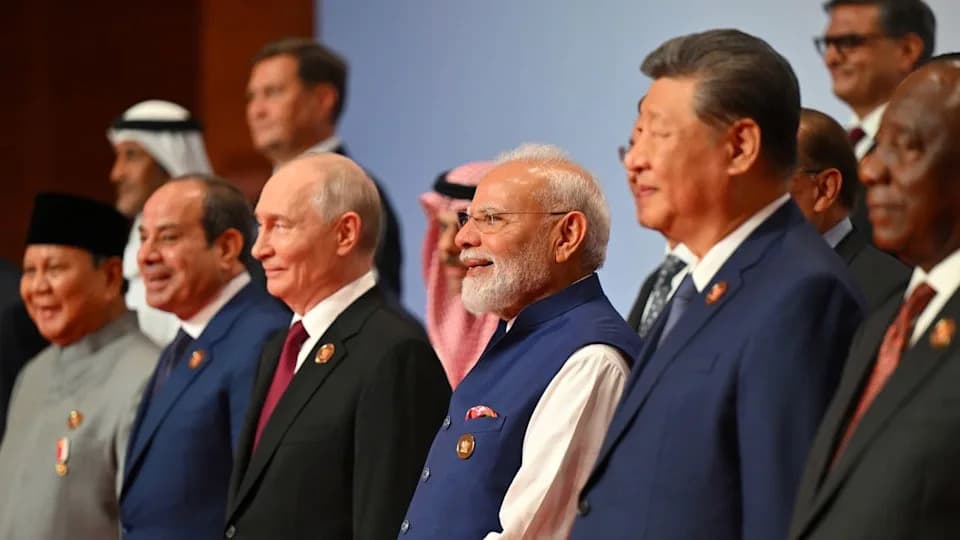
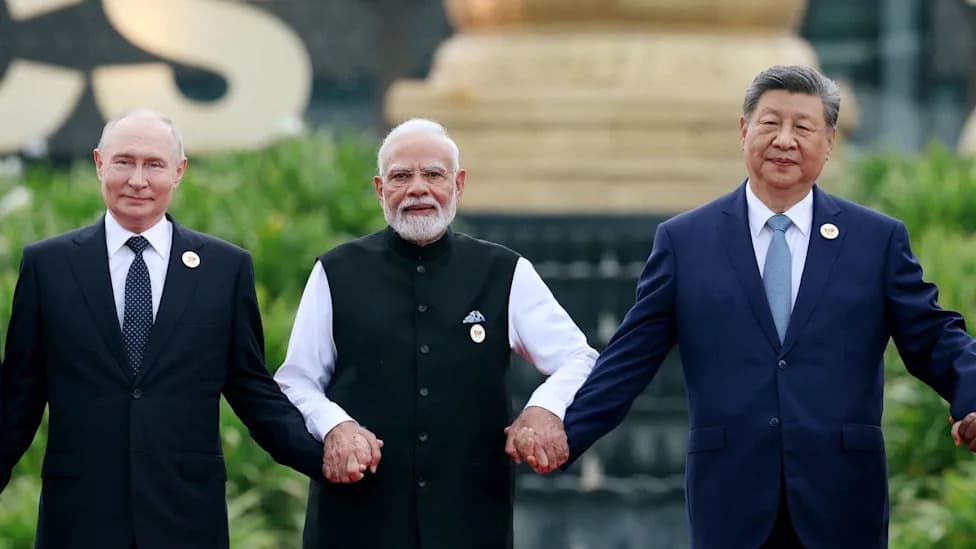
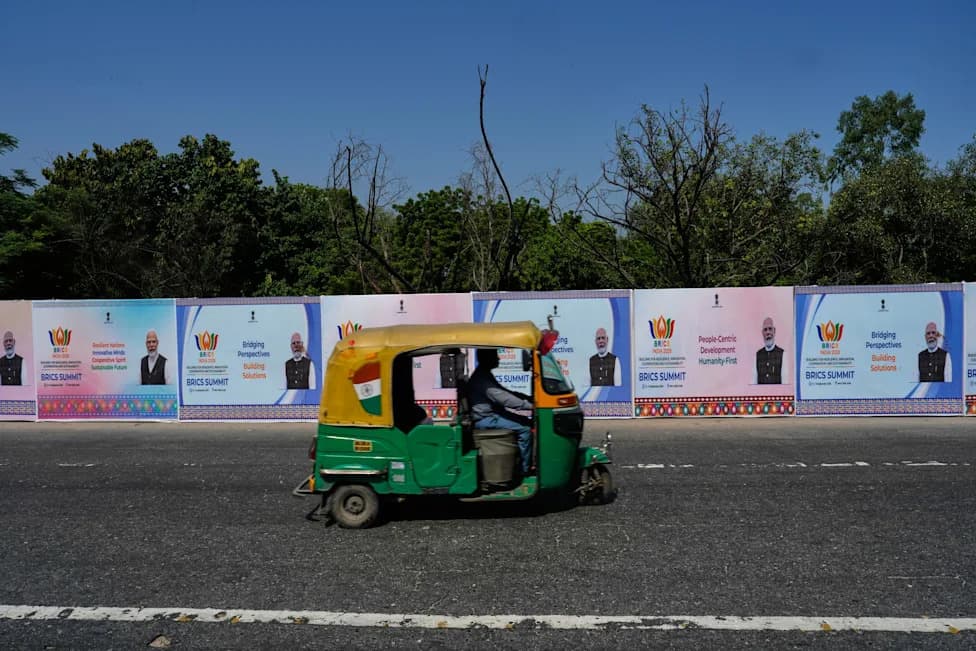
Brics represents 49.5% of the global population, 40% of global GDP and 26% of global trade, but many of its states are at odds with other members. | Credit: Press Information Bureau / Handout / Anadolu / Getty Images
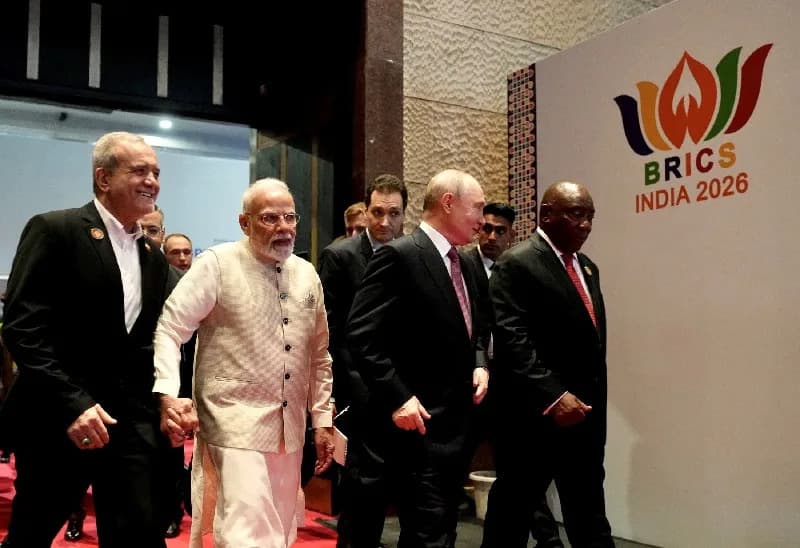
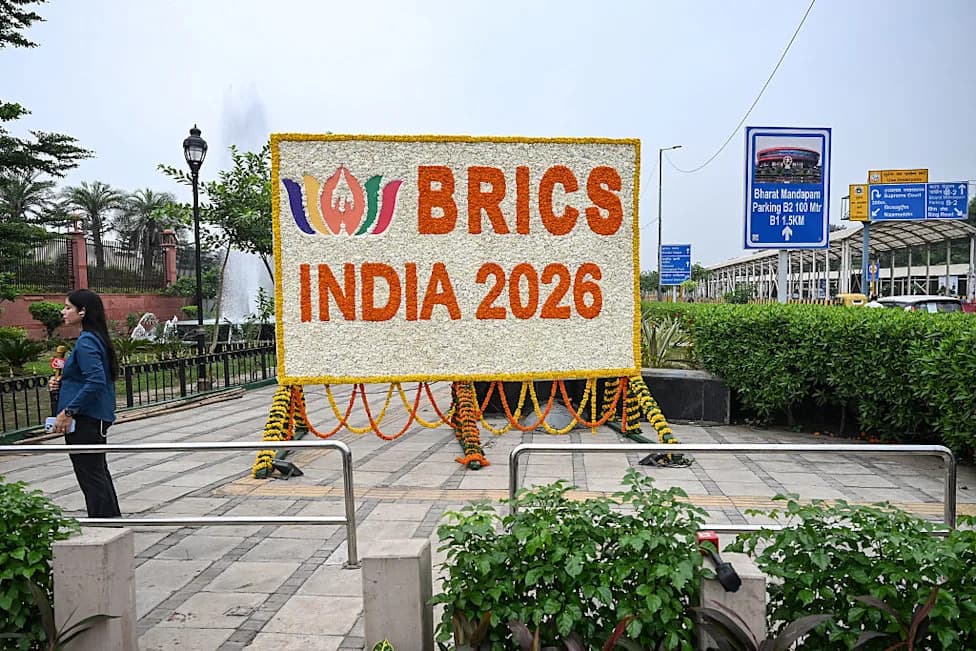
BRICS — the grouping of major emerging economies — showcased both its global heft and its internal limits at the recent summit in Delhi. Representing roughly 49.5% of the world’s population, about 40% of global GDP and nearly 26% of international trade, the bloc adopted a 45-page final declaration that emphasised trade cooperation, opposition to unilateral sanctions, and a push for a more multipolar world.
What the Declaration Said
The leaders condemned protectionism and criticised "unlawful" unilateral sanctions not authorised by the UN Security Council, arguing such measures undermine international law and the UN Charter. The declaration urged cooperation to protect global trade, stabilise supply chains, safeguard energy flows and ensure maritime security amid ongoing conflicts that disrupt commerce.
Middle East, Palestine And Gaza
On the Middle East, the summit called for "maximum restraint" amid rising tensions related to the Israel–Gaza war. BRICS expressed "deep concern over the continued escalation of tensions," opposed forced displacement of Palestinians and called for an end to Israel's military offensive in Gaza, reaffirming support for a two-state solution and the creation of a sovereign Palestinian state.
Ukraine And Geopolitical Fault Lines
The declaration avoided naming Ukraine directly, reflecting sharp divisions within the bloc — notably because Russia is a founding member and subject to extensive Western sanctions. Instead, leaders urged that international disputes be resolved by "dialogue, consultation and diplomacy," a deliberately generic formulation that highlights BRICS' difficulty in speaking with one unified voice on some conflicts.
Economic And Strategic Ambitions
BRICS reiterated its aim to strengthen multilateralism and advance a more multipolar global order that could create new opportunities for emerging and developing economies. Several members sought deeper economic ties and investment partnerships, with Iran notably pressing for expanded cooperation in response to US sanctions.
China-India Engagement
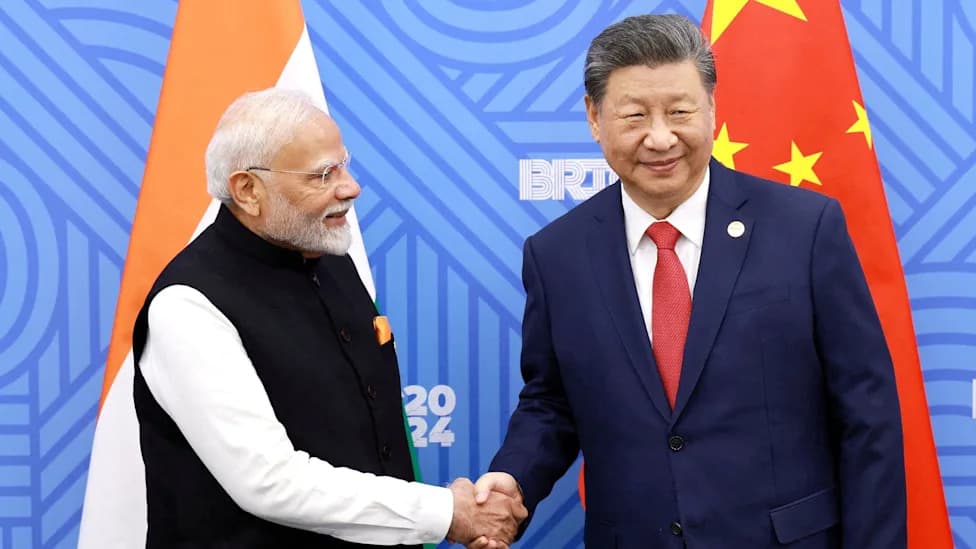
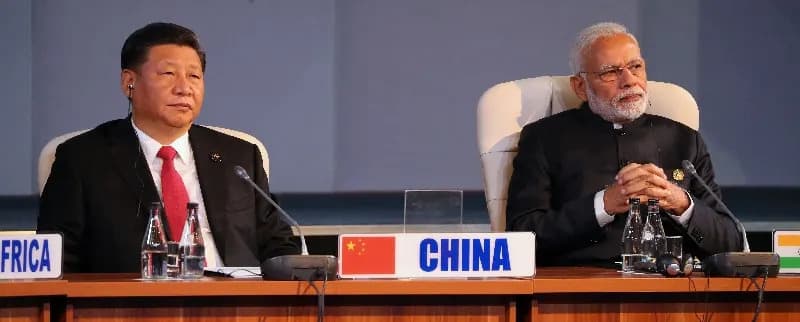
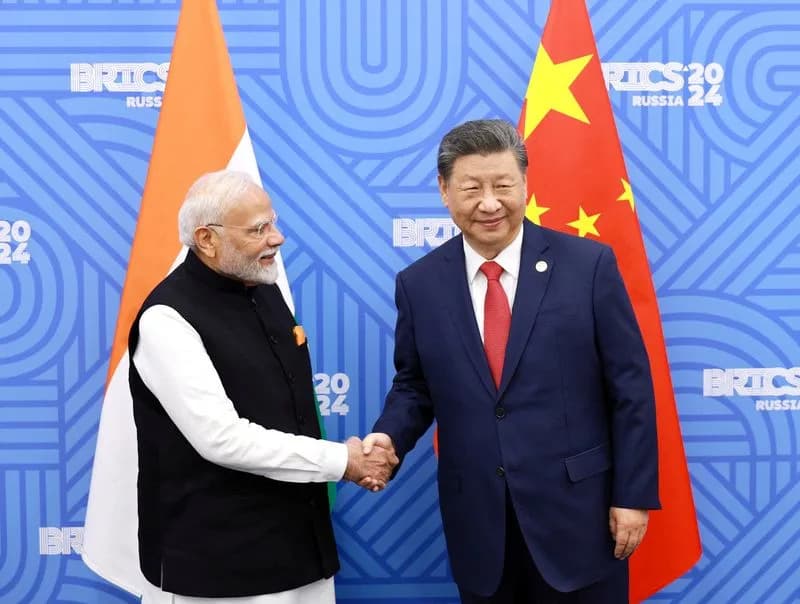
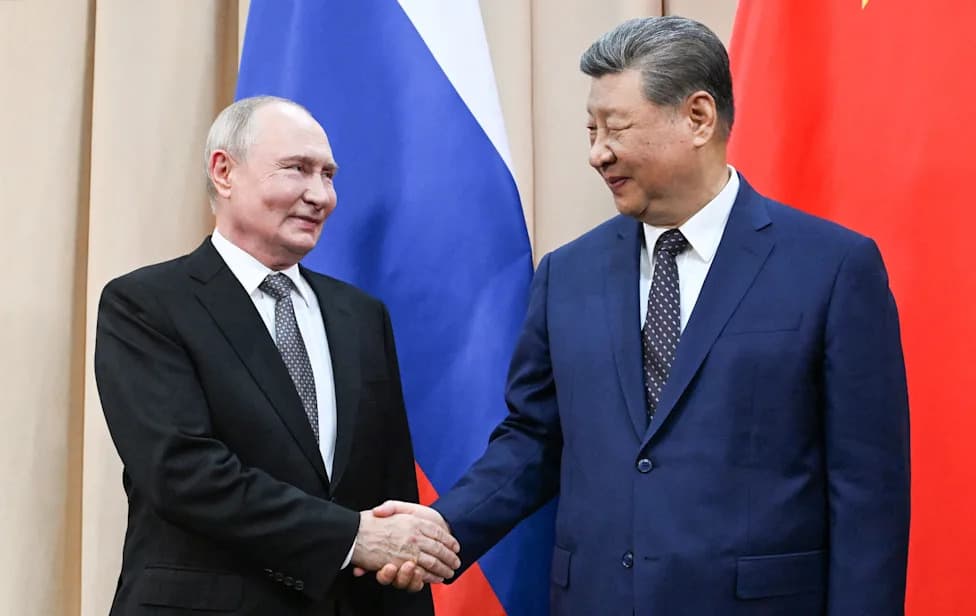
Chinese President Xi Jinping's visit to India — his first in seven years — produced tangible outcomes despite lingering mistrust between Beijing and New Delhi. Xi and Prime Minister Narendra Modi agreed to strengthen business links, improve transport connections and address barriers to trade, illustrating BRICS' role as a venue where strategic rivals can pursue pragmatic cooperation outside Western-led institutions.
Limits To Cohesion
"A grouping whose most consistent thread is opposition to the US and its allies is unlikely to become a coherent pole of a truly multipolar order," warned analysts after the summit.
Regional rivalries remain acute: Iran is effectively at odds with the UAE and Saudi Arabia, and the latter two have long-standing disagreements over conflicts in Yemen, Sudan and Somalia. Those tensions, together with differing economic priorities, constrain BRICS' ability to act decisively as a single geopolitical force.
Bottom Line
The Delhi summit underlined BRICS' economic significance and its aspirations for a rebalanced global architecture. But the group's internal disagreements — combined with cautious, non-specific language on some crises — limit how far it can convert collective declarations into unified policy or global influence.
Help us improve.