Researchers led by Kohei Tanaka report more than 250 Fusioolithus eggshell fragments from the Upper Cretaceous Chorrillo Formation in southern Patagonia — the southernmost dinosaur eggs recorded to date. The eggshells are highly porous, indicating fully buried nests, and environmental constraints suggest solar heating alone was insufficient. The team proposes titanosaurs built compost-style mound nests that generated incubation heat through microbial decay, showing these sauropods nested at higher latitudes than previously known.
Titanosaurs May Have Built Compost-Style Mound Nests To Incubate Eggs In Cold Patagonia
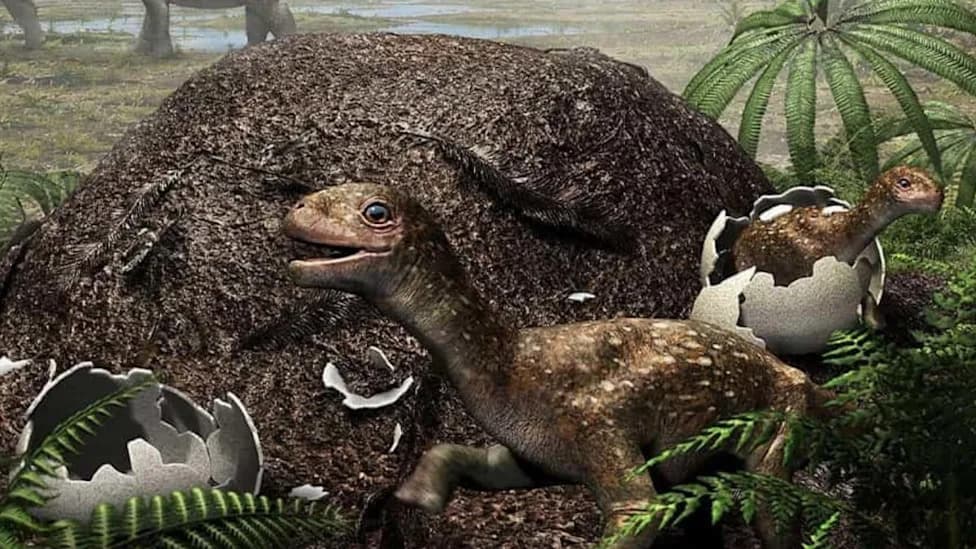
Artist's depiction of a titanosaur hatchling emerging from its compost nest. (Masato Hattori)
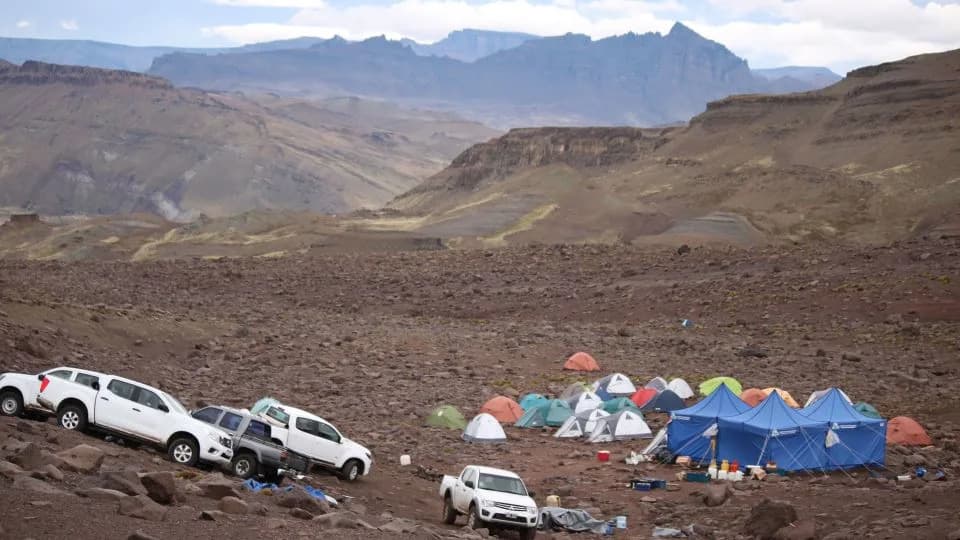
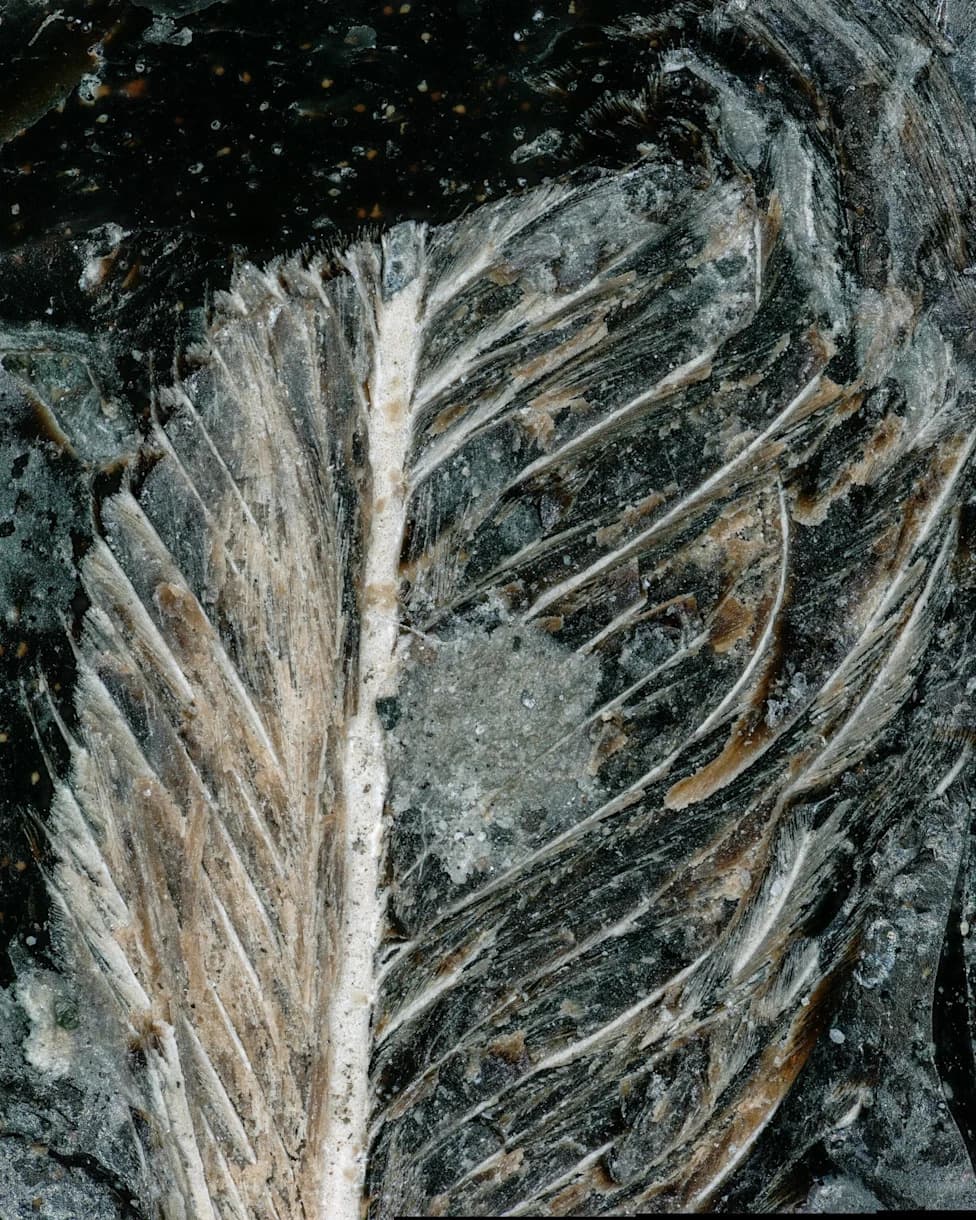
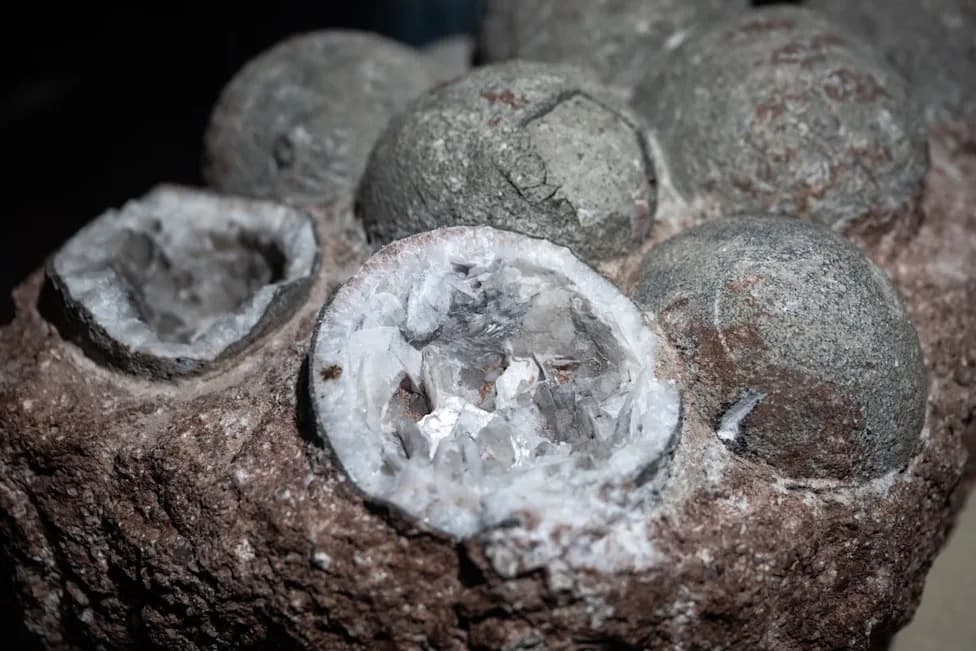
Dinosaurs are rarely associated with chilly climates, yet researchers have unearthed more than 250 fragments of massive eggshell in the Upper Cretaceous (Maastrichtian) Chorrillo Formation at the southern reaches of Patagonia. A team led by Kohei Tanaka of the University of Tsukuba reports in Royal Society Open Science that these are the southernmost dinosaur eggs ever recorded.
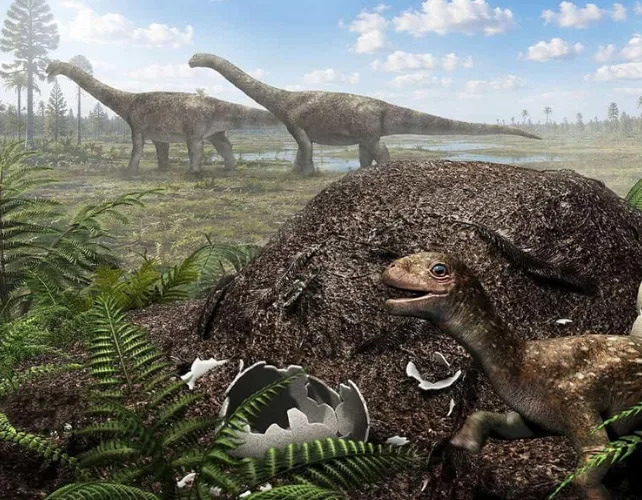
Artist's depiction of a titanosaur hatchling emerging from its compost nest. (Masato Hattori)
Where and What Was Found
The eggshell fragments — attributed to Fusioolithus, a type of soccer ball–sized egg — likely came from titanosaurs, the last lineage of giant, long-necked sauropods. When laid, the nests would have been located roughly 55–60° south of the equator, in a climate the authors compare to modern-day New York.

Subscribe to ScienceAlert's free fact-checked newsletter
Why These Eggs Are Surprising
Fossil evidence of non-avian dinosaurs nesting so close to the South Pole is rare. At high latitudes, winter sunlight is limited and air temperatures drop, so eggs require reliable sources of incubation heat over the many months of embryonic development.
YouTube Thumbnail
Evidence for Buried, Compost-Style Nests
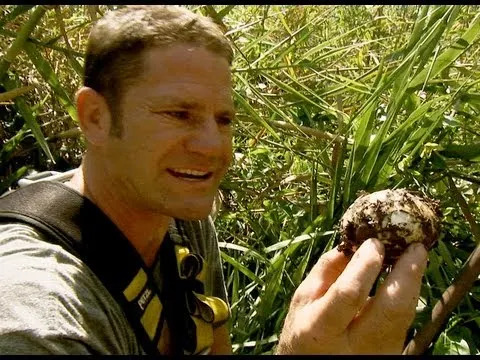
Tanaka and colleagues found that the eggshell fragments were highly porous. Previous research links large eggshell pore size with fully buried nests: buried eggs need larger pores to obtain sufficient oxygen, while exposed eggs tend to have smaller pores to limit water loss. Burial helps retain heat, but in cold Patagonian conditions it would not necessarily generate enough warmth on its own.
YouTube Thumbnail
“The nest would be one big omelette,” said paleontologist Darla Zelenitsky, a coauthor on the study, describing why adult titanosaurs could not simply sit on the eggs to brood them.
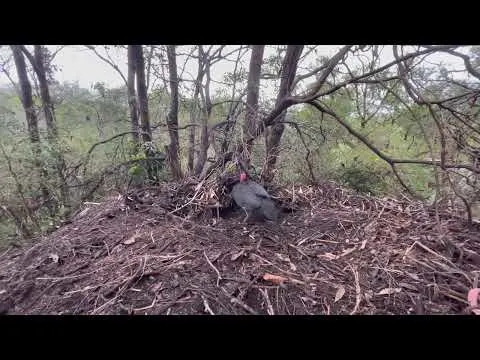
The researchers propose that titanosaurs mixed plant material and soil into mound-style nests, letting microbial decomposition (composting) generate the additional heat needed to incubate the eggs. Modern analogues include saltwater crocodiles and brushturkeys, which build vegetation mounds that produce steam and high temperatures as the material ferments.
Implications
Combining the burial context, shell porosity, and the absence of evidence for geothermal heating or sufficient solar input, Tanaka and coauthors conclude that microbial decay was the primary incubation heat source for these high-latitude nests. The Chorrillo Formation therefore represents, to the authors' knowledge, the highest paleolatitude site in the Southern Hemisphere to yield definitive dinosaur egg remains, extending known titanosaur nesting behavior farther south than previously documented.
The study was published in Royal Society Open Science. These findings offer a rare glimpse into how giant sauropods adapted reproductive strategies to colder environments and expand our understanding of dinosaur behavior in polar and near-polar ecosystems.
Help us improve.