A new study reports 255 titanosaur eggshell fragments from Argentina’s Chorrillo Formation, dated to about 68 million years ago and deposited at paleolatitudes near 55–60°S. Researchers infer these giant sauropods buried eggs in mound nests of soil and decomposing vegetation, using heat from microbial decay to incubate eggs and retain moisture. The discovery represents the highest-latitude sauropod nesting known and shows titanosaurs could reproduce successfully far from the equator.
Giant Titanosaurs Nested Far From the Equator — 255 Eggshell Fragments Reveal Clever Mound-Nesting Strategy
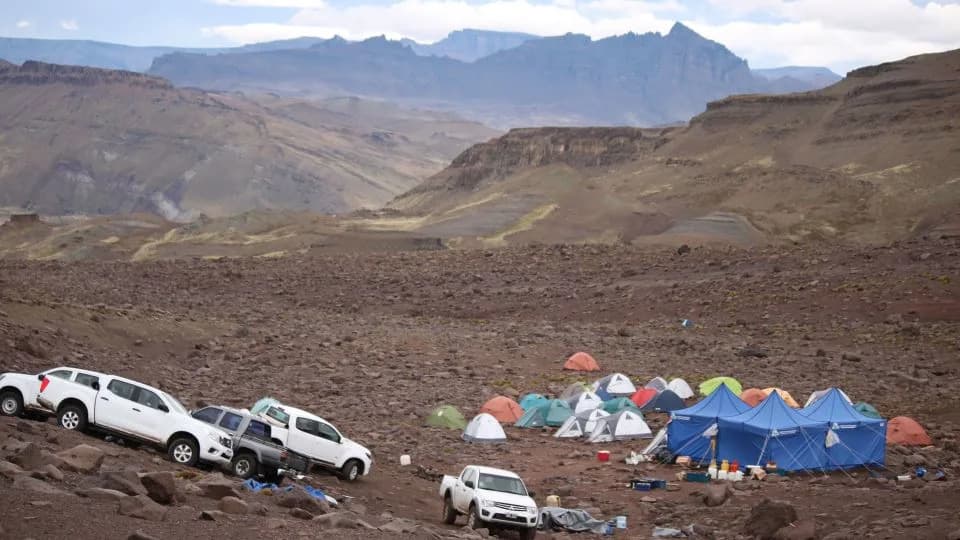
Researchers discovered the 255 eggshell fragments in the Chorrillo Formation in southern Argentina. - Fernando Novas
A trove of fossilized titanosaur eggshell fragments discovered in southern Argentina shows that some of the largest dinosaurs reproduced at high southern latitudes and used vegetation-filled mounds to incubate their eggs.
Discovery and Context
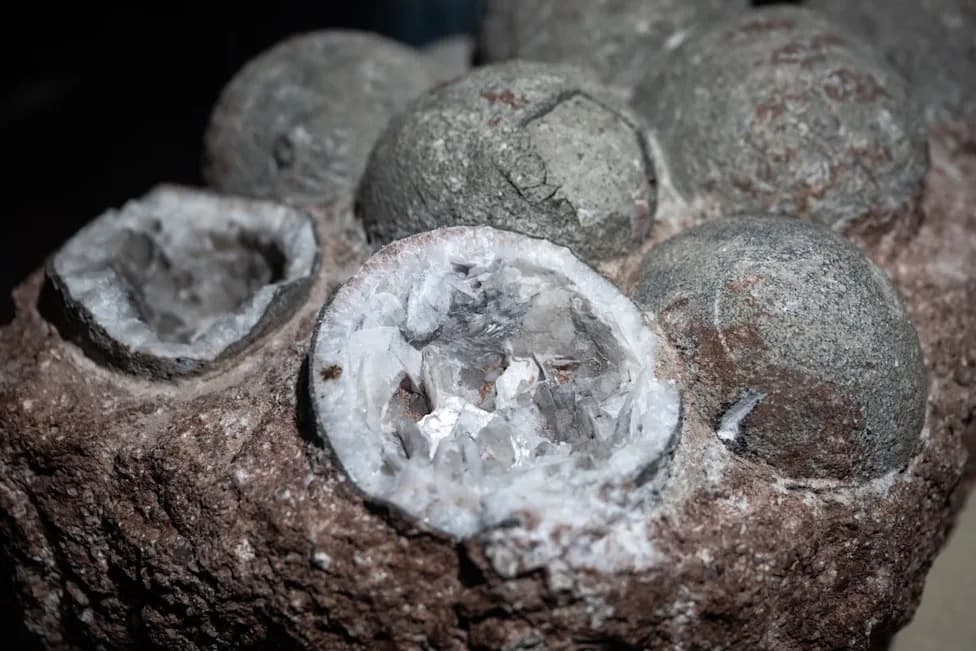
Researchers recovered 255 eggshell fragments from the Late Cretaceous Chorrillo Formation in southern Argentina during field seasons in 2020 and 2024. The fossils date to about 68 million years ago and indicate nesting at paleolatitudes of roughly 55–60°S — the highest-latitude nesting environment known for sauropods and the southernmost definitive dinosaur eggs discovered to date.
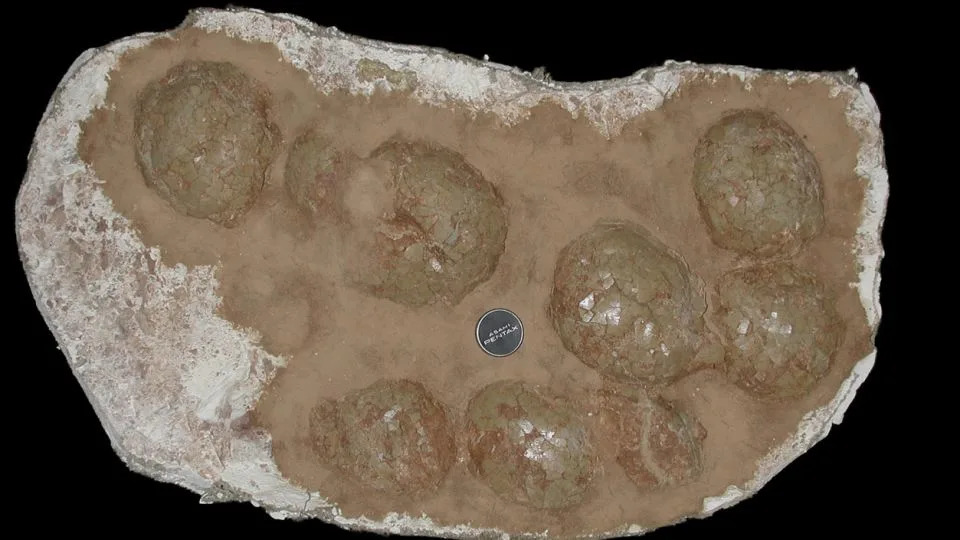
A clutch of fossilized titanosaur eggs. - Darla Zelenitsky
How Titanosaurs Kept Eggs Warm
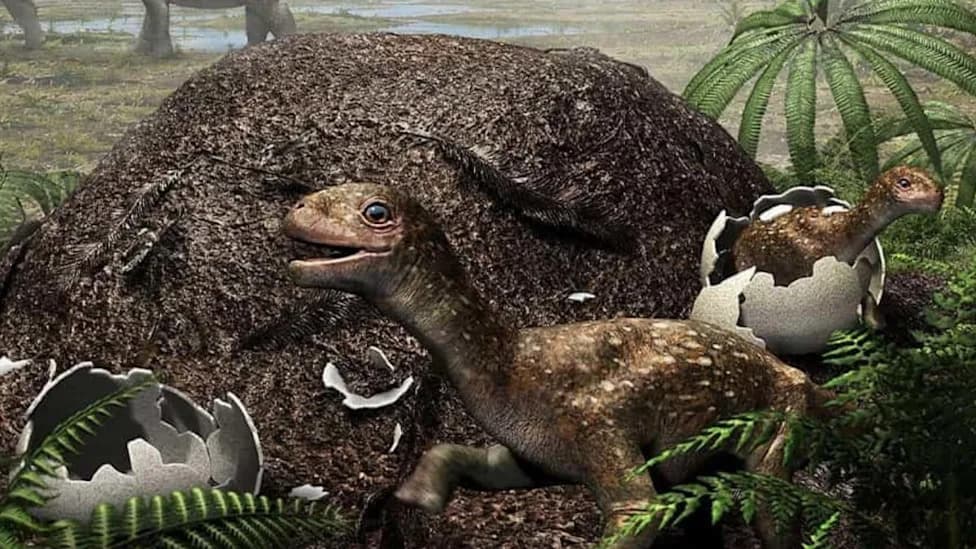
Lead researchers conclude that titanosaurs probably did not brood their eggs like birds. Their enormous body mass would have made sitting on nests impractical. Instead, the eggshells’ high porosity and the regional climate suggest the animals buried clutches in mound nests of soil and decaying vegetation. Heat generated by microbial decomposition would have provided steady incubation warmth while burial preserved moisture, preventing desiccation of the embryos.
“Their eggshells were very porous, which means if the eggs were left out in the open, they would lose water, dry out, and the embryos would die,” said Darla Zelenitsky, a senior author of the study. “Buried in sand, soil, or vegetation, the nest would stay humid or damp enough for the eggs to survive.”
Species and Egg Biology
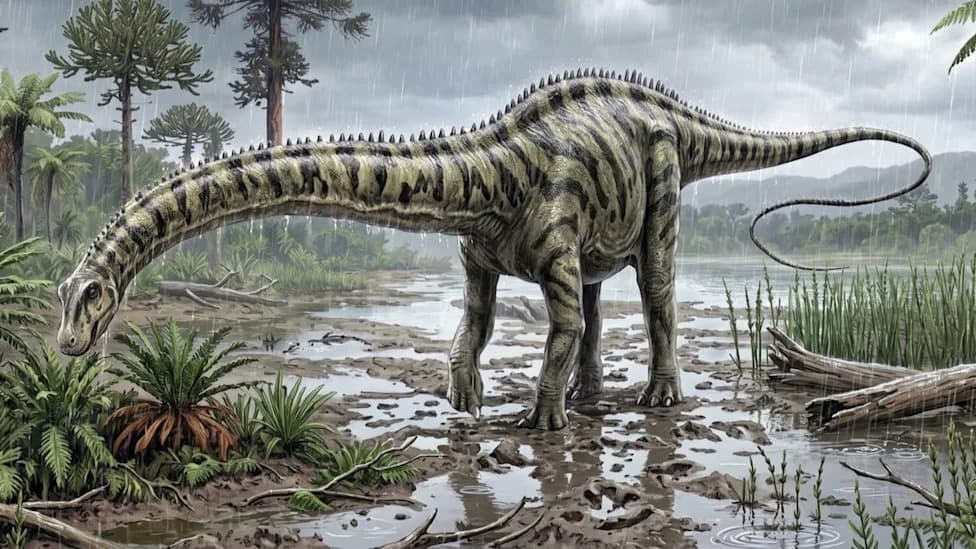
It is not yet certain which titanosaur species laid the Chorrillo eggs. Teeth recovered at the same site match colossosaurian titanosaurs — very large but not necessarily the absolute largest representatives of the group. Titanosaur eggs were tiny compared with adults (approximately 1/18,000 of adult volume): each egg probably contained about 4 liters of fluid, and hatchlings may have weighed around 4 kg (about 9 lb).
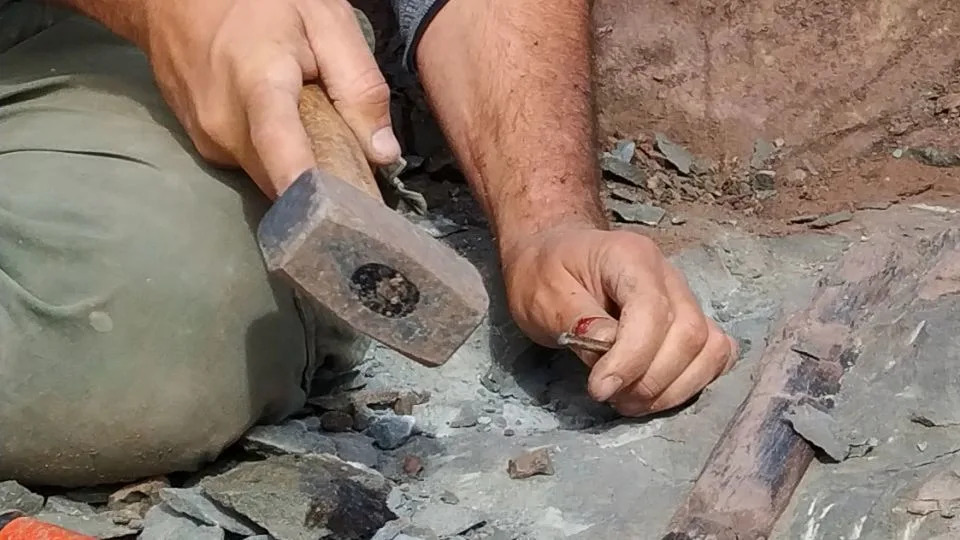
Paleontologists also excavated dinosaur bones at the site Chorrillo Formation in southern Argentina. - Fernando Novas
Implications
The find extends our understanding of titanosaur behavior and ecological flexibility. Because sauropod bones have been found as far south as Antarctica and southern Argentina, researchers have debated whether these giants only visited high latitudes during warm months. The presence of eggs at 55–60°S implies that titanosaurs either stayed in these regions year-round or at least nested there during the warm season, successfully completing their reproductive cycle far from the equator.
Independent experts called the discovery important. Steve Brusatte (University of Edinburgh) noted that some of Earth’s largest animals were hatching young at high latitudes, underscoring dinosaur adaptability. Paul Upchurch (UCL) observed that eggs at these latitudes suggest sauropods could reproduce successfully outside low-latitude warm zones.
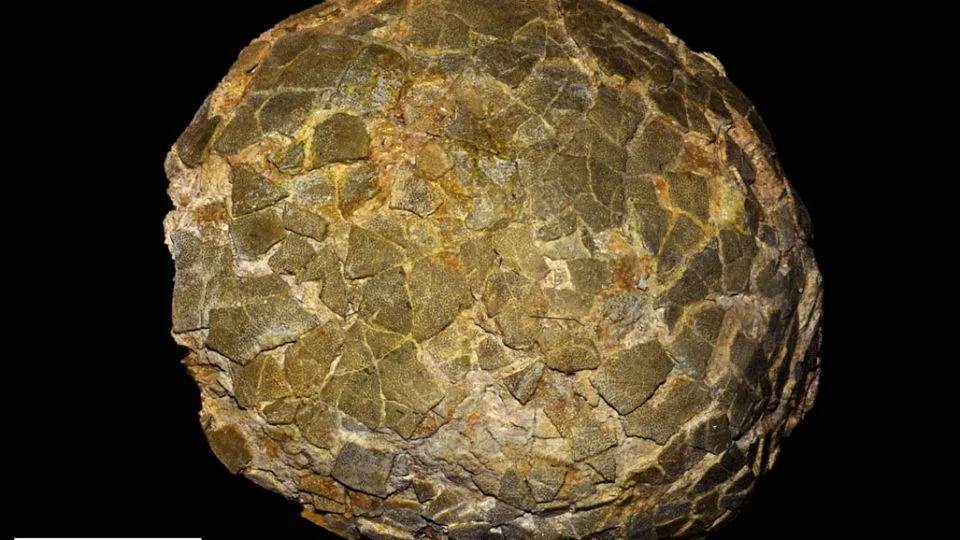
Dinosaur eggs are rare in the fossil record because the eggshell is relatively thin and fragile. - Darla Zelenitsky
Why Fossil Eggs Matter
Dinosaur eggs are rare in the fossil record because shells are thin and fragile and typically fragment into tiny pieces. Finding 255 well-dated fragments in one formation provides unusually strong evidence for nesting behavior and local reproductive ecology.
Study Source: The research was published in Royal Society Open Science and led by Darla Zelenitsky and colleagues.
Help us improve.